THE ADVENTURE COLLECTIVE® · Independent discovery and booking for outdoor travel

Fifteen days across Japan pairs high-speed mobility with slow, local encounters—from Tokyo’s neon streets to the cedar-lined Kiso Valley and Mount Fuji views. This small-group tour balances cultural highlights and natural sites with practical pacing and local insight.
Fifteen days across Japan pairs high-speed mobility with slow, local encounters—from Tokyo’s neon streets to the cedar-lined Kiso Valley and Mount Fuji views. This small-group tour balances cultural highlights and natural sites with practical pacing and local insight.
A rain-washed alley in Tokyo’s Asakusa, the paper lanterns slightly swinging, opens into a lane of vendors and the slow cadence of temple bells. From that urban pulse the itinerary unfurls—bullet trains cleaving the landscape, cedar forests leaning over the old Nakasendō, and Mount Fuji’s granite cone looming across Lake Kawaguchi like a patient challenge.
Verified experiences and guided adventures in the surrounding area.
Operated by japan local and fun experiences · Tokyo, Tokyo
A rain-washed alley in Tokyo’s Asakusa, the paper lanterns slightly swinging, opens into a lane of vendors and the slow cadence of temple bells. From that urban pulse the itinerary unfurls—bullet trains cleaving the landscape, cedar forests leaning over the old Nakasendō, and Mount Fuji’s granite cone looming across Lake Kawaguchi like a patient challenge.
The route stitches together eras: Edo-period post towns along the Kiso Valley that preserved the commerce routes between Kyoto and Edo; the timber-and-lacquer artistry of Kanazawa’s Kenroku-en gardens shaped by feudal daimyo; and Hiroshima’s postwar memorials that anchor modern Japan’s commitment to peace. Geology writes itself in Fuji’s volcanic slopes, the glacial-carved lakes beneath it, and the island limestone of Miyajima that lets its torii stand half-submerged at high tide.
Cultural rhythms matter here—temple etiquette, seasonal menus, and ryokan stays that favor quiet rituals over spectacle. Expect guided walks through Kyoto’s shrine-lined hills, a measured pace with single-night stays in three-star hotels, and a local guide who threads history and practical navigation through each day.
Practical guidance: move light, prioritize walking shoes and a compact daypack, and rely on the rail network and scheduled transfers. Carry cash for markets and smaller temples, reserve museum tickets ahead in high season, and plan quieter mornings for popular sites. Hydrate between trains, allow time for luggage handling, and remember that local rules—quiet carriage etiquette, removing shoes indoors—shape the flow of travel as much as the itinerary itself.
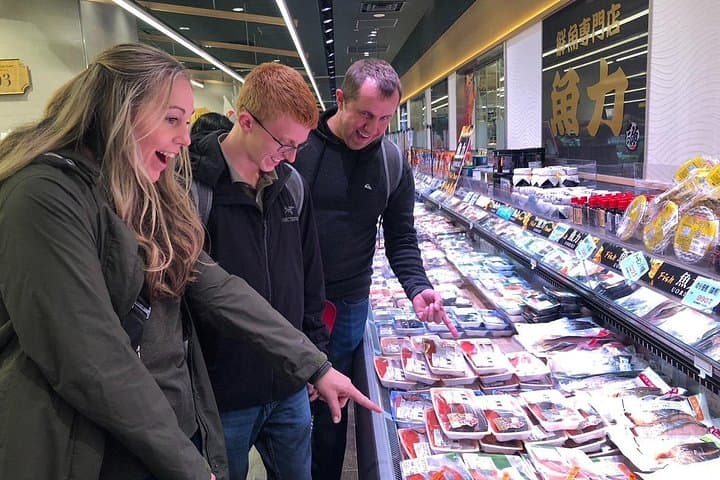
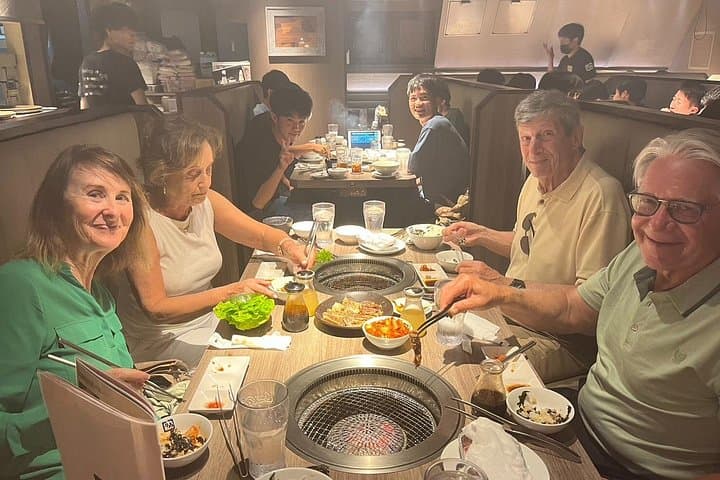
The tour includes 14 lunches; other meals are typically on your own so you can explore local restaurants and street food.
Visa requirements depend on your nationality—check Japan’s Ministry of Foreign Affairs site well before travel to confirm entry rules.
Yes—it's advertised as suitable for all fitness levels, with moderate daily walking and no technical demands; inform the operator of mobility needs.
Expect luggage transfers coordinated by the operator for overnight stays; keep essentials in a daypack for transit days.
japan local and fun experiences operates guided outdoor trips and adventures with an emphasis on safety, stewardship, and memorable experiences.

A rain-washed alley in Tokyo’s Asakusa, the paper lanterns slightly swinging, opens into a lane of vendors and the slow cadence of temple bells. From that urban pulse the itinerary unfurls—bullet trains cleaving the landscape, cedar forests leaning over the old Nakasendō, and Mount Fuji’s granite cone looming across Lake Kawaguchi like a patient challenge.
A rain-washed alley in Tokyo’s Asakusa, the paper lanterns slightly swinging, opens into a lane of vendors and the slow cadence of temple bells. From that urban pulse the itinerary unfurls—bullet trains cleaving the landscape, cedar forests leaning over the old Nakasendō, and Mount Fuji’s granite cone looming across Lake Kawaguchi like a patient challenge.
The route stitches together eras: Edo-period post towns along the Kiso Valley that preserved the commerce routes between Kyoto and Edo; the timber-and-lacquer artistry of Kanazawa’s Kenroku-en gardens shaped by feudal daimyo; and Hiroshima’s postwar memorials that anchor modern Japan’s commitment to peace. Geology writes itself in Fuji’s volcanic slopes, the glacial-carved lakes beneath it, and the island limestone of Miyajima that lets its torii stand half-submerged at high tide.
Cultural rhythms matter here—temple etiquette, seasonal menus, and ryokan stays that favor quiet rituals over spectacle. Expect guided walks through Kyoto’s shrine-lined hills, a measured pace with single-night stays in three-star hotels, and a local guide who threads history and practical navigation through each day.
Practical guidance: move light, prioritize walking shoes and a compact daypack, and rely on the rail network and scheduled transfers. Carry cash for markets and smaller temples, reserve museum tickets ahead in high season, and plan quieter mornings for popular sites. Hydrate between trains, allow time for luggage handling, and remember that local rules—quiet carriage etiquette, removing shoes indoors—shape the flow of travel as much as the itinerary itself.