THE ADVENTURE COLLECTIVE® · Independent discovery and booking for outdoor travel

Visit two UNESCO-protected Mayan sites in one private two-day route from San Salvador. This guided trip pairs the exceptional village preservation of Joya de Cerén with Copán’s monumental stelae, tunnels and Sculpture Museum.
Visit two UNESCO-protected Mayan sites in one private two-day route from San Salvador. This guided trip pairs the exceptional village preservation of Joya de Cerén with Copán’s monumental stelae, tunnels and Sculpture Museum.
You step off the van into a cool courtyard of colonial Copán Ruinas after a day’s drive through coffee country; dawn over Joya de Cerén felt different — low canopy shade, compacted ash underfoot and the quiet of a Mayan village frozen in time.
Verified experiences and guided adventures in the surrounding area.
Operated by Pure Travel El Salvador · Copán Ruinas, Copán
You step off the van into a cool courtyard of colonial Copán Ruinas after a day’s drive through coffee country; dawn over Joya de Cerén felt different — low canopy shade, compacted ash underfoot and the quiet of a Mayan village frozen in time.
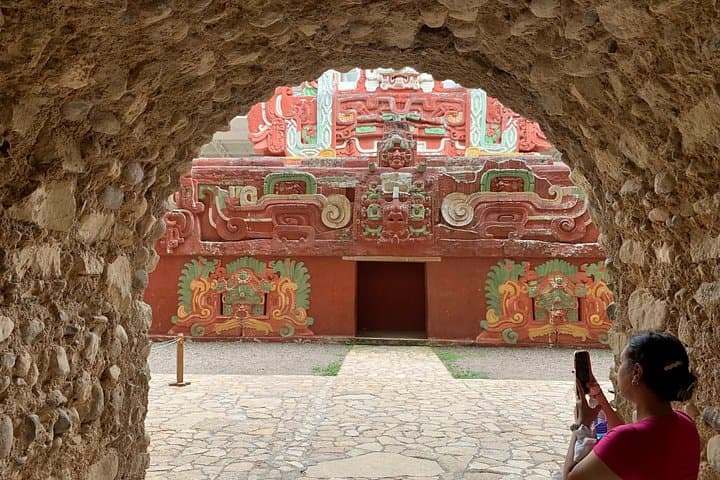
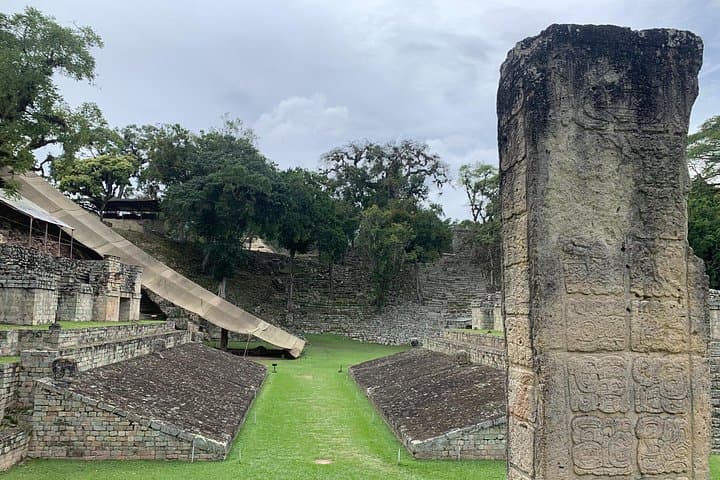
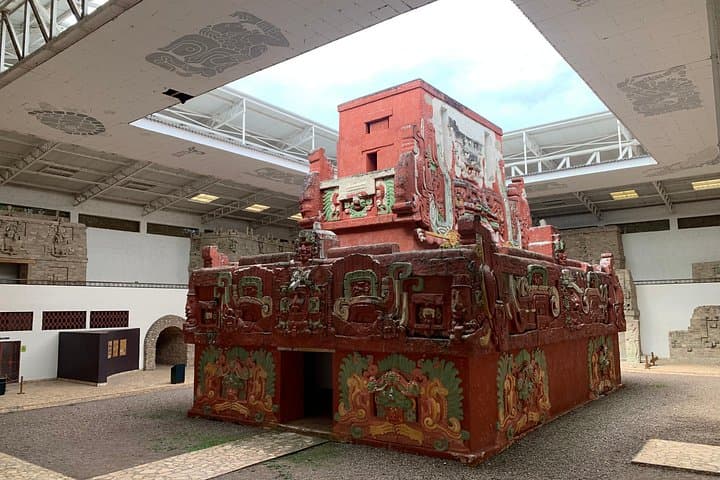
Joya de Cerén is unique: buried by volcanic ash around AD 600, its thatch houses and hearths survive in exceptional detail and are the only UNESCO Cultural site in El Salvador. Copán, across the border in Honduras, is a highland city of carved stelae, a hieroglyphic stairway and monumental plazas that mark the peak of Classic Maya artistry. The tour stitches those contrasts together — rural preservation and sculpted stone — and includes access to Copán’s rarely opened tunnels and the Sculpture Museum beside the main plaza.
Expect bilingual interpretation, a border crossing with guidance from your guide, and one night in town (typical mid-range hotel). Terrain is mostly flat walks, packed-earth paths at Joya and uneven stone platforms and stepped pyramids at Copán; stair climbs and some sun exposure are likely. Practical notes: bring passport and any required visas, strong walking shoes, sun protection and mosquito repellent, and allow time for customs and a relaxed pace at the sites. Early starts avoid heat and crowds; the Sculpture Museum adds context to the reliefs you’ll see onsite. This route rewards curiosity: the material culture is tactile, the geology visible, and the storytelling immediate — archaeological layers that challenge and inform in equal measure.
Yes — a valid passport is required to enter Honduras from El Salvador; visa requirements depend on your nationality so check consular guidance before travel.
Children who can manage longer drives and walking are common on this route; it’s not recommended for travelers with serious mobility limitations because of uneven ground and pyramid steps.
Yes — the tour includes entrance to Joya de Cerén, Copán main site, the tunnels and the Sculpture Museum as noted in the itinerary.
Honduran lempira is the local currency; some vendors accept USD in Copán town, but small change and local currency are useful for markets and transport.
Pure Travel El Salvador operates guided outdoor trips and adventures with an emphasis on safety, stewardship, and memorable experiences.
You step off the van into a cool courtyard of colonial Copán Ruinas after a day’s drive through coffee country; dawn over Joya de Cerén felt different — low canopy shade, compacted ash underfoot and the quiet of a Mayan village frozen in time.
You step off the van into a cool courtyard of colonial Copán Ruinas after a day’s drive through coffee country; dawn over Joya de Cerén felt different — low canopy shade, compacted ash underfoot and the quiet of a Mayan village frozen in time.
Joya de Cerén is unique: buried by volcanic ash around AD 600, its thatch houses and hearths survive in exceptional detail and are the only UNESCO Cultural site in El Salvador. Copán, across the border in Honduras, is a highland city of carved stelae, a hieroglyphic stairway and monumental plazas that mark the peak of Classic Maya artistry. The tour stitches those contrasts together — rural preservation and sculpted stone — and includes access to Copán’s rarely opened tunnels and the Sculpture Museum beside the main plaza.
Expect bilingual interpretation, a border crossing with guidance from your guide, and one night in town (typical mid-range hotel). Terrain is mostly flat walks, packed-earth paths at Joya and uneven stone platforms and stepped pyramids at Copán; stair climbs and some sun exposure are likely. Practical notes: bring passport and any required visas, strong walking shoes, sun protection and mosquito repellent, and allow time for customs and a relaxed pace at the sites. Early starts avoid heat and crowds; the Sculpture Museum adds context to the reliefs you’ll see onsite. This route rewards curiosity: the material culture is tactile, the geology visible, and the storytelling immediate — archaeological layers that challenge and inform in equal measure.