THE ADVENTURE COLLECTIVE® · Independent discovery and booking for outdoor travel

Spend a day exploring Joya de Cerén—the so-called Pompeii of the Americas—then follow the mountain road through Nahuizalco, Juayua, Apaneca and Ataco. Expect archaeological insight, coffee tastings and colorful colonial streets on this full-day private tour.
Spend a day exploring Joya de Cerén—the so-called Pompeii of the Americas—then follow the mountain road through Nahuizalco, Juayua, Apaneca and Ataco. Expect archaeological insight, coffee tastings and colorful colonial streets on this full-day private tour.
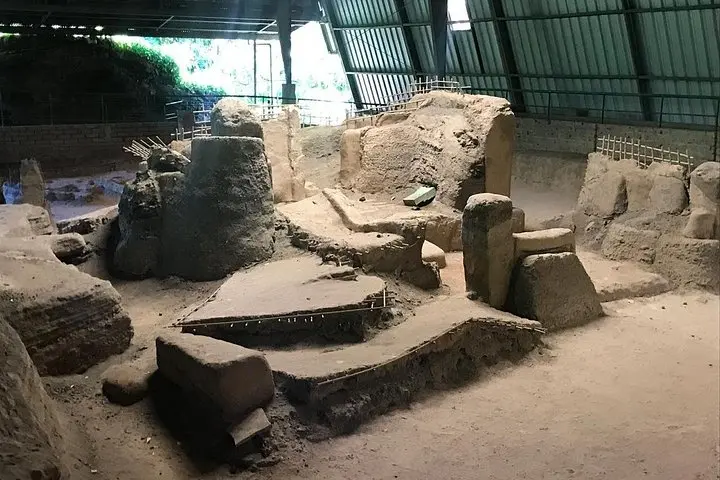
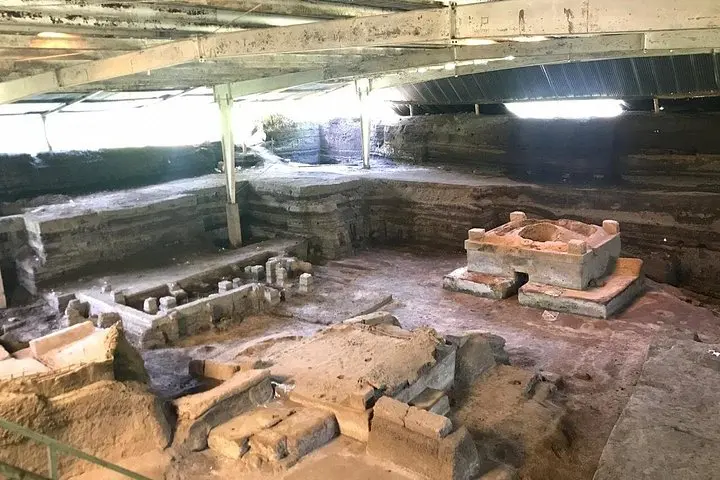
You step off the air-conditioned van into a quiet archaeological field where roofs and low walls rise like memory from the earth—Joya de Cerén’s buried houses still refuse to be silent.
Verified experiences and guided adventures in the surrounding area.
Operated by EC TOURS EL SALVADOR · San Salvador, San Salvador
You step off the air-conditioned van into a quiet archaeological field where roofs and low walls rise like memory from the earth—Joya de Cerén’s buried houses still refuse to be silent.
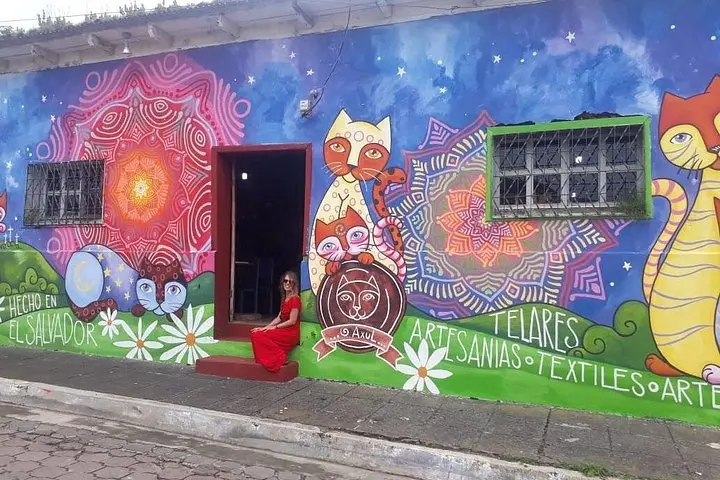
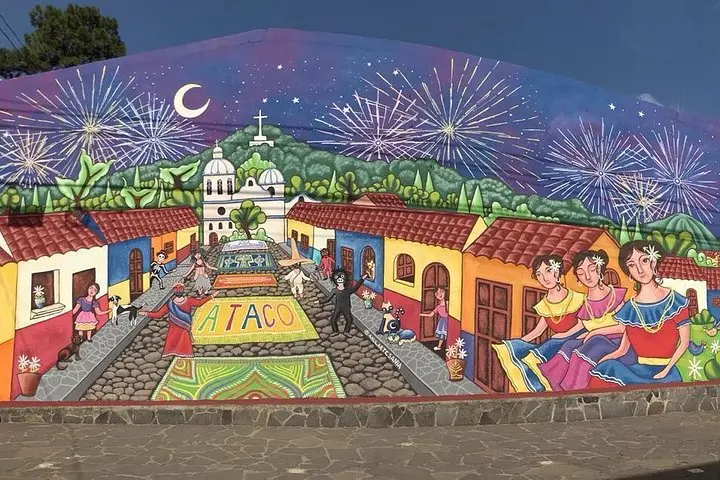
The day moves from that living slice of pre-Hispanic life to mountain roads that climb into the Ruta de Las Flores: Nahuizalco’s woven market stalls, Juayua’s weekend food festival, a coffee tasting at Entre Nubes in Apaneca, and Ataco’s mural-lined cobblestones. The region’s geology is obvious—volcanic ridges and fertile soils gave rise to the ash-buried village and the highland coffee farms that define local livelihoods.
History here reads on multiple layers: Joya de Cerén, preserved under volcanic ash and listed as a UNESCO site, offers a rare look at everyday life before Spanish contact; the Ruta de Las Flores towns reflect indigenous roots, colonial urban patterns and a coffee-era economy that reshaped land use and culture.
Practical guidance: this is an eight-hour, private day tour with door-to-door transport and stops for walking through markets, short archaeological paths and light uphill stretches to coffee farms. Wear sturdy shoes for cobbles and archaeological trails, bring sun protection and cash for market purchases, and plan for sudden showers during the rainy season. Respect the archaeological site rules—no food, no touching exposed structures—and save room for local specialties: roasted coffee, pupusas and weekend-street-food plates.
Expect an active cultural day rather than difficult hiking; the terrain is short walks, uneven stones and village streets punctuated by expansive highland views and the persistent scent of coffee that seems to push you forward.
The tour lists a visit but does not explicitly list entrance fees; confirm with the operator before travel as site admission policies can change.
Most bookings depart from San Salvador with private transportation; confirm pickup location when booking.
The tour is rated easy and suitable for most ages; infants must sit on an adult’s lap in the vehicle—bring sun protection and snacks for young children.
A coffee tasting at Entre Nubes is typically part of the itinerary, but confirm whether lunch or specific food purchases are included in your booking details.
EC TOURS EL SALVADOR operates guided outdoor trips and adventures with an emphasis on safety, stewardship, and memorable experiences.
You step off the air-conditioned van into a quiet archaeological field where roofs and low walls rise like memory from the earth—Joya de Cerén’s buried houses still refuse to be silent.
You step off the air-conditioned van into a quiet archaeological field where roofs and low walls rise like memory from the earth—Joya de Cerén’s buried houses still refuse to be silent.
The day moves from that living slice of pre-Hispanic life to mountain roads that climb into the Ruta de Las Flores: Nahuizalco’s woven market stalls, Juayua’s weekend food festival, a coffee tasting at Entre Nubes in Apaneca, and Ataco’s mural-lined cobblestones. The region’s geology is obvious—volcanic ridges and fertile soils gave rise to the ash-buried village and the highland coffee farms that define local livelihoods.
History here reads on multiple layers: Joya de Cerén, preserved under volcanic ash and listed as a UNESCO site, offers a rare look at everyday life before Spanish contact; the Ruta de Las Flores towns reflect indigenous roots, colonial urban patterns and a coffee-era economy that reshaped land use and culture.
Practical guidance: this is an eight-hour, private day tour with door-to-door transport and stops for walking through markets, short archaeological paths and light uphill stretches to coffee farms. Wear sturdy shoes for cobbles and archaeological trails, bring sun protection and cash for market purchases, and plan for sudden showers during the rainy season. Respect the archaeological site rules—no food, no touching exposed structures—and save room for local specialties: roasted coffee, pupusas and weekend-street-food plates.
Expect an active cultural day rather than difficult hiking; the terrain is short walks, uneven stones and village streets punctuated by expansive highland views and the persistent scent of coffee that seems to push you forward.