THE ADVENTURE COLLECTIVE® · Independent discovery and booking for outdoor travel

Walk the buried neighborhoods and ceremonial plazas of Joya de Cerén and San Andrés—two connected archaeological sites that reveal daily life and ritual in pre-Columbian El Salvador. This private 3–4 hour route pairs volcanic geology with living cultural insights.
Walk the buried neighborhoods and ceremonial plazas of Joya de Cerén and San Andrés—two connected archaeological sites that reveal daily life and ritual in pre-Columbian El Salvador. This private 3–4 hour route pairs volcanic geology with living cultural insights.
The morning light uncovers low stone walls and the sharp edges of broken pottery as you step from an air-conditioned van onto dusty paths—volcanic landscapes still shaping the stories on display.
Verified experiences and guided adventures in the surrounding area.
Operated by Alfarito Tours - Transporte al aeropuerto · San Salvador, La Libertad
The morning light uncovers low stone walls and the sharp edges of broken pottery as you step from an air-conditioned van onto dusty paths—volcanic landscapes still shaping the stories on display.
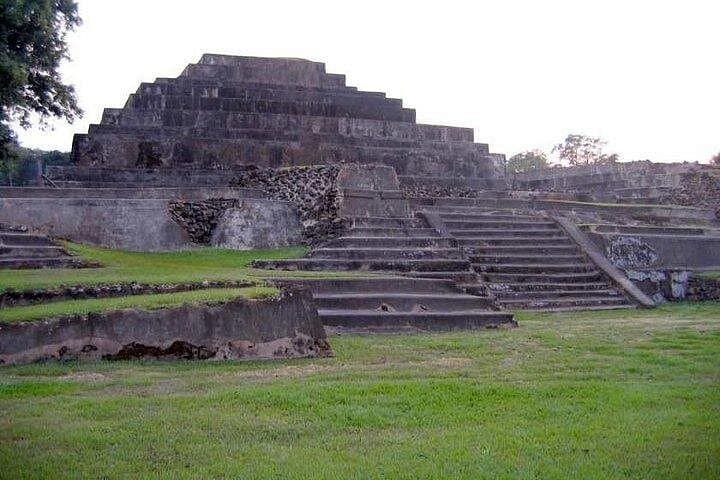
At Joya de Cerén you walk through the Pompeii of the Americas: thatch-roofed homes, preserved hearths and storage pits frozen beneath volcanic ash. A short drive away, San Andrés offers larger ceremonial mounds and plaza complexes where pre-Columbian builders organized ritual life and agriculture. Together they trace everyday and civic life in the ancient Maya world in ways that museums alone cannot.
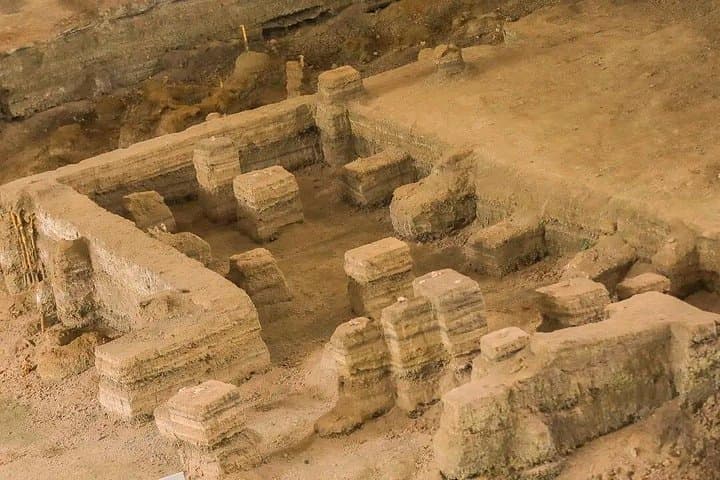
Geology writes itself here—layers of tephra and fine ash sealed households and tools, which archaeologists have carefully exposed. Culturally, these sites reveal agricultural systems, craft production and ritual practice; local communities nearby still cultivate corn and beans in continuity with that past.
Plan for shade and mid-morning timing: most guided schedules keep nights and hottest afternoons for travel. The tour runs about 3–4 hours with private transport and included entrance fees; paths are short but unshaded and uneven. Bring sun protection, refillable water and comfortable closed shoes; cameras are welcome but avoid touching artifacts.
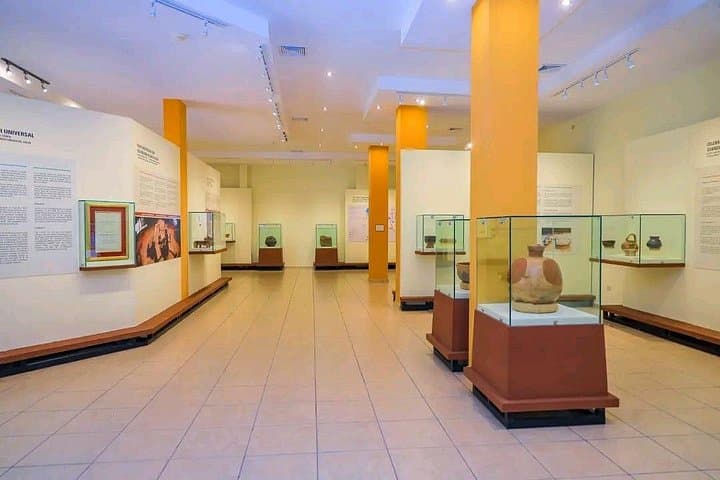
Practical details: the sites have interpretive signs and a small visitor area, but services are limited—expect basic facilities and short walks between exhibits. Consider a guide for context: the narrative of daily life, eruption chronology and regional trade patterns becomes clear when archaeology is paired with local knowledge.
Typical stops are about 45–60 minutes at Joya de Cerén and around 45–60 minutes at San Andrés within a 3–4 hour tour including transport.
Some areas have flat, maintained paths, but many exhibits involve uneven ground; stroller access is possible in limited sections and assistance may be required.
Yes—photography is permitted for personal use, but avoid touching structures or excavation areas and follow guide instructions.
Facilities are basic: small visitor areas and restrooms near the entrances, but do not expect extensive services or food vendors at the sites.
Alfarito Tours - Transporte al aeropuerto operates guided outdoor trips and adventures with an emphasis on safety, stewardship, and memorable experiences.
The morning light uncovers low stone walls and the sharp edges of broken pottery as you step from an air-conditioned van onto dusty paths—volcanic landscapes still shaping the stories on display.
The morning light uncovers low stone walls and the sharp edges of broken pottery as you step from an air-conditioned van onto dusty paths—volcanic landscapes still shaping the stories on display.
At Joya de Cerén you walk through the Pompeii of the Americas: thatch-roofed homes, preserved hearths and storage pits frozen beneath volcanic ash. A short drive away, San Andrés offers larger ceremonial mounds and plaza complexes where pre-Columbian builders organized ritual life and agriculture. Together they trace everyday and civic life in the ancient Maya world in ways that museums alone cannot.
Geology writes itself here—layers of tephra and fine ash sealed households and tools, which archaeologists have carefully exposed. Culturally, these sites reveal agricultural systems, craft production and ritual practice; local communities nearby still cultivate corn and beans in continuity with that past.
Plan for shade and mid-morning timing: most guided schedules keep nights and hottest afternoons for travel. The tour runs about 3–4 hours with private transport and included entrance fees; paths are short but unshaded and uneven. Bring sun protection, refillable water and comfortable closed shoes; cameras are welcome but avoid touching artifacts.
Practical details: the sites have interpretive signs and a small visitor area, but services are limited—expect basic facilities and short walks between exhibits. Consider a guide for context: the narrative of daily life, eruption chronology and regional trade patterns becomes clear when archaeology is paired with local knowledge.