THE ADVENTURE COLLECTIVE® · Independent discovery and booking for outdoor travel

Cover Kanazawa’s highlights in a single, relaxed day by electric bike: Kenrokuen’s gardens, samurai lanes, geisha teahouses, and Omicho Market. This guided tour blends cultural stops, a tea ceremony, and local stories with easy cruising between sites.
Cover Kanazawa’s highlights in a single, relaxed day by electric bike: Kenrokuen’s gardens, samurai lanes, geisha teahouses, and Omicho Market. This guided tour blends cultural stops, a tea ceremony, and local stories with easy cruising between sites.
You roll out from Kanazawa Station beneath the sculpted Tsuzumi Gate, electric motor humming as the city opens around you.
Verified experiences and guided adventures in the surrounding area.
Operated by Beyond Kanazawa · Kanazawa, Ishikawa
You roll out from Kanazawa Station beneath the sculpted Tsuzumi Gate, electric motor humming as the city opens around you.
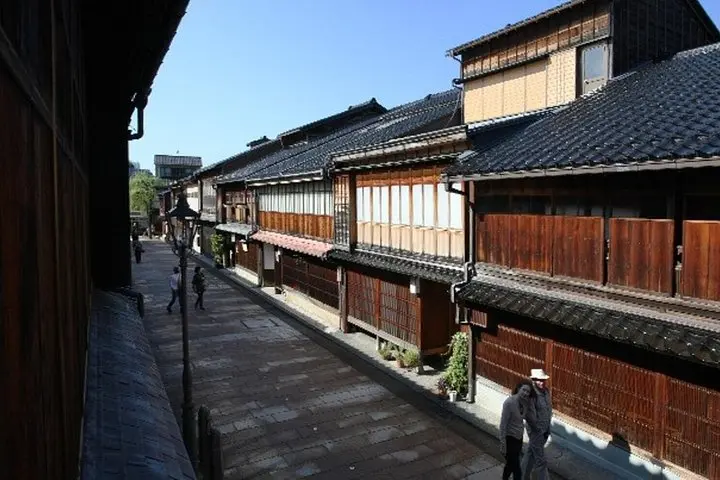
The route threads through lacquered teahouse alleys, skirts Kenrokuen’s sweeping ponds, and pauses where samurai once paced their earthen lanes. The pace is deliberate: the e-bike takes the strain, leaving attention for details — the quiet riffle of a garden stream daring you to look closer, the wooden latticework shading a geisha corridor, the market’s immediate clatter and scent of fresh sea urchin.
Kanazawa’s story is visible at every turn. This was the Kaga Domain’s cultural capital, shaped by samurai planning and refined by artisans who made gold leaf and silk. Geology matters here too: the city sits on coastal plains formed by sediment from the nearby Sea of Japan, carving rivers that fed rice paddies and later fed Omicho Market’s fish stalls.
A guide-led tea ceremony offers cultural context between stops — a quiet counterpoint to urban motion — and a visit to a restored samurai residence reveals construction techniques and living customs preserved for centuries.
Practical guidance: expect eight hours with multiple short walks; bring a charged phone and compact power bank, wear closed-toe shoes, and obey local traffic rules (ride left). Tours run rain-or-shine but may cancel for heavy weather; confirm in advance. The e-bike opens more ground than a walking tour while keeping the day relaxed—ideal for travelers who want cultural depth without constant exertion.
No advanced skills are needed; basic bike handling and comfort riding in traffic are sufficient thanks to the e-bike’s assist.
E-bikes are not recommended for riders under 145 cm; check with the operator about family-friendly alternatives.
Tours can be canceled for heavy rain, strong winds, or unsafe road conditions—operators typically notify guests in advance with refund or reschedule options.
The itinerary lists some admission-included stops; confirm specific entry fees with the operator when booking as policies can vary.
Beyond Kanazawa operates guided outdoor trips and adventures with an emphasis on safety, stewardship, and memorable experiences.
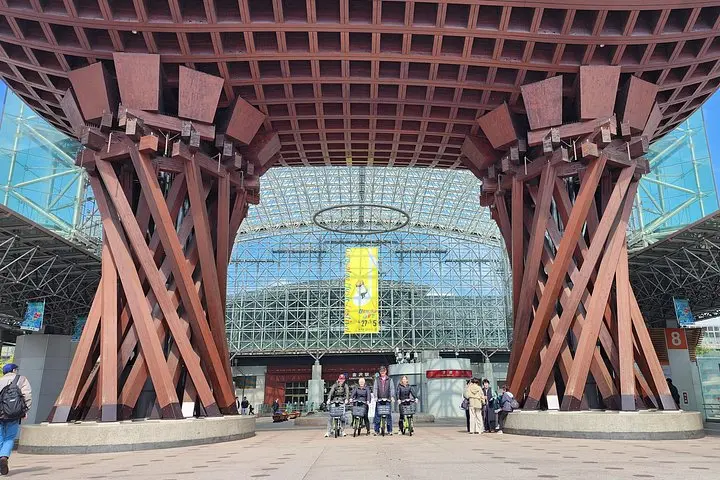

You roll out from Kanazawa Station beneath the sculpted Tsuzumi Gate, electric motor humming as the city opens around you.
You roll out from Kanazawa Station beneath the sculpted Tsuzumi Gate, electric motor humming as the city opens around you.
The route threads through lacquered teahouse alleys, skirts Kenrokuen’s sweeping ponds, and pauses where samurai once paced their earthen lanes. The pace is deliberate: the e-bike takes the strain, leaving attention for details — the quiet riffle of a garden stream daring you to look closer, the wooden latticework shading a geisha corridor, the market’s immediate clatter and scent of fresh sea urchin.
Kanazawa’s story is visible at every turn. This was the Kaga Domain’s cultural capital, shaped by samurai planning and refined by artisans who made gold leaf and silk. Geology matters here too: the city sits on coastal plains formed by sediment from the nearby Sea of Japan, carving rivers that fed rice paddies and later fed Omicho Market’s fish stalls.
A guide-led tea ceremony offers cultural context between stops — a quiet counterpoint to urban motion — and a visit to a restored samurai residence reveals construction techniques and living customs preserved for centuries.
Practical guidance: expect eight hours with multiple short walks; bring a charged phone and compact power bank, wear closed-toe shoes, and obey local traffic rules (ride left). Tours run rain-or-shine but may cancel for heavy weather; confirm in advance. The e-bike opens more ground than a walking tour while keeping the day relaxed—ideal for travelers who want cultural depth without constant exertion.