THE ADVENTURE COLLECTIVE® · Independent discovery and booking for outdoor travel

Visit three UNESCO-listed Durbar Squares in one private day: Kathmandu’s royal courtyards, Patan’s bronze and stone artistry, and Bhaktapur’s potters and pagodas. Expect short walks, historical depth, and practical tips for temple visits.
Visit three UNESCO-listed Durbar Squares in one private day: Kathmandu’s royal courtyards, Patan’s bronze and stone artistry, and Bhaktapur’s potters and pagodas. Expect short walks, historical depth, and practical tips for temple visits.
Stand in the open courtyard of Kathmandu Durbar Square and feel the city press close: stone temples rise like pages of history, prayer flags flutter, and the clack of markets threads through temple bells.
Verified experiences and guided adventures in the surrounding area.
Operated by Himalayan Recreation Treks & Expedition Pvt.Ltd · Kathmandu, Bagmati Province
Stand in the open courtyard of Kathmandu Durbar Square and feel the city press close: stone temples rise like pages of history, prayer flags flutter, and the clack of markets threads through temple bells.
This private full-day tour loops three of the valley's major Durbar Squares—Kathmandu (Basantapur), Patan (Lalitpur) and Bhaktapur—each a concentrated pageant of Newar architecture, wood-carved windows and living ritual. The squares date from the Malla period (12th–18th centuries) and contain palaces, courtyards and temples that survived centuries of urban life and, in places, seismic damage and careful restoration.
Geology and urban form collide here: the valley's river terraces provided buildable ground, while local brick, timber and stone give the plazas their warm palette. Expect to see Kumari Ghar (the living goddess residence), Patan's Krishna Mandir and Bhaktapur’s 55-Window Palace and Nyatapola Temple, plus artisan alleys where bronzework and pottery continue by traditional methods.
Practical notes: the private vehicle and guide cover transfers between sites in a 6-hour window; tour pacing includes short walks and stair climbs. Wear modest, comfortable clothes for temple entry, sturdy shoes for uneven flagstone, and plan for cash for small shop purchases and museum entry fees. Mid-mornings and late afternoons offer softer light for photos and fewer crowds.
Tips: keep water on hand, be prepared to remove shoes at shrines, and leave large backpacks at the vehicle. With a guide, the day becomes both orientation and intimate encounter—history that moves, people who keep it alive.
The itinerary notes museum visits but admission is often not included—confirm with the operator or carry local currency for short-notice fees.
Yes; the tour is rated easy with vehicle transfers between sites, but expect walking and stairs—request a slower pace if needed.
You can view the Kumari Ghar from outside and sometimes see the Kumari at specific times; access inside is restricted and depends on local schedules and ceremonies.
Walking within each square is typically under 1–2 km of short walks; transfers between cities are by air-conditioned vehicle provided on the tour.
Himalayan Recreation Treks & Expedition Pvt.Ltd operates guided outdoor trips and adventures with an emphasis on safety, stewardship, and memorable experiences.
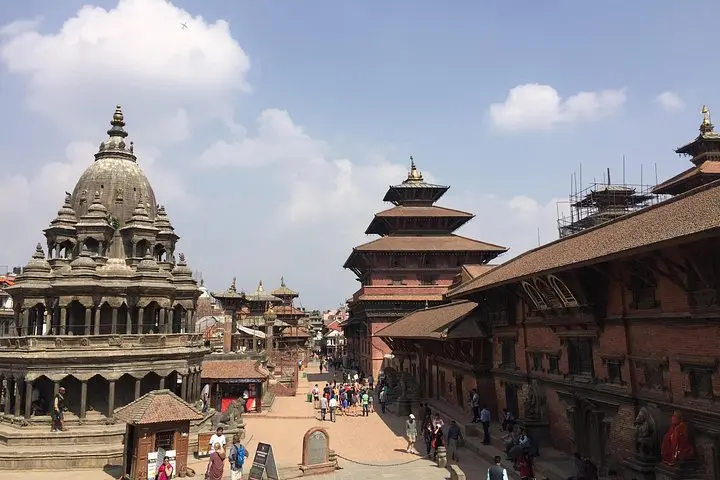
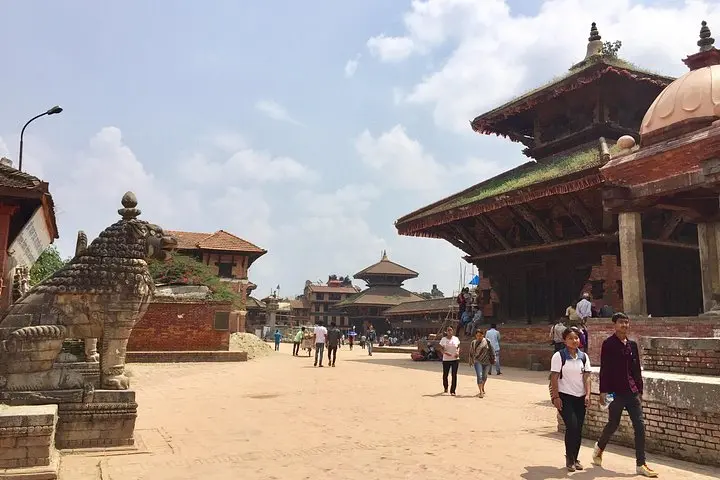
Stand in the open courtyard of Kathmandu Durbar Square and feel the city press close: stone temples rise like pages of history, prayer flags flutter, and the clack of markets threads through temple bells.
Stand in the open courtyard of Kathmandu Durbar Square and feel the city press close: stone temples rise like pages of history, prayer flags flutter, and the clack of markets threads through temple bells.
This private full-day tour loops three of the valley's major Durbar Squares—Kathmandu (Basantapur), Patan (Lalitpur) and Bhaktapur—each a concentrated pageant of Newar architecture, wood-carved windows and living ritual. The squares date from the Malla period (12th–18th centuries) and contain palaces, courtyards and temples that survived centuries of urban life and, in places, seismic damage and careful restoration.
Geology and urban form collide here: the valley's river terraces provided buildable ground, while local brick, timber and stone give the plazas their warm palette. Expect to see Kumari Ghar (the living goddess residence), Patan's Krishna Mandir and Bhaktapur’s 55-Window Palace and Nyatapola Temple, plus artisan alleys where bronzework and pottery continue by traditional methods.
Practical notes: the private vehicle and guide cover transfers between sites in a 6-hour window; tour pacing includes short walks and stair climbs. Wear modest, comfortable clothes for temple entry, sturdy shoes for uneven flagstone, and plan for cash for small shop purchases and museum entry fees. Mid-mornings and late afternoons offer softer light for photos and fewer crowds.
Tips: keep water on hand, be prepared to remove shoes at shrines, and leave large backpacks at the vehicle. With a guide, the day becomes both orientation and intimate encounter—history that moves, people who keep it alive.