THE ADVENTURE COLLECTIVE® · Independent discovery and booking for outdoor travel

See Kathmandu’s seven UNESCO sites in a private 1–2 day loop that pairs expert local narration with convenient transport. This compact cultural circuit covers Swayambhunath, Boudhanath, Pashupatinath, Kathmandu, Patan and Bhaktapur durbar squares, plus Changunarayan.
See Kathmandu’s seven UNESCO sites in a private 1–2 day loop that pairs expert local narration with convenient transport. This compact cultural circuit covers Swayambhunath, Boudhanath, Pashupatinath, Kathmandu, Patan and Bhaktapur durbar squares, plus Changunarayan.
A slick morning light spills across carved brick and timber as the group moves from lane to lane in central Kathmandu — prayer flags snap above narrow streets, a river of people and scent pushing past ancient courtyards. Over two days this private tour strings together seven UNESCO sites: Swayambhunath’s hilltop stupa, Kathmandu and Patan Durbar Squares, Boudhanath’s great mandala, the holy banks of Pashupatinath, Bhaktapur’s potters and palaces, and the 7th-century Changunarayan temple beyond the valley rim.
Verified experiences and guided adventures in the surrounding area.
Operated by Attractive Travels and Tours Pvt. Ltd. · Kathmandu, Bagmati Province
A slick morning light spills across carved brick and timber as the group moves from lane to lane in central Kathmandu — prayer flags snap above narrow streets, a river of people and scent pushing past ancient courtyards. Over two days this private tour strings together seven UNESCO sites: Swayambhunath’s hilltop stupa, Kathmandu and Patan Durbar Squares, Boudhanath’s great mandala, the holy banks of Pashupatinath, Bhaktapur’s potters and palaces, and the 7th-century Changunarayan temple beyond the valley rim.
These sites map the history of the Newar civilization and the Himalayan crossroads: layered rebuilds of Hindu and Buddhist architecture, Vajrayana iconography, and earthquake-restored brickwork that reveal centuries of craftsmanship. Geologically, the valley sits on an alluvial basin ringed by ridge lines, which concentrated settlements and trade routes and shaped the compact urban fabric you’ll walk.
Expect lots of stairs, narrow alleys, and temple platforms; the Swayambhu climb rewards you with sweeping valley views, while Boudhanath offers slow circumambulations beneath watchful eyes and yak-butter lamps. Local guides explain rituals — kumari worship, cremation rites along the Bagmati — and point out woodcarvings and hidden courtyards most visitors miss.
Practically: bring comfortable walking shoes, a refillable water bottle, and a light rain layer; mornings are best for photography and fewer crowds. Admissions for some monuments are separate; the private car included in this tour minimizes transit time and maximizes daylight for exploring the squares and side streets where the daily life of Kathmandu unfolds.
Admissions are typically not included in the base price; entrance fees for sites like some durbar squares and museums are paid on-site.
Yes — the operator indicates stroller access and infant seats are available, though some temples have stairs and uneven ground to navigate.
Expect several hours of walking each day and multiple short stair climbs, particularly at Swayambhunath and temple complexes; pacing is gentle but continuous.
Yes — the provider notes the circuit can be condensed into a single long day with private transport, though two days allow a more relaxed pace and time for museums.
Attractive Travels and Tours Pvt. Ltd. operates guided outdoor trips and adventures with an emphasis on safety, stewardship, and memorable experiences.
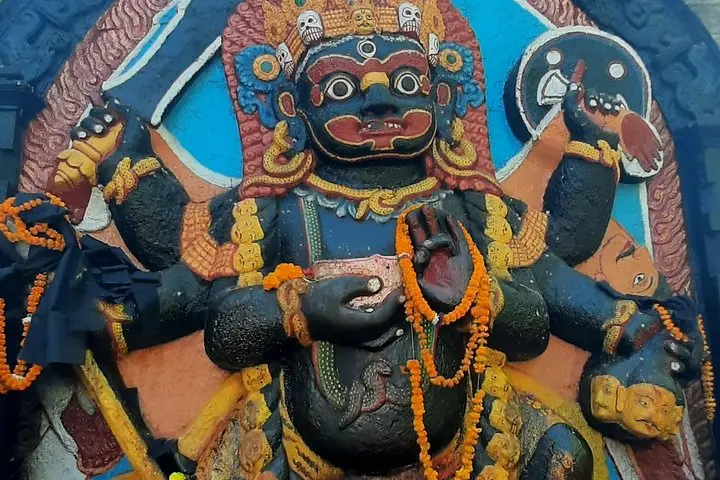
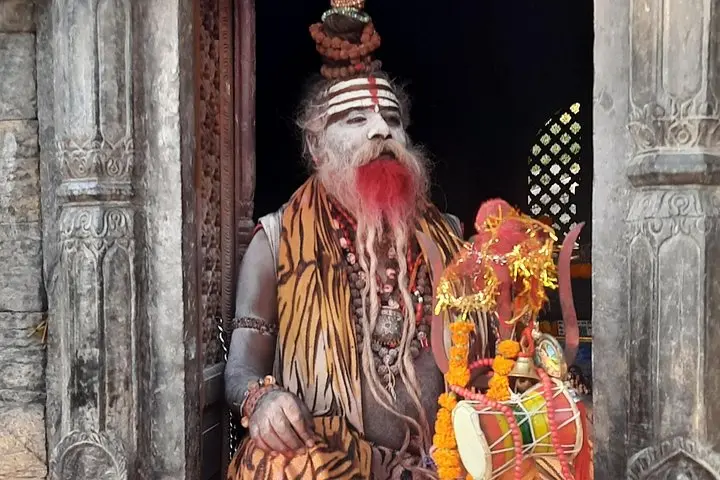
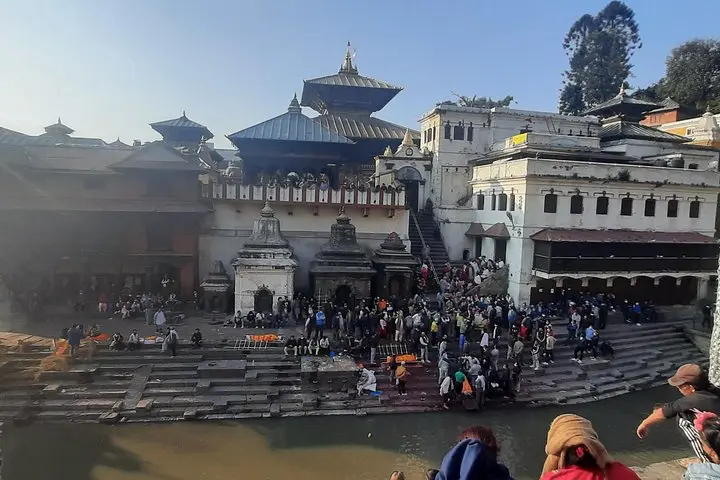
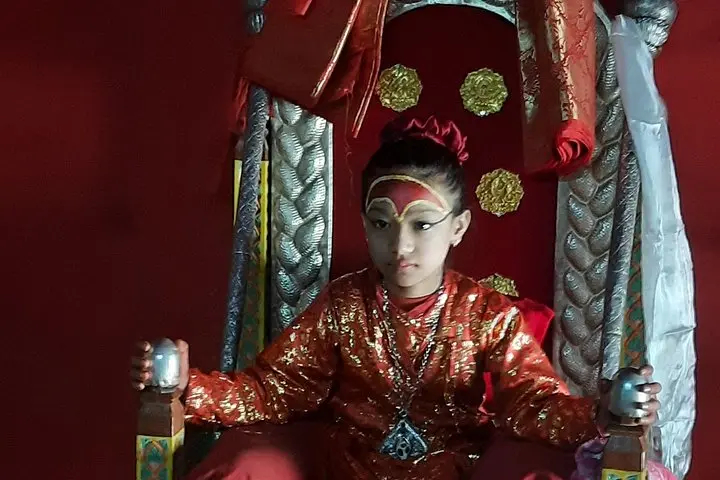
A slick morning light spills across carved brick and timber as the group moves from lane to lane in central Kathmandu — prayer flags snap above narrow streets, a river of people and scent pushing past ancient courtyards. Over two days this private tour strings together seven UNESCO sites: Swayambhunath’s hilltop stupa, Kathmandu and Patan Durbar Squares, Boudhanath’s great mandala, the holy banks of Pashupatinath, Bhaktapur’s potters and palaces, and the 7th-century Changunarayan temple beyond the valley rim.
A slick morning light spills across carved brick and timber as the group moves from lane to lane in central Kathmandu — prayer flags snap above narrow streets, a river of people and scent pushing past ancient courtyards. Over two days this private tour strings together seven UNESCO sites: Swayambhunath’s hilltop stupa, Kathmandu and Patan Durbar Squares, Boudhanath’s great mandala, the holy banks of Pashupatinath, Bhaktapur’s potters and palaces, and the 7th-century Changunarayan temple beyond the valley rim.
These sites map the history of the Newar civilization and the Himalayan crossroads: layered rebuilds of Hindu and Buddhist architecture, Vajrayana iconography, and earthquake-restored brickwork that reveal centuries of craftsmanship. Geologically, the valley sits on an alluvial basin ringed by ridge lines, which concentrated settlements and trade routes and shaped the compact urban fabric you’ll walk.
Expect lots of stairs, narrow alleys, and temple platforms; the Swayambhu climb rewards you with sweeping valley views, while Boudhanath offers slow circumambulations beneath watchful eyes and yak-butter lamps. Local guides explain rituals — kumari worship, cremation rites along the Bagmati — and point out woodcarvings and hidden courtyards most visitors miss.
Practically: bring comfortable walking shoes, a refillable water bottle, and a light rain layer; mornings are best for photography and fewer crowds. Admissions for some monuments are separate; the private car included in this tour minimizes transit time and maximizes daylight for exploring the squares and side streets where the daily life of Kathmandu unfolds.