THE ADVENTURE COLLECTIVE® · Independent discovery and booking for outdoor travel

A private two-day circuit through Kathmandu Valley's greatest cultural sites — from Durbar Squares to the Boudhanath Stupa — led by a guide who prioritizes local interaction and practical logistics. Read on for what to expect, how to prepare, and on-the-ground tips.
A private two-day circuit through Kathmandu Valley's greatest cultural sites — from Durbar Squares to the Boudhanath Stupa — led by a guide who prioritizes local interaction and practical logistics. Read on for what to expect, how to prepare, and on-the-ground tips.
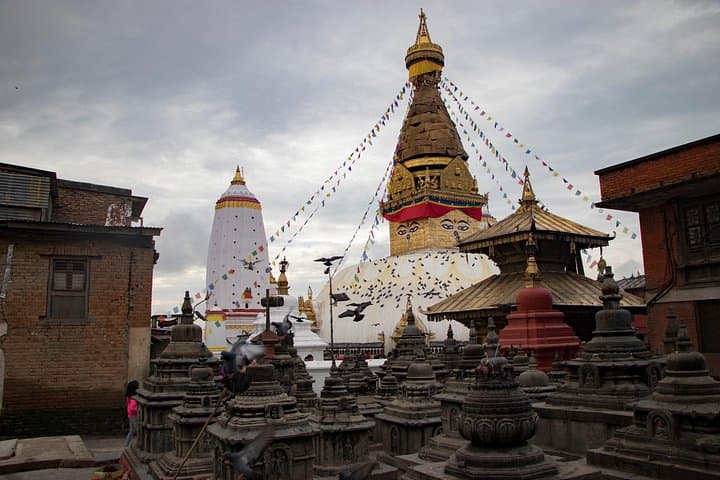
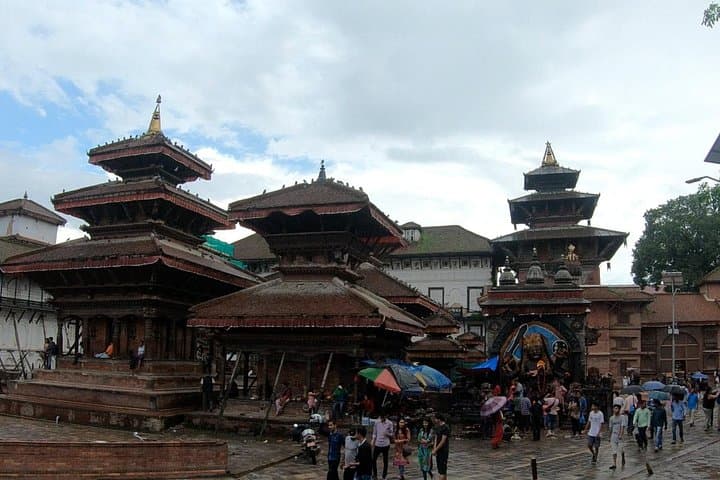
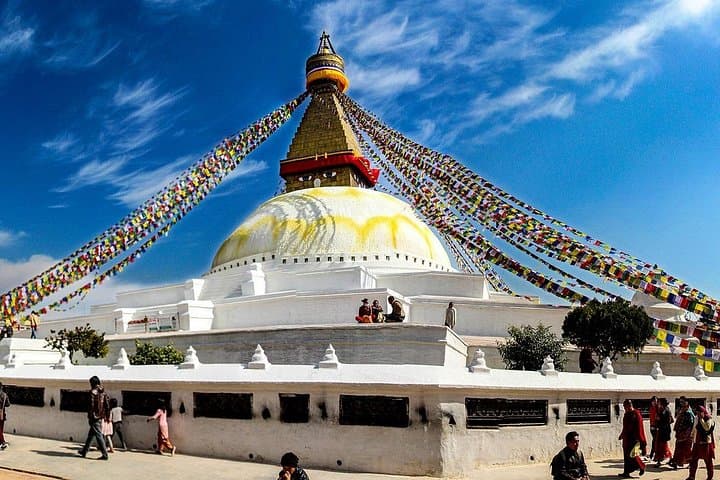
You step out of the tuk-tuk into a plaza that hums — incense, shopkeepers, and the steady clack of wooden windows being opened for the day. Stone courtyards give way to stupas topped with watchful eyes; narrow alleys thread between carved temples where daily rituals pause the city's rush.
Verified experiences and guided adventures in the surrounding area.
Operated by Red Carpet Journey · Kathmandu, Bagmati Province
You step out of the tuk-tuk into a plaza that hums — incense, shopkeepers, and the steady clack of wooden windows being opened for the day. Stone courtyards give way to stupas topped with watchful eyes; narrow alleys thread between carved temples where daily rituals pause the city's rush.
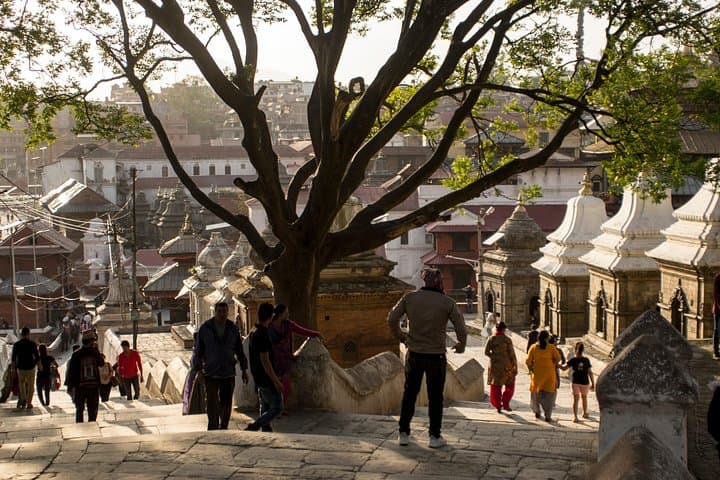
This two-day itinerary threads the Kathmandu Valley's three Durbar Squares (Kathmandu, Patan, Bhaktapur), Swayambhunath (the Monkey Temple), Boudhanath Stupa, Pashupatinath and Changunarayan. The monuments are products of the Malla era's concentrated urban craftsmanship: tiered pagoda roofs, intricate wood-carved windows, and chiselled stone guardians that date back centuries. Geologically, the valley sits in a rain-shadowed bowl at ~1,400 m, framed by ridges that shape seasonal air and light — morning views are crisp, late afternoons can be hazy.
Expect cultural contrasts: Sanskrit inscriptions and Buddhist prayer flags, street-side shrines and rooftop cafés overlooking the stupa. Guides on this private tour emphasize local interaction — bargaining at pottery stalls, observing a Kumari sighting, attending the evening aarti at Pashupatinath — and bring basic first aid and local networks to smooth logistics.
Practical notes: cover shoulders and knees at religious sites, wear grippy walking shoes for uneven courtyards and temple steps, and pace visits to avoid altitude fatigue and urban air. The tour includes private transport, two lunches, bottled water (two per person/day), and a printed city kit. Plan mornings for clearer light and quieter shrines; carry small bills for offerings and purchases. With guided context and local access, the route is compact enough to absorb without rushing — a concentrated cultural loop that rewards curiosity and respectful presence.
Yes — it’s designed as an introduction to the valley’s major sites with a private guide who handles logistics, local interaction and basic first aid.
The itinerary notes attractions but typically does not include local entry fees; confirm with the operator before booking.
Expect several hours of walking across courtyards and streets with short uphill sections; transport is provided between sites to limit long treks.
Kathmandu sits around 1,400 m — most travelers adapt quickly, but take it easy on the first day if you normally live near sea level.
Red Carpet Journey operates guided outdoor trips and adventures with an emphasis on safety, stewardship, and memorable experiences.
You step out of the tuk-tuk into a plaza that hums — incense, shopkeepers, and the steady clack of wooden windows being opened for the day. Stone courtyards give way to stupas topped with watchful eyes; narrow alleys thread between carved temples where daily rituals pause the city's rush.
You step out of the tuk-tuk into a plaza that hums — incense, shopkeepers, and the steady clack of wooden windows being opened for the day. Stone courtyards give way to stupas topped with watchful eyes; narrow alleys thread between carved temples where daily rituals pause the city's rush.
This two-day itinerary threads the Kathmandu Valley's three Durbar Squares (Kathmandu, Patan, Bhaktapur), Swayambhunath (the Monkey Temple), Boudhanath Stupa, Pashupatinath and Changunarayan. The monuments are products of the Malla era's concentrated urban craftsmanship: tiered pagoda roofs, intricate wood-carved windows, and chiselled stone guardians that date back centuries. Geologically, the valley sits in a rain-shadowed bowl at ~1,400 m, framed by ridges that shape seasonal air and light — morning views are crisp, late afternoons can be hazy.
Expect cultural contrasts: Sanskrit inscriptions and Buddhist prayer flags, street-side shrines and rooftop cafés overlooking the stupa. Guides on this private tour emphasize local interaction — bargaining at pottery stalls, observing a Kumari sighting, attending the evening aarti at Pashupatinath — and bring basic first aid and local networks to smooth logistics.
Practical notes: cover shoulders and knees at religious sites, wear grippy walking shoes for uneven courtyards and temple steps, and pace visits to avoid altitude fatigue and urban air. The tour includes private transport, two lunches, bottled water (two per person/day), and a printed city kit. Plan mornings for clearer light and quieter shrines; carry small bills for offerings and purchases. With guided context and local access, the route is compact enough to absorb without rushing — a concentrated cultural loop that rewards curiosity and respectful presence.