THE ADVENTURE COLLECTIVE® · Independent discovery and booking for outdoor travel

A fully customizable private day in Kyoto that stitches together bamboo groves, Golden Pavilion, Fushimi Inari and local markets with a guide who tailors pace and theme. Ideal for first-time visitors who want control over timing and interests.
A fully customizable private day in Kyoto that stitches together bamboo groves, Golden Pavilion, Fushimi Inari and local markets with a guide who tailors pace and theme. Ideal for first-time visitors who want control over timing and interests.
You step out under a low autumn sky and the city of Kyoto folds around you—narrow wooden storefronts, the murmuring of a shrine, the bamboo grove rustling like a living corridor. On a custom private tour you move deliberately through the city’s layers: a private vehicle or guide navigates traffic while you walk the temple thresholds, climb red torii stairs and browse market alleys with time set to your pace.
Verified experiences and guided adventures in the surrounding area.
Operated by EXPLOREMTFUJI · Kyoto, Kyoto Prefecture
You step out under a low autumn sky and the city of Kyoto folds around you—narrow wooden storefronts, the murmuring of a shrine, the bamboo grove rustling like a living corridor. On a custom private tour you move deliberately through the city’s layers: a private vehicle or guide navigates traffic while you walk the temple thresholds, climb red torii stairs and browse market alleys with time set to your pace.
Kyoto was Japan’s capital for more than a millennium, and archetypal sites on a nine-hour custom route often include Kinkaku-ji’s gilded reflection, the towering gates and thousand shrines of Fushimi Inari, the hush of Sanjūsangen-dō’s thousand Kannon statues, and the towering trunks of Arashiyama’s bamboo. Geologically the basin sits between low mountains; rivers and canals shaped the city’s layout and its gardens.
Local culture is tactile: tea ceremony etiquette, shoe removal at temple thresholds, and quiet reverence at small neighborhood shrines. Guides can tailor history and routes to your interests—architecture, gardens, food, or photography.
Practical edge: expect 8–9 hours moving between dispersed sites, with periods of standing and stair-climbing. Wear comfortable shoes, carry a light rain layer in summer, and keep cash—smaller shops and shrines can be cash-only. Start early to avoid midday crowds at the bamboo grove and Fushimi Inari, and plan market stops around lunch to sample fresh street food. Your guide can arrange pick-up and drop-off anywhere in Kyoto and adjust timing to match seasonal light and local events.
Yes—the tour is designed to be customized to your interests, with the guide reshaping routes, timing and focus (history, food, photography).
Standard bookings typically do not include entrance fees—your guide can advise on costs and buy tickets on your behalf if arranged in advance.
Yes—staff can arrange pickup or drop-off at most central hotels, stations or agreed meeting points within Kyoto city limits.
The tour is adaptable but several sites have stairs and uneven surfaces; notify the operator of mobility needs so the route can be adjusted.
EXPLOREMTFUJI operates guided outdoor trips and adventures with an emphasis on safety, stewardship, and memorable experiences.
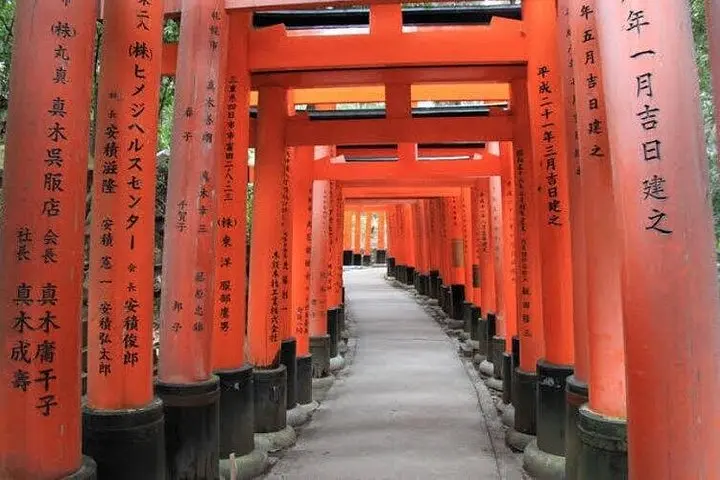
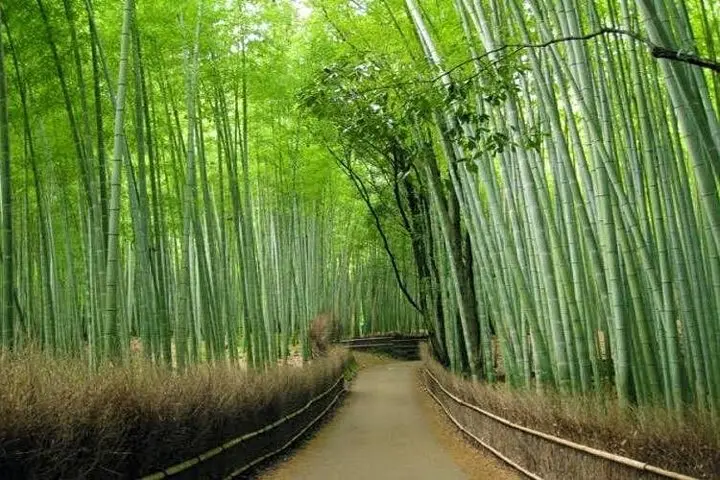
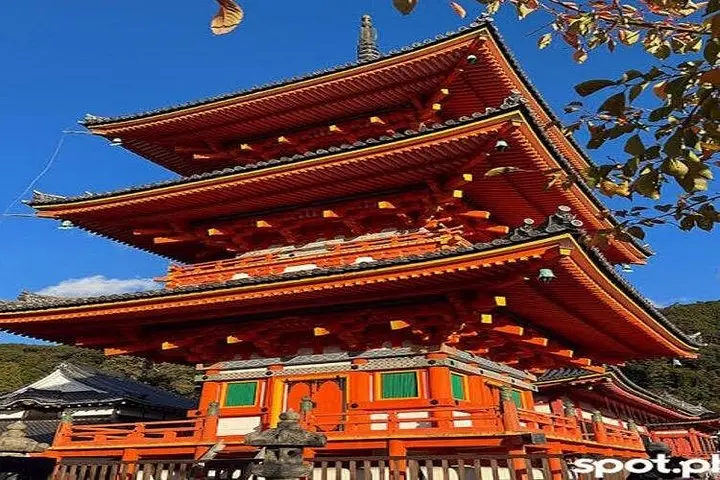
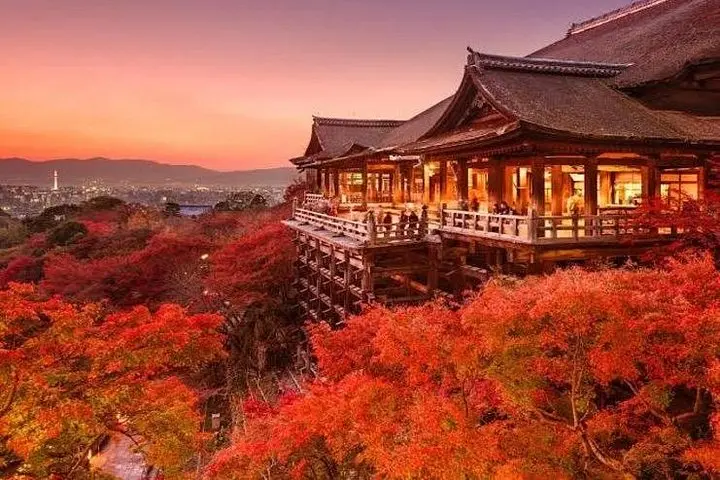
You step out under a low autumn sky and the city of Kyoto folds around you—narrow wooden storefronts, the murmuring of a shrine, the bamboo grove rustling like a living corridor. On a custom private tour you move deliberately through the city’s layers: a private vehicle or guide navigates traffic while you walk the temple thresholds, climb red torii stairs and browse market alleys with time set to your pace.
You step out under a low autumn sky and the city of Kyoto folds around you—narrow wooden storefronts, the murmuring of a shrine, the bamboo grove rustling like a living corridor. On a custom private tour you move deliberately through the city’s layers: a private vehicle or guide navigates traffic while you walk the temple thresholds, climb red torii stairs and browse market alleys with time set to your pace.
Kyoto was Japan’s capital for more than a millennium, and archetypal sites on a nine-hour custom route often include Kinkaku-ji’s gilded reflection, the towering gates and thousand shrines of Fushimi Inari, the hush of Sanjūsangen-dō’s thousand Kannon statues, and the towering trunks of Arashiyama’s bamboo. Geologically the basin sits between low mountains; rivers and canals shaped the city’s layout and its gardens.
Local culture is tactile: tea ceremony etiquette, shoe removal at temple thresholds, and quiet reverence at small neighborhood shrines. Guides can tailor history and routes to your interests—architecture, gardens, food, or photography.
Practical edge: expect 8–9 hours moving between dispersed sites, with periods of standing and stair-climbing. Wear comfortable shoes, carry a light rain layer in summer, and keep cash—smaller shops and shrines can be cash-only. Start early to avoid midday crowds at the bamboo grove and Fushimi Inari, and plan market stops around lunch to sample fresh street food. Your guide can arrange pick-up and drop-off anywhere in Kyoto and adjust timing to match seasonal light and local events.