THE ADVENTURE COLLECTIVE® · Independent discovery and booking for outdoor travel

A six-day circuit from Leh to Nubra Valley and Pangong Lake that combines high-altitude road travel, Buddhist monasteries and stark, unforgettable landscapes. Practical advice for acclimatizing and what to expect on each major stop.
A six-day circuit from Leh to Nubra Valley and Pangong Lake that combines high-altitude road travel, Buddhist monasteries and stark, unforgettable landscapes. Practical advice for acclimatizing and what to expect on each major stop.
You step off the flight at Kushok Bakula Rinpoche Airport and the air feels thinner — a sharp, clean chill that makes the first few steps deliberate.
Verified experiences and guided adventures in the surrounding area.
Operated by kumbhar tourism · Leh, Ladakh
You step off the flight at Kushok Bakula Rinpoche Airport and the air feels thinner — a sharp, clean chill that makes the first few steps deliberate.
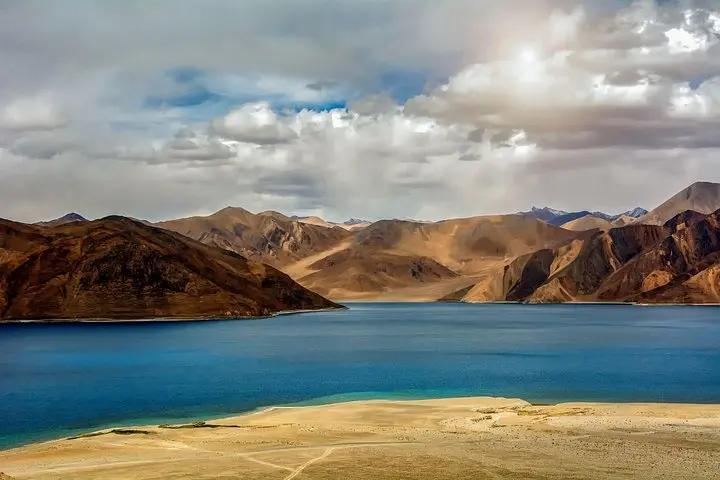
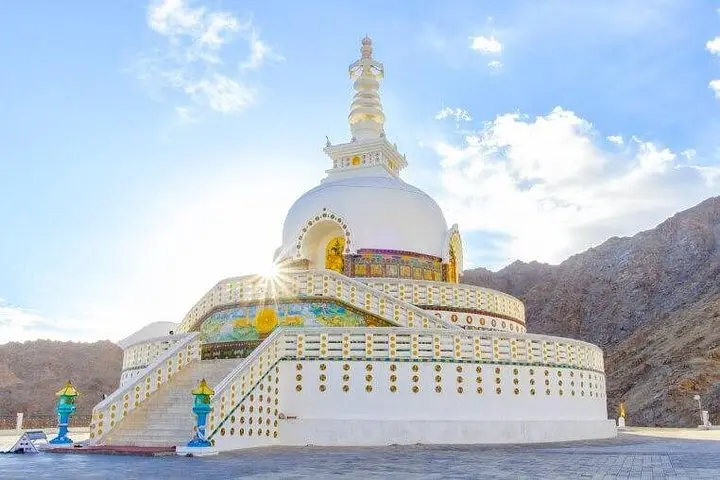
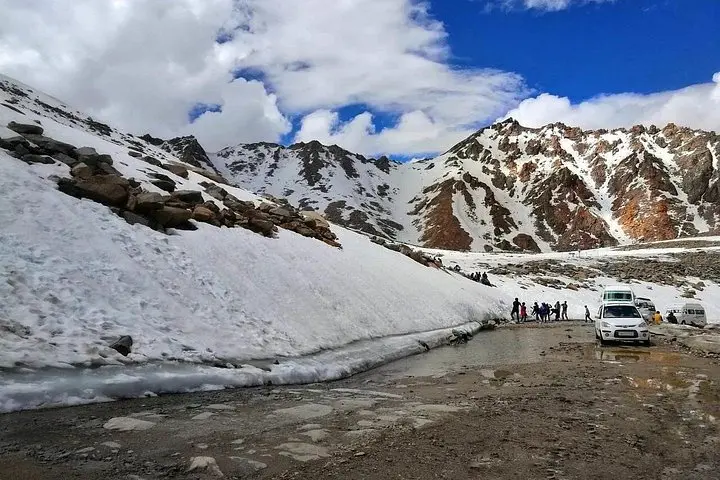
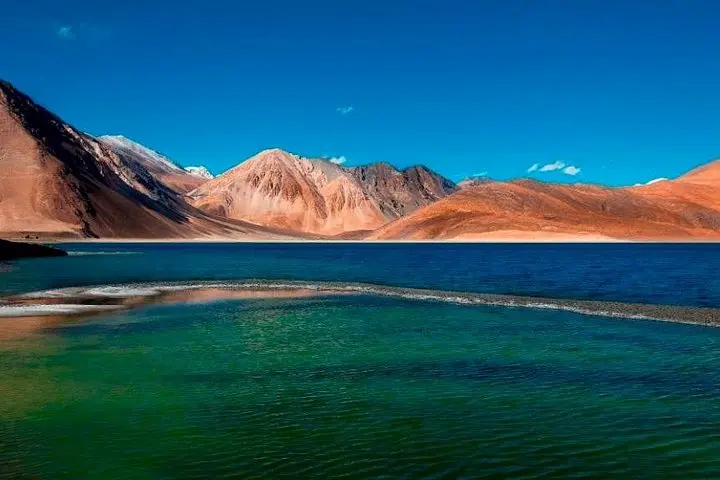
The first evening climbs to Shanti Stupa for a wide, wind-swept view of Leh and the stacked white of the palace; this is a landscape that prefers hard edges and clear light. Over six days the route unfolds from Leh’s gompas and bazaars to the lunar slopes of Nubra Valley via Khardung La (listed here at about 18,360 ft) and across the salt-blue reaches of Pangong Lake.
Geology and history are visible at every turn: Ladakh’s high plateau is the uplifted collision zone of the Himalaya, carved by rivers that still argue for space. Centuries of Buddhist culture sit in cluster of monasteries — Thiksey, Shey and Hemis — and old trade routes leave scattered villages such as Hunder where Bactrian camels recall the Silk Road.
Expect long drives, short walks and big altitudes. The days are mostly vehicle-supported sightseeing with short cultural stops, a possible camel ride on Nubra’s dunes and early-morning light at Pangong’s shore. Practicalities matter: acclimatize on day one, carry layered clothing for strong sun and sudden wind, and pack water and electrolytes.
Permits for restricted areas are commonly required and operators will request passport details; fuel, mobile coverage and medical care are intermittent. Travel here rewards patience — the region’s clarity makes every slope and monastery feel immediate, but it demands respect for both altitude and fragile high-altitude ecology.
Yes — certain areas are in restricted zones; foreign nationals must present passport details for Protected Area or Inner Line Permits, which most tour operators coordinate in advance.
Plan at least one full day in Leh to rest, avoid heavy exertion and monitor for symptoms; if you feel unwell, delay higher passes and seek medical advice.
Late May through September offers the most reliable access to high passes and lakes; winter brings heavy snow and many roads close.
This tour involves high altitude and long drives; not recommended for pregnant travelers or those with serious heart or spinal conditions — consult a physician before booking.
kumbhar tourism operates guided outdoor trips and adventures with an emphasis on safety, stewardship, and memorable experiences.
You step off the flight at Kushok Bakula Rinpoche Airport and the air feels thinner — a sharp, clean chill that makes the first few steps deliberate.
You step off the flight at Kushok Bakula Rinpoche Airport and the air feels thinner — a sharp, clean chill that makes the first few steps deliberate.
The first evening climbs to Shanti Stupa for a wide, wind-swept view of Leh and the stacked white of the palace; this is a landscape that prefers hard edges and clear light. Over six days the route unfolds from Leh’s gompas and bazaars to the lunar slopes of Nubra Valley via Khardung La (listed here at about 18,360 ft) and across the salt-blue reaches of Pangong Lake.
Geology and history are visible at every turn: Ladakh’s high plateau is the uplifted collision zone of the Himalaya, carved by rivers that still argue for space. Centuries of Buddhist culture sit in cluster of monasteries — Thiksey, Shey and Hemis — and old trade routes leave scattered villages such as Hunder where Bactrian camels recall the Silk Road.
Expect long drives, short walks and big altitudes. The days are mostly vehicle-supported sightseeing with short cultural stops, a possible camel ride on Nubra’s dunes and early-morning light at Pangong’s shore. Practicalities matter: acclimatize on day one, carry layered clothing for strong sun and sudden wind, and pack water and electrolytes.
Permits for restricted areas are commonly required and operators will request passport details; fuel, mobile coverage and medical care are intermittent. Travel here rewards patience — the region’s clarity makes every slope and monastery feel immediate, but it demands respect for both altitude and fragile high-altitude ecology.