THE ADVENTURE COLLECTIVE® · Independent discovery and booking for outdoor travel

Discover the Lafcadio Hearn Japanese Gardens in Tramore: eleven themed garden areas that follow the life and influences of Patrick Lafcadio Hearn. This practical guide covers history, what to expect on arrival, and tips for making the most of a self‑guided visit.
Discover the Lafcadio Hearn Japanese Gardens in Tramore: eleven themed garden areas that follow the life and influences of Patrick Lafcadio Hearn. This practical guide covers history, what to expect on arrival, and tips for making the most of a self‑guided visit.
Morning light slices across Tramore Bay and the Japanese gardens sit like a quiet chapter between sea and promenade. Gravel paths curve past stone lanterns, maple saplings, and carefully placed boulders; gulls call from the surf while the bay pushes a steady salt-scented breeze inland.
Verified experiences and guided adventures in the surrounding area.
Operated by Lafcadio Hearn Japanese Gardens · Tramore, County Waterford
Morning light slices across Tramore Bay and the Japanese gardens sit like a quiet chapter between sea and promenade. Gravel paths curve past stone lanterns, maple saplings, and carefully placed boulders; gulls call from the surf while the bay pushes a steady salt-scented breeze inland.
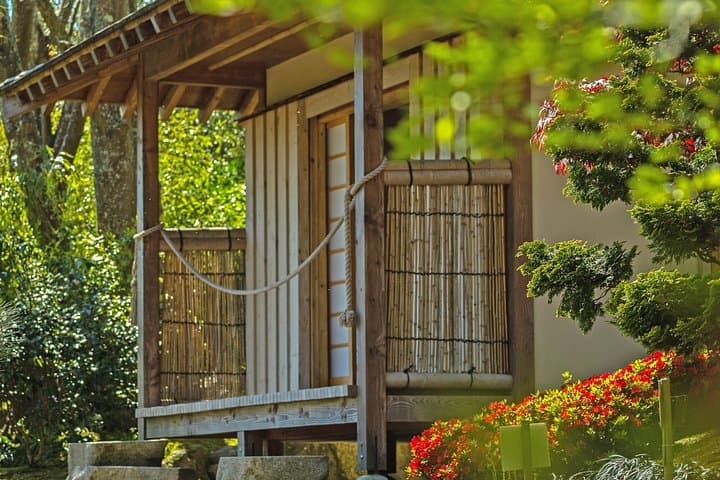
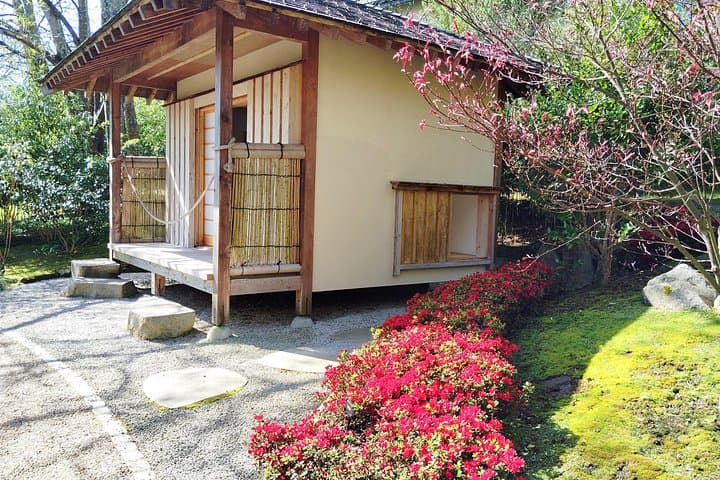
The gardens honor Patrick Lafcadio Hearn (Koizumi Yakumo), the 19th‑century writer who bridged Irish and Japanese cultures. The layout moves visitors through a Victorian section to American and Greek themed areas before arriving at eleven garden scenes inspired by Japanese plantings and architecture—each rock and pond chosen for symbolic meaning rather than accident. Geologically, the site overlooks sandy Tramore Bay with its sheltered beaches and nearby sandstone bedrock, which shaped local paths and viewpoints over generations.
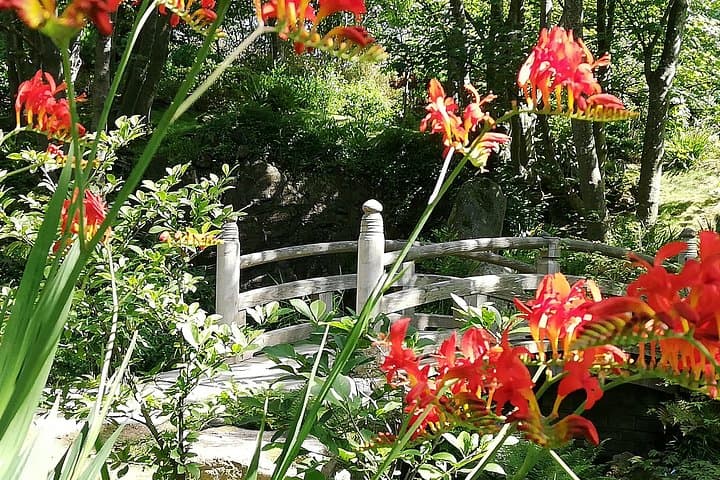
Local life blends seaside leisure with literary history; children follow discovery trails while residents walk dogs along the promenade. Small plaques interpret Hearn’s life and explain the symbolism behind rocks, bridges, and water features.
Practical notes: admission is by timed ticket with a self‑guided tour that can take 1–6 hours depending on pace. Paths are wheelchair and stroller accessible; wear sturdy shoes for gravel and occasional slopes. Visit in morning or late afternoon for softer light and fewer crowds; bring a windproof layer—the bay can turn cold quickly. Combine the visit with a walk on Tramore Beach or a short drive to Waterford city for food and transport links. Photography, quiet contemplation, and slow walking are the best ways to experience the gardens.
Most visitors spend 1–2 hours; allow up to 4–6 hours if you plan to read interpretive panels, follow the children’s trail, or photograph extensively.
Yes—paths are designed for wheelchair and stroller access, though some gravel sections and gentle slopes exist; staff can advise on the easiest route.
Public transport serves Tramore and there is local parking near the promenade; confirm seasonal parking restrictions in summer.
Service animals are permitted; other pets may be restricted—check on arrival and be prepared to keep dogs on a short leash near planted areas.
Lafcadio Hearn Japanese Gardens operates guided outdoor trips and adventures with an emphasis on safety, stewardship, and memorable experiences.
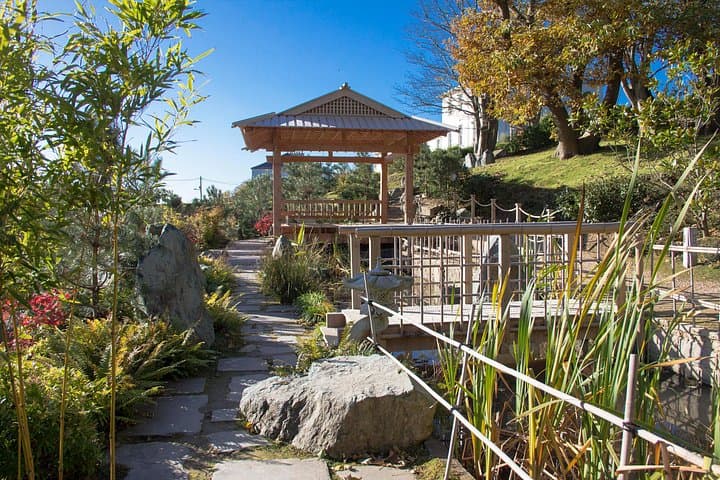
Morning light slices across Tramore Bay and the Japanese gardens sit like a quiet chapter between sea and promenade. Gravel paths curve past stone lanterns, maple saplings, and carefully placed boulders; gulls call from the surf while the bay pushes a steady salt-scented breeze inland.
Morning light slices across Tramore Bay and the Japanese gardens sit like a quiet chapter between sea and promenade. Gravel paths curve past stone lanterns, maple saplings, and carefully placed boulders; gulls call from the surf while the bay pushes a steady salt-scented breeze inland.
The gardens honor Patrick Lafcadio Hearn (Koizumi Yakumo), the 19th‑century writer who bridged Irish and Japanese cultures. The layout moves visitors through a Victorian section to American and Greek themed areas before arriving at eleven garden scenes inspired by Japanese plantings and architecture—each rock and pond chosen for symbolic meaning rather than accident. Geologically, the site overlooks sandy Tramore Bay with its sheltered beaches and nearby sandstone bedrock, which shaped local paths and viewpoints over generations.
Local life blends seaside leisure with literary history; children follow discovery trails while residents walk dogs along the promenade. Small plaques interpret Hearn’s life and explain the symbolism behind rocks, bridges, and water features.
Practical notes: admission is by timed ticket with a self‑guided tour that can take 1–6 hours depending on pace. Paths are wheelchair and stroller accessible; wear sturdy shoes for gravel and occasional slopes. Visit in morning or late afternoon for softer light and fewer crowds; bring a windproof layer—the bay can turn cold quickly. Combine the visit with a walk on Tramore Beach or a short drive to Waterford city for food and transport links. Photography, quiet contemplation, and slow walking are the best ways to experience the gardens.