THE ADVENTURE COLLECTIVE® · Independent discovery and booking for outdoor travel

Glide across the world’s highest navigable lake to reed-built settlements and a highland village famed for its textiles. This full-day tour from Puno pairs hands-on cultural exchange with dramatic, high-altitude scenery and practical insights for first-time visitors.
Glide across the world’s highest navigable lake to reed-built settlements and a highland village famed for its textiles. This full-day tour from Puno pairs hands-on cultural exchange with dramatic, high-altitude scenery and practical insights for first-time visitors.
A low-slung boat slips away from Puno at first light and Lake Titicaca opens like a cold, glass plain—wind pushing small waves that dare you to keep pace. The Uros appear as clustered mats of gold-brown reeds, their edges softened by reflected sky and the rhythmic dip of reed-built boats. On Taquile, terraces climb toward a village square where textiles unfold like living maps of community memory.
Verified experiences and guided adventures in the surrounding area.
Operated by Huaynapicchu · Puno, Puno
A low-slung boat slips away from Puno at first light and Lake Titicaca opens like a cold, glass plain—wind pushing small waves that dare you to keep pace. The Uros appear as clustered mats of gold-brown reeds, their edges softened by reflected sky and the rhythmic dip of reed-built boats. On Taquile, terraces climb toward a village square where textiles unfold like living maps of community memory.
The lake itself is the story’s backbone: the highest navigable freshwater body on Earth, carved by tectonics and glacial action and sitting at roughly 3,800–3,950 meters above sea level around Puno. The Uros people fashioned floating islands from layers of totora reeds for defensive mobility long before modern borders, while Taquileños preserved a communal textile craft recognized internationally for its social organization and technique.
Expect hands-on cultural exchange: Uros families often demonstrate reed-weaving and small-craft building; Taquile hosts communal weaving demonstrations and a simple, filling lunch made from local potatoes, quinoa and trout. The terrain is boat decks, narrow reed pathways and steep cobbled lanes on Taquile—good balance and steady shoes matter.
Practical notes: altitude is the variable that defines comfort—move slowly, hydrate, and avoid heavy exertion the first day. Morning departures give calmer water and clearer light for photos; bring layered clothing for sharp sun, wind and sudden drops in temperature. Respect local customs—ask before photographing people—and carry small bills for community purchases or tips. This full-day route blends accessible boating, tangible craft traditions and wide, high-altitude views into a single, memorable Peruvian highland day.
Boat travel to Taquile takes about 1.5–2 hours each way depending on weather and the exact route; Uros is much closer, typically 20–40 minutes from Puno.
Yes—this tour is generally described as easy and accessible, but consider altitude effects and mobility on uneven surfaces for some travelers.
This specific full-day tour includes entrance to the islands and a typical lunch, as well as round-trip boat transport and a Spanish-English guide.
Yes—local cooperatives and families sell woven goods and small crafts; bring local currency and ask permission before photographing people closely.
Huaynapicchu operates guided outdoor trips and adventures with an emphasis on safety, stewardship, and memorable experiences.
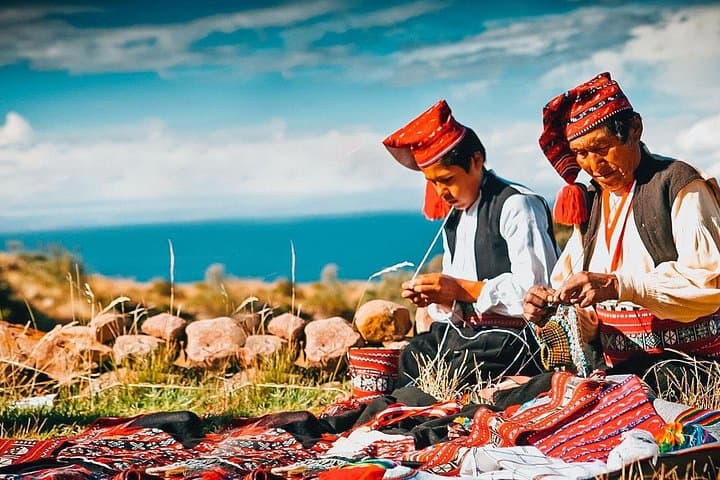
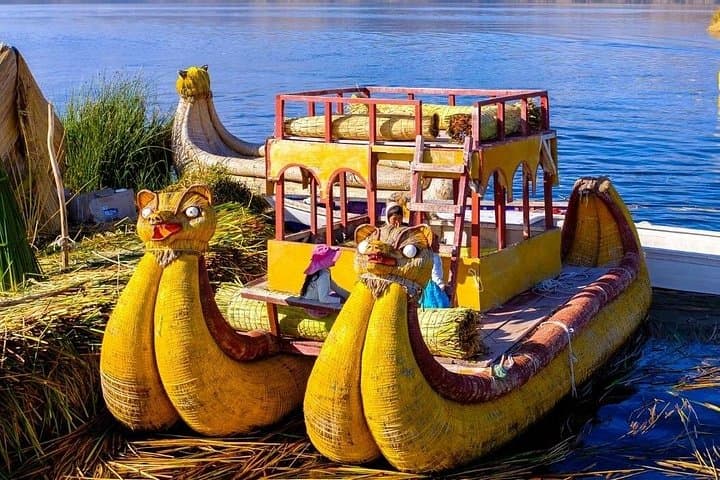
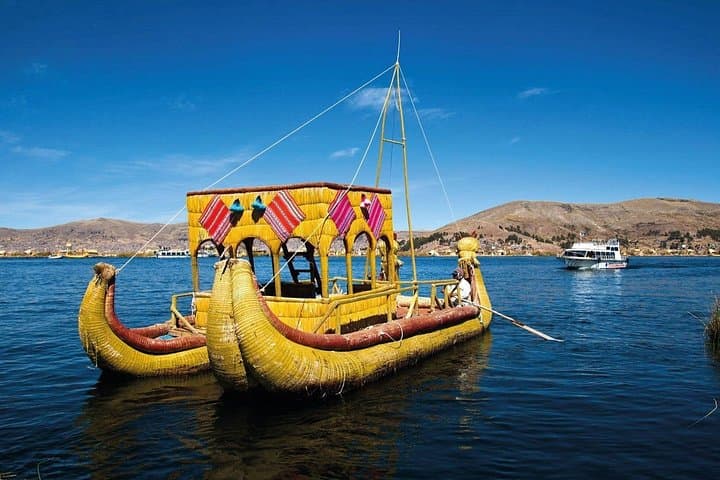
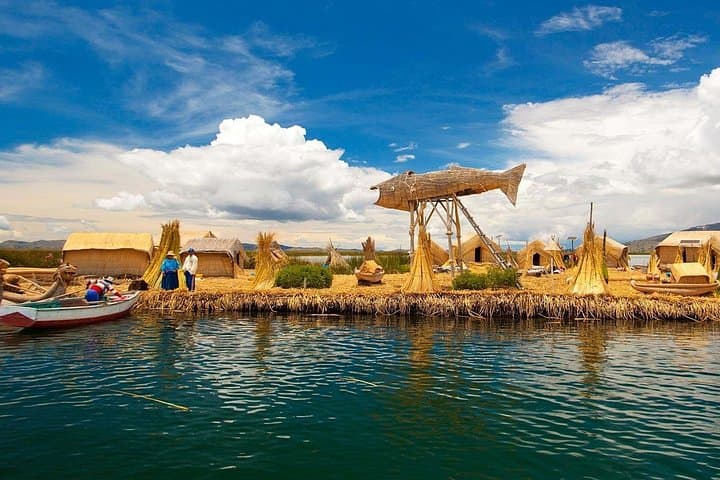
A low-slung boat slips away from Puno at first light and Lake Titicaca opens like a cold, glass plain—wind pushing small waves that dare you to keep pace. The Uros appear as clustered mats of gold-brown reeds, their edges softened by reflected sky and the rhythmic dip of reed-built boats. On Taquile, terraces climb toward a village square where textiles unfold like living maps of community memory.
A low-slung boat slips away from Puno at first light and Lake Titicaca opens like a cold, glass plain—wind pushing small waves that dare you to keep pace. The Uros appear as clustered mats of gold-brown reeds, their edges softened by reflected sky and the rhythmic dip of reed-built boats. On Taquile, terraces climb toward a village square where textiles unfold like living maps of community memory.
The lake itself is the story’s backbone: the highest navigable freshwater body on Earth, carved by tectonics and glacial action and sitting at roughly 3,800–3,950 meters above sea level around Puno. The Uros people fashioned floating islands from layers of totora reeds for defensive mobility long before modern borders, while Taquileños preserved a communal textile craft recognized internationally for its social organization and technique.
Expect hands-on cultural exchange: Uros families often demonstrate reed-weaving and small-craft building; Taquile hosts communal weaving demonstrations and a simple, filling lunch made from local potatoes, quinoa and trout. The terrain is boat decks, narrow reed pathways and steep cobbled lanes on Taquile—good balance and steady shoes matter.
Practical notes: altitude is the variable that defines comfort—move slowly, hydrate, and avoid heavy exertion the first day. Morning departures give calmer water and clearer light for photos; bring layered clothing for sharp sun, wind and sudden drops in temperature. Respect local customs—ask before photographing people—and carry small bills for community purchases or tips. This full-day route blends accessible boating, tangible craft traditions and wide, high-altitude views into a single, memorable Peruvian highland day.