
Explore Lalibela: Full-Day Tour of the 12th-Century Rock-Hewn Churches
Walk a living underground city of rock-hewn sanctuaries on this full-day tour of Lalibela’s 12th-century churches. Expect carved naves, narrow tunnels, local liturgy and practical logistics like on-site ticket processing.
An Adventure In Lalibela.
Walk a living underground city of rock-hewn sanctuaries on this full-day tour of Lalibela’s 12th-century churches. Expect carved naves, narrow tunnels, local liturgy and practical logistics like on-site ticket processing.
Read the full experience
You step off the minivan into a highland town carved out of ochre rock and thin air; smoke from teahouses curls past priests in white robes, and the first carved façade sits flush with the earth as if the mountain itself has been opened like a book.
You step off the minivan into a highland town carved out of ochre rock and thin air; smoke from teahouses curls past priests in white robes, and the first carved façade sits flush with the earth as if the mountain itself has been opened like a book.
The Lalibela Churches Day Tour guides visitors through eleven principal monolithic churches hewn from volcanic tuff during the 12th century under the Zagwe dynasty. These subterranean structures—linked by tunnels, trenches and ceremonial stairways—were meant to mirror Jerusalem and became a focal point of Ethiopian Orthodox devotion. Geologically, the soft red scoria and underlying basalt made precise carving possible: builders removed material to reveal freestanding volumes and interior columns, producing interiors with vaults, reliefs and rock-cut masonry rarely matched elsewhere.
Culturally, the churches remain living sites—liturgical songs, centuries-old liturgy, and daily worship shape how visitors should behave. Locals recommend pausing at Bet Medhane Alem’s vast nave and standing on the rim above Bet Giyorgis for the classic profile shot, but remember many interiors prohibit photography without fees or permission.
Practical guidance: the tour runs 8–9 hours and includes short walks on uneven stone, narrow passageways and steps. Comfortable footwear, sun protection and a modest dress code are necessary; bring small change for mandatory entrance processing at the ticket office. Guides typically pace the day to allow breaks for tea and a midday lunch. Arrive early to avoid crowds and to experience evening light across the pitched roofs of Bet Giyorgis when available. Respect rituals, follow guide instructions near clergy, and keep hydration handy—the highland sun pushes you forward even when the stone asks you to slow down.
Frequently asked questions
No—by local regulation entrance tickets are issued at the ticket office on the day of your visit; your guide will assist with the quick on-site processing.
Some exterior areas and the main complexes have limited access, but many interiors require navigating steps and narrow tunnels; check specific accessibility needs with the operator in advance.
Photography rules vary by church; some interiors require an extra fee or prohibit flash and video—always ask your guide before taking photos.
Yes—physical demands are moderate and the tour is described as suitable for all fitness levels, but families should prepare for narrow passages and long periods of standing.
About This Experience
Access Eco Trekking Tours operates guided outdoor trips and adventures with an emphasis on safety, stewardship, and memorable experiences.
Adventure tips
Recommended gear
- Sturdy walking shoes: Good traction and ankle support for uneven stone steps and pathways.
- Reusable water bottle: Highland sun and long days make regular hydration important.
- Modest layered clothing: Cultural sites require modest dress and layers help manage temperature swings.
- Small daypack: Holds water, camera, snacks and purchases without restricting movement.
Photos of the experience



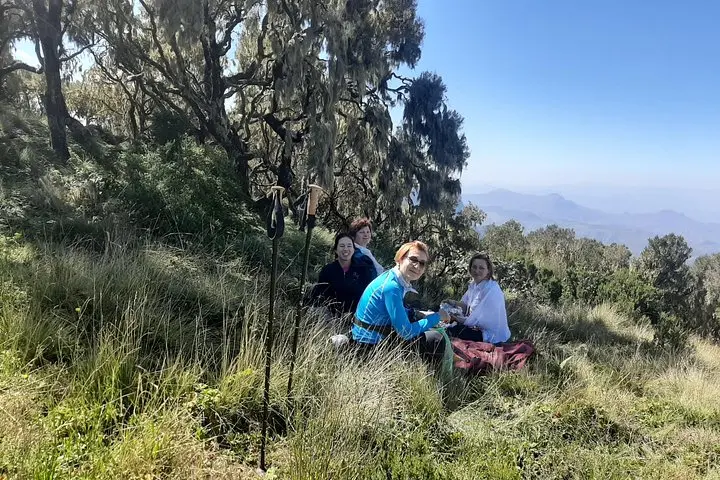
Related adventures & guides
Read the full experience
You step off the minivan into a highland town carved out of ochre rock and thin air; smoke from teahouses curls past priests in white robes, and the first carved façade sits flush with the earth as if the mountain itself has been opened like a book.
You step off the minivan into a highland town carved out of ochre rock and thin air; smoke from teahouses curls past priests in white robes, and the first carved façade sits flush with the earth as if the mountain itself has been opened like a book.
The Lalibela Churches Day Tour guides visitors through eleven principal monolithic churches hewn from volcanic tuff during the 12th century under the Zagwe dynasty. These subterranean structures—linked by tunnels, trenches and ceremonial stairways—were meant to mirror Jerusalem and became a focal point of Ethiopian Orthodox devotion. Geologically, the soft red scoria and underlying basalt made precise carving possible: builders removed material to reveal freestanding volumes and interior columns, producing interiors with vaults, reliefs and rock-cut masonry rarely matched elsewhere.
Culturally, the churches remain living sites—liturgical songs, centuries-old liturgy, and daily worship shape how visitors should behave. Locals recommend pausing at Bet Medhane Alem’s vast nave and standing on the rim above Bet Giyorgis for the classic profile shot, but remember many interiors prohibit photography without fees or permission.
Practical guidance: the tour runs 8–9 hours and includes short walks on uneven stone, narrow passageways and steps. Comfortable footwear, sun protection and a modest dress code are necessary; bring small change for mandatory entrance processing at the ticket office. Guides typically pace the day to allow breaks for tea and a midday lunch. Arrive early to avoid crowds and to experience evening light across the pitched roofs of Bet Giyorgis when available. Respect rituals, follow guide instructions near clergy, and keep hydration handy—the highland sun pushes you forward even when the stone asks you to slow down.
Make a day of it nearby.
Verified experiences and guided adventures in the surrounding area.