THE ADVENTURE COLLECTIVE® · Independent discovery and booking for outdoor travel

A short, walkable day trip from Gjirokastër that mixes Illyrian ruins, Sopot Mountain views, and the Kordhoca Bridge. Expect easy walking, rural hospitality, and sharp valley panoramas.
A short, walkable day trip from Gjirokastër that mixes Illyrian ruins, Sopot Mountain views, and the Kordhoca Bridge. Expect easy walking, rural hospitality, and sharp valley panoramas.
You step from an air-conditioned vehicle onto a quiet lane where stone houses slope toward the Drino valley and the wind off Mali i Gjerë pushes cold air into your cheeks. Fields and terraces fan out below; the ruined tower above Lazarat watches the road like an old guard. The village feels lived-in and straightforward — a place where history and recent memory sit side by side.
Verified experiences and guided adventures in the surrounding area.
Operated by Enis Travel Tours · Lazarat, Gjirokastër
You step from an air-conditioned vehicle onto a quiet lane where stone houses slope toward the Drino valley and the wind off Mali i Gjerë pushes cold air into your cheeks. Fields and terraces fan out below; the ruined tower above Lazarat watches the road like an old guard. The village feels lived-in and straightforward — a place where history and recent memory sit side by side.
Lazarat’s story stretches to Illyrian settlements and to the Ottoman era when villagers resisted religious pressures and later supported Ali Pasha Tepelena. The geology is blunt: limestone slopes, narrow ridgelines of Sopot Mountain, and quick-draining soils that shaped terraced farming and stonework. Culture here is rural Albanian — small kafene shops, sturdy masonry, and direct hospitality that values a shared cup of coffee.
Walks to the old tower and the nearby Kordhoca Bridge bring landscape as much as artifacts; the Drino River carves the valley below and calls you toward viewpoints where you can see Gjirokastër’s tile roofs on the distant ridge. Expect straightforward paths, loose rock underfoot, and short climbs rather than technical trails.
Practical guidance: wear supportive walking shoes, carry 1–2 liters of water, and time visits for morning or late afternoon to avoid midday heat. Ask locally before photographing private property and use established paths to protect terraced fields. The tour doubles cultural insight with light outdoor exploration — an accessible day trip for travelers curious about southern Albania’s layered past and highland character.
Tours run about 1–5 hours depending on stops; a typical visit includes 2–3 hours on-site including viewpoints and the bridge.
No; paths are short and non-technical, suitable for most fitness levels, though some uneven surfaces exist.
Yes — small cafes and hosts offer coffee and light refreshments; carry cash for easier transactions.
Photography of public sites is fine, but always ask before photographing residents or private property.
Enis Travel Tours operates guided outdoor trips and adventures with an emphasis on safety, stewardship, and memorable experiences.
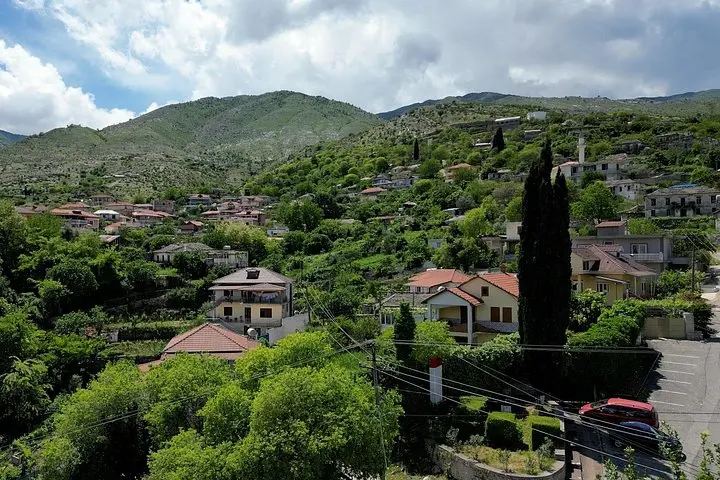
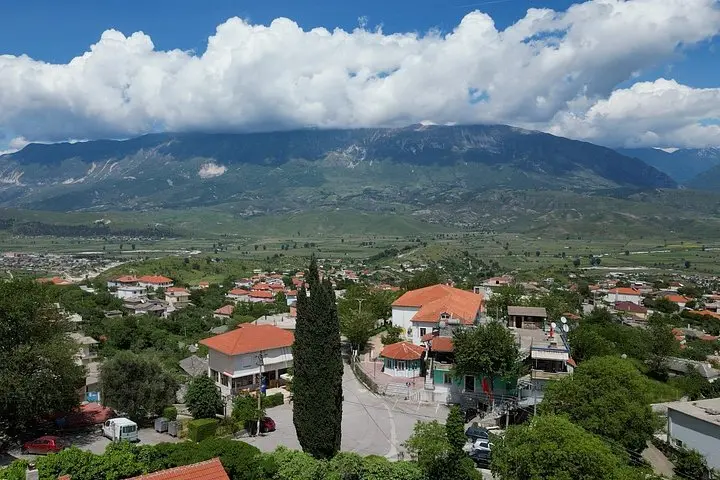
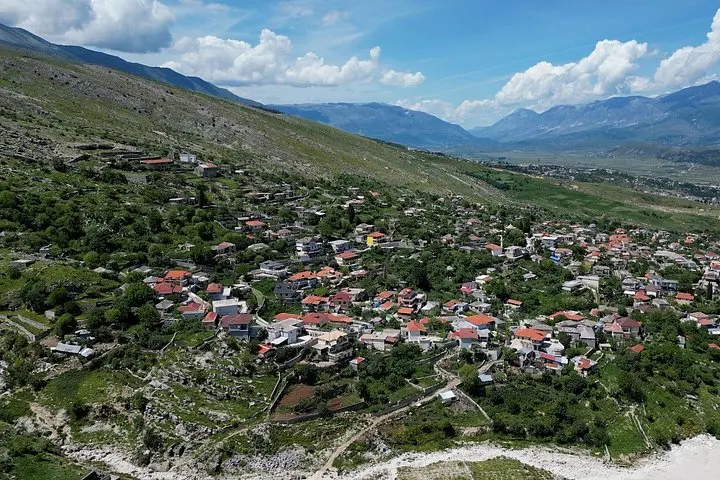
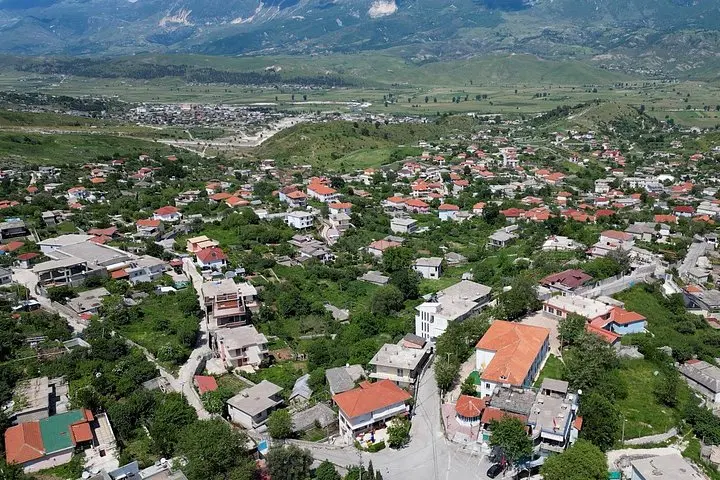
You step from an air-conditioned vehicle onto a quiet lane where stone houses slope toward the Drino valley and the wind off Mali i Gjerë pushes cold air into your cheeks. Fields and terraces fan out below; the ruined tower above Lazarat watches the road like an old guard. The village feels lived-in and straightforward — a place where history and recent memory sit side by side.
You step from an air-conditioned vehicle onto a quiet lane where stone houses slope toward the Drino valley and the wind off Mali i Gjerë pushes cold air into your cheeks. Fields and terraces fan out below; the ruined tower above Lazarat watches the road like an old guard. The village feels lived-in and straightforward — a place where history and recent memory sit side by side.
Lazarat’s story stretches to Illyrian settlements and to the Ottoman era when villagers resisted religious pressures and later supported Ali Pasha Tepelena. The geology is blunt: limestone slopes, narrow ridgelines of Sopot Mountain, and quick-draining soils that shaped terraced farming and stonework. Culture here is rural Albanian — small kafene shops, sturdy masonry, and direct hospitality that values a shared cup of coffee.
Walks to the old tower and the nearby Kordhoca Bridge bring landscape as much as artifacts; the Drino River carves the valley below and calls you toward viewpoints where you can see Gjirokastër’s tile roofs on the distant ridge. Expect straightforward paths, loose rock underfoot, and short climbs rather than technical trails.
Practical guidance: wear supportive walking shoes, carry 1–2 liters of water, and time visits for morning or late afternoon to avoid midday heat. Ask locally before photographing private property and use established paths to protect terraced fields. The tour doubles cultural insight with light outdoor exploration — an accessible day trip for travelers curious about southern Albania’s layered past and highland character.