THE ADVENTURE COLLECTIVE® · Independent discovery and booking for outdoor travel

Experience Lhasa's sacred sites, the turquoise sweep of Yamdrok Lake and Shigatse's grand monasteries on a six-day small-group circuit. This tour blends high-altitude scenery, living Tibetan culture and practical support including permits and transfers.
Experience Lhasa's sacred sites, the turquoise sweep of Yamdrok Lake and Shigatse's grand monasteries on a six-day small-group circuit. This tour blends high-altitude scenery, living Tibetan culture and practical support including permits and transfers.
You step off the train into Lhasa and the thin air feels like a hand on your chest — sharp, austere, honest. The Potala Palace towers above the valley, white and red walls catching light while prayer flags stitch color across rooftops. Over the next six days the landscape will change from city streets threaded with pilgrims to the bright turquoise of Yamdrok Lake and the ragged blue-white of Karo Glacier, each place pushing a different rhythm on your breath and pace.
Verified experiences and guided adventures in the surrounding area.
Operated by Samtour of Chengdu OTC Travel · Lhasa, Tibet
You step off the train into Lhasa and the thin air feels like a hand on your chest — sharp, austere, honest. The Potala Palace towers above the valley, white and red walls catching light while prayer flags stitch color across rooftops. Over the next six days the landscape will change from city streets threaded with pilgrims to the bright turquoise of Yamdrok Lake and the ragged blue-white of Karo Glacier, each place pushing a different rhythm on your breath and pace.
Potala and Jokhang map Tibet's spiritual and political history: royal seats, centuries of religious practice and the living hum of Barkhor's circumambulation. Gyantse's Kumbum Stupa stitches sacred art and architecture, while Tashilunpo in Shigatse guards the gilded Maitreya and Panchen Lama tombs. Geologically, you're on the high Tibetan Plateau — uplifted rock, glacial shoulders, and lakes held in basins carved by ice and fault.
Practically, expect long drives (Lhasa–Gyantse–Shigatse ~370 km total on day four), high altitudes (3,650–4,400 m typical), and simple city hotels with dorm-style stays at remote stops. The tour includes permits, local English-speaking guides, airport/train transfers and oxygen tanks for excursions outside Lhasa. Acclimatize on day one, sip water, move deliberately. Pack sun protection, layered clothing and sturdy shoes for uneven temple courtyards and short glacier walks. Timing matters: mornings bring clearer light for lake vistas and late afternoons warm the bricks of Barkhor Street. This trip balances cultural immersion with moving through a landscape that demands respect — prepare for altitude, keep a flexible itinerary, and let the plateau change your tempo.
Yes — the tour operator secures the necessary Tibet Travel Permit and includes it in the package; don’t book independent transport until the operator confirms departure and permit issuance.
Acclimatize for 24 hours on arrival, hydrate, avoid alcohol, ascend slowly, and use oxygen provided by the tour if symptoms persist; consult your doctor before travel if you have cardiovascular issues.
The itinerary includes five breakfasts, selected dinners, and five nights’ accommodation (typically 3-star city hotels and basic dorm-style at remote stops); upgrades may be available for Lhasa hotels.
No technical glacier gear is required for the short viewpoint visits included; wear warm layers and sturdy footwear for icy or wet ground near Karo Glacier.
Samtour of Chengdu OTC Travel operates guided outdoor trips and adventures with an emphasis on safety, stewardship, and memorable experiences.
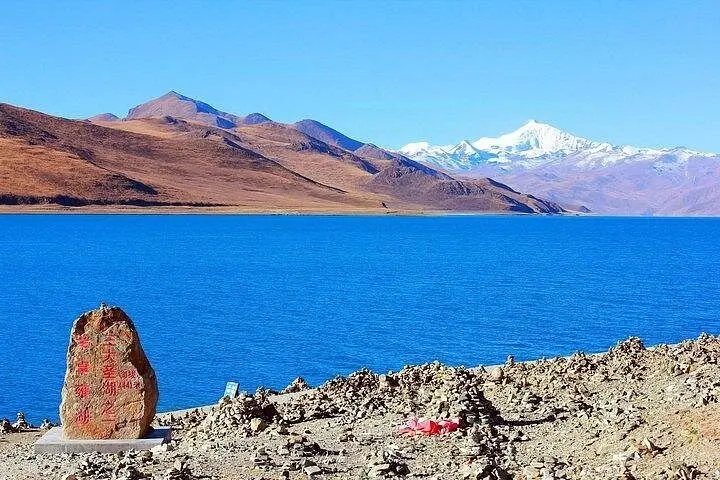
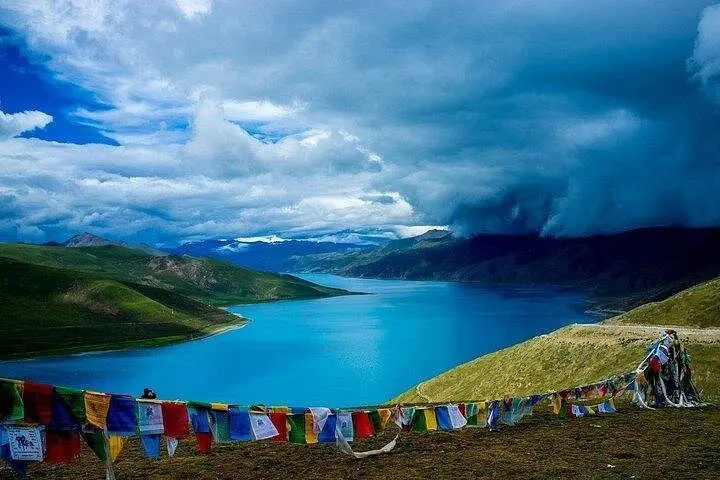
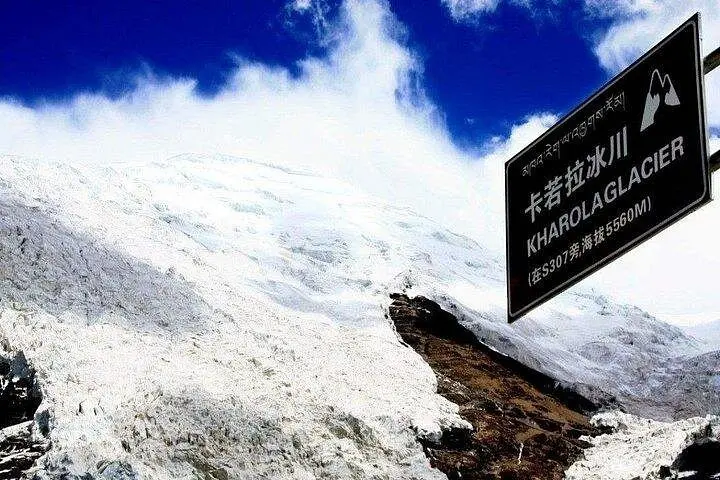
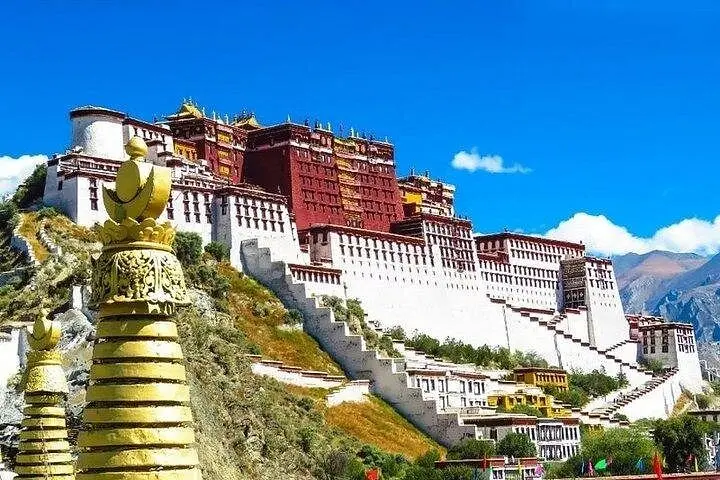
You step off the train into Lhasa and the thin air feels like a hand on your chest — sharp, austere, honest. The Potala Palace towers above the valley, white and red walls catching light while prayer flags stitch color across rooftops. Over the next six days the landscape will change from city streets threaded with pilgrims to the bright turquoise of Yamdrok Lake and the ragged blue-white of Karo Glacier, each place pushing a different rhythm on your breath and pace.
You step off the train into Lhasa and the thin air feels like a hand on your chest — sharp, austere, honest. The Potala Palace towers above the valley, white and red walls catching light while prayer flags stitch color across rooftops. Over the next six days the landscape will change from city streets threaded with pilgrims to the bright turquoise of Yamdrok Lake and the ragged blue-white of Karo Glacier, each place pushing a different rhythm on your breath and pace.
Potala and Jokhang map Tibet's spiritual and political history: royal seats, centuries of religious practice and the living hum of Barkhor's circumambulation. Gyantse's Kumbum Stupa stitches sacred art and architecture, while Tashilunpo in Shigatse guards the gilded Maitreya and Panchen Lama tombs. Geologically, you're on the high Tibetan Plateau — uplifted rock, glacial shoulders, and lakes held in basins carved by ice and fault.
Practically, expect long drives (Lhasa–Gyantse–Shigatse ~370 km total on day four), high altitudes (3,650–4,400 m typical), and simple city hotels with dorm-style stays at remote stops. The tour includes permits, local English-speaking guides, airport/train transfers and oxygen tanks for excursions outside Lhasa. Acclimatize on day one, sip water, move deliberately. Pack sun protection, layered clothing and sturdy shoes for uneven temple courtyards and short glacier walks. Timing matters: mornings bring clearer light for lake vistas and late afternoons warm the bricks of Barkhor Street. This trip balances cultural immersion with moving through a landscape that demands respect — prepare for altitude, keep a flexible itinerary, and let the plateau change your tempo.