THE ADVENTURE COLLECTIVE® · Independent discovery and booking for outdoor travel

Cover three of Lima’s most iconic districts in a single, three-hour small-group tour. See the pre-Hispanic Huaca Pucllana, stroll under centuries-old olives in San Isidro and wander Barranco’s colorful streets with a local guide.
Cover three of Lima’s most iconic districts in a single, three-hour small-group tour. See the pre-Hispanic Huaca Pucllana, stroll under centuries-old olives in San Isidro and wander Barranco’s colorful streets with a local guide.
You step out onto the Miraflores cliff path and the Pacific hits the senses first: salt air, a steady surf hymn and the mosaic curves of benches framing the horizon. The tour unfolds like a measured walk through Lima’s living chapters — an adobe pyramid tucked into a modern neighborhood, olive trees older than the republic, then the paint-splashed alleys of Barranco where street art keeps time with coastal breezes.
Verified experiences and guided adventures in the surrounding area.
Operated by Lima Highlights Tours · Lima, Lima
You step out onto the Miraflores cliff path and the Pacific hits the senses first: salt air, a steady surf hymn and the mosaic curves of benches framing the horizon. The tour unfolds like a measured walk through Lima’s living chapters — an adobe pyramid tucked into a modern neighborhood, olive trees older than the republic, then the paint-splashed alleys of Barranco where street art keeps time with coastal breezes.
This short route traces the city’s arc: Huaca Pucllana, a pre-Hispanic adobe and clay pyramid built between roughly 200–700 A.D., anchors Miraflores’ ancient past. San Isidro’s El Olivar preserves centuries-old olive trees imported in colonial and republican eras. Barranco, Lima’s bohemian quarter, emerged in the 19th and 20th centuries as an artist enclave; the Bridge of Sighs and nearby galleries reflect that creative lineage.
Practically, the tour is three hours with an air-conditioned vehicle linking stops and modest walking segments (expect 1–2 miles on paved streets, cliff paths and park walkways). Surfaces are flat to gently sloped; elevation change is minimal. Carry water, sun protection and a camera — photography is welcome at public viewpoints, though Huaca Pucllana should be viewed from designated platforms. Local guides explain cultural context and point out conservation needs: stay on paths, don’t climb the ruins and respect municipal green spaces.
This is an efficient primer on Lima’s coastal districts — accessible, sensory and packed with neighborhood stories — ideal for first-time visitors wanting a compact, informed introduction to the city.
Pick-up and drop-off are provided in central Lima neighborhoods (Miraflores, Barranco, San Isidro or Lima Center) — confirm your pickup point at booking.
The tour views Huaca Pucllana from an exterior viewpoint; access to interiors is not included — check for separate museum hours if you want to enter.
Yes; the itinerary involves mostly short, flat walks and vehicle transport between districts, making it family- and senior-friendly with basic mobility.
Photography is allowed at public parks and viewpoints; please avoid flash and follow any onsite signage, especially near archaeological areas.
Lima Highlights Tours operates guided outdoor trips and adventures with an emphasis on safety, stewardship, and memorable experiences.
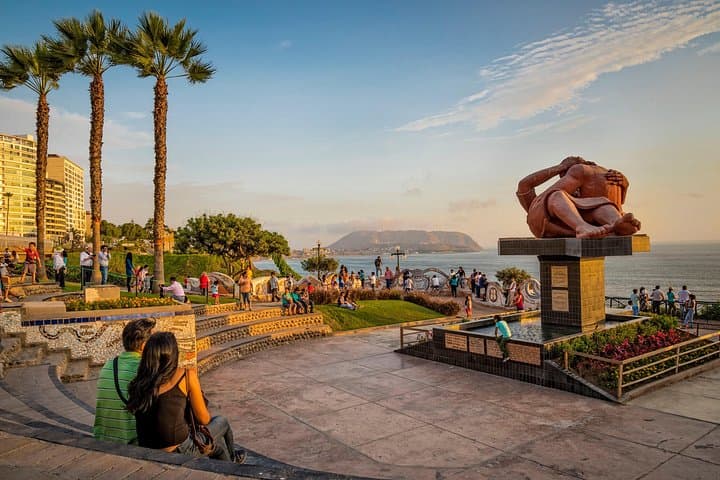
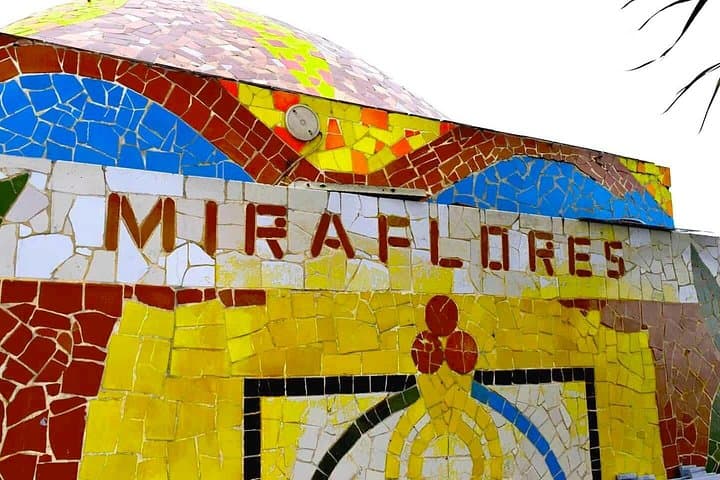
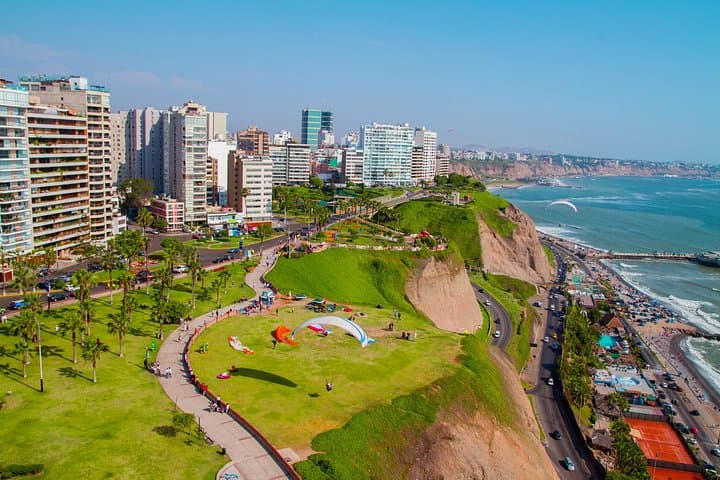
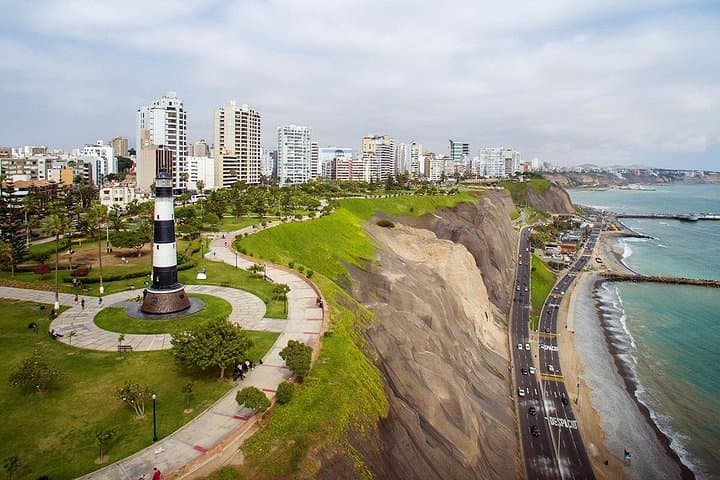
You step out onto the Miraflores cliff path and the Pacific hits the senses first: salt air, a steady surf hymn and the mosaic curves of benches framing the horizon. The tour unfolds like a measured walk through Lima’s living chapters — an adobe pyramid tucked into a modern neighborhood, olive trees older than the republic, then the paint-splashed alleys of Barranco where street art keeps time with coastal breezes.
You step out onto the Miraflores cliff path and the Pacific hits the senses first: salt air, a steady surf hymn and the mosaic curves of benches framing the horizon. The tour unfolds like a measured walk through Lima’s living chapters — an adobe pyramid tucked into a modern neighborhood, olive trees older than the republic, then the paint-splashed alleys of Barranco where street art keeps time with coastal breezes.
This short route traces the city’s arc: Huaca Pucllana, a pre-Hispanic adobe and clay pyramid built between roughly 200–700 A.D., anchors Miraflores’ ancient past. San Isidro’s El Olivar preserves centuries-old olive trees imported in colonial and republican eras. Barranco, Lima’s bohemian quarter, emerged in the 19th and 20th centuries as an artist enclave; the Bridge of Sighs and nearby galleries reflect that creative lineage.
Practically, the tour is three hours with an air-conditioned vehicle linking stops and modest walking segments (expect 1–2 miles on paved streets, cliff paths and park walkways). Surfaces are flat to gently sloped; elevation change is minimal. Carry water, sun protection and a camera — photography is welcome at public viewpoints, though Huaca Pucllana should be viewed from designated platforms. Local guides explain cultural context and point out conservation needs: stay on paths, don’t climb the ruins and respect municipal green spaces.
This is an efficient primer on Lima’s coastal districts — accessible, sensory and packed with neighborhood stories — ideal for first-time visitors wanting a compact, informed introduction to the city.