THE ADVENTURE COLLECTIVE® · Independent discovery and booking for outdoor travel

Travel from Guilin to Xing'an to walk beside the Ling Canal, a 2,000-year-old engineering feat that still channels water between the Xiang and Li rivers. This private day trip blends history, quiet riverside paths and optional short boating for a close-up of China’s early hydraulic genius.
Travel from Guilin to Xing'an to walk beside the Ling Canal, a 2,000-year-old engineering feat that still channels water between the Xiang and Li rivers. This private day trip blends history, quiet riverside paths and optional short boating for a close-up of China’s early hydraulic genius.
A low mist lifts off the flat water as your private car threads north from Guilin, rice terraces sliding by like green pages. By the time you arrive in Xing'an County the canal's stonework has the quiet authority of something that has been moving people and goods for two millennia. Walks hug the bank; herons tilt their heads and the current seems to dare you to follow it.
Verified experiences and guided adventures in the surrounding area.
Operated by happychinatours · Xing'an County, Guangxi
A low mist lifts off the flat water as your private car threads north from Guilin, rice terraces sliding by like green pages. By the time you arrive in Xing'an County the canal's stonework has the quiet authority of something that has been moving people and goods for two millennia. Walks hug the bank; herons tilt their heads and the current seems to dare you to follow it.
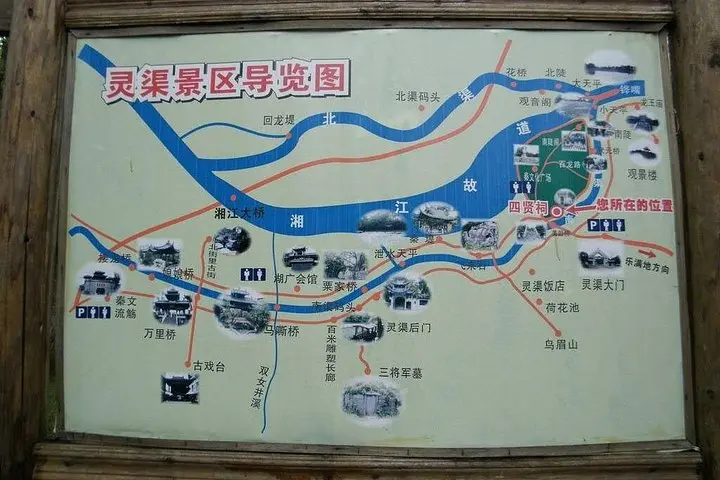
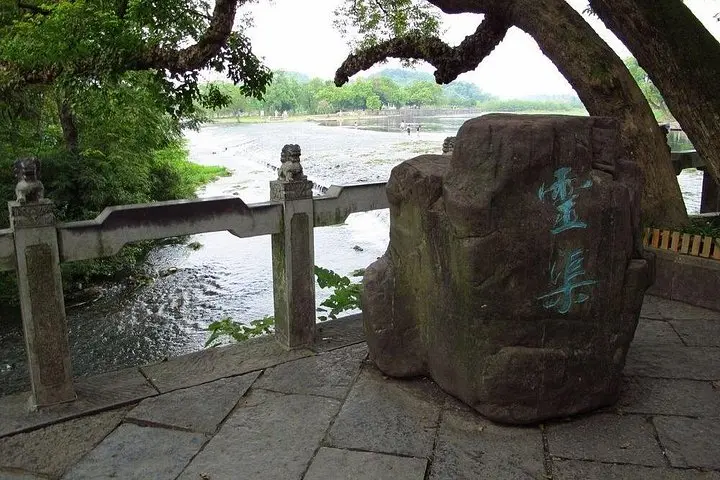
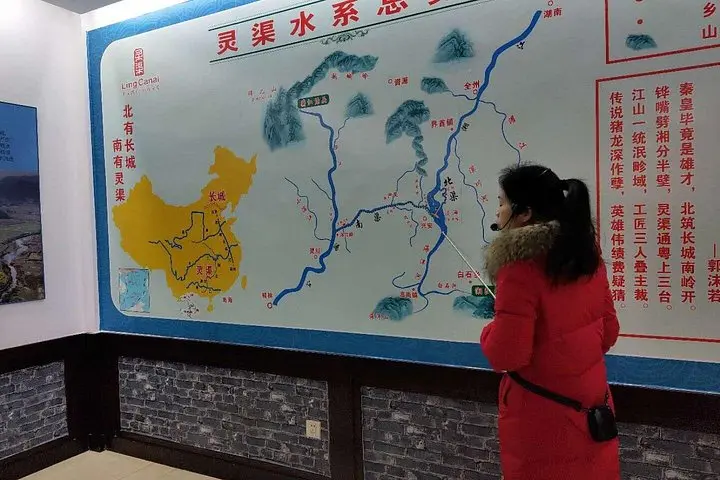
Built between 219–214 BC to link tributaries of the Xiang and Li rivers, the Ling Canal (Lingqu) is one of China’s earliest large hydraulic projects and a key element in Qin-era logistics. The cut rock, ancient sluices and traditional riverside architecture reveal local craftsmanship and the strategic needs of imperial China. Geologically the corridor runs through low karst hills typical of the Guilin region; expect limestone outcrops and shallow terraces rather than steep peaks.
Culturally, the canal shaped settlement patterns here — small market villages and temple complexes grew around crossings and locks. Modern conservation recognizes Ling Canal on the Heritage Irrigation list, but much of its charm is the everyday life along its towpaths.
Practical guidance: allow about 6–7 hours for round-trip transfer plus time on site; wear grippy walking shoes for uneven stone paths and bring a lightweight rain layer in spring and summer. If you opt for the short boat ride, secure belongings against splash and follow your guide's safety briefing. Morning light is best for photos and cooler walking; afternoons are warmer and busier with local activity.
The drive is about 70 km and typically takes around 2 hours each way depending on traffic and pickup point in Guilin.
Boating is usually optional; your guide can arrange a short local boat to explore narrower stretches if you choose and if conditions allow.
Many canal-side paths are relatively flat, and the tour notes wheelchair and stroller accessibility, but some historic sections have steps or uneven stone that may limit full access.
The tour states that the entrance ticket is included; confirm at booking if any special exhibits or separate boat fees are extra.
happychinatours operates guided outdoor trips and adventures with an emphasis on safety, stewardship, and memorable experiences.
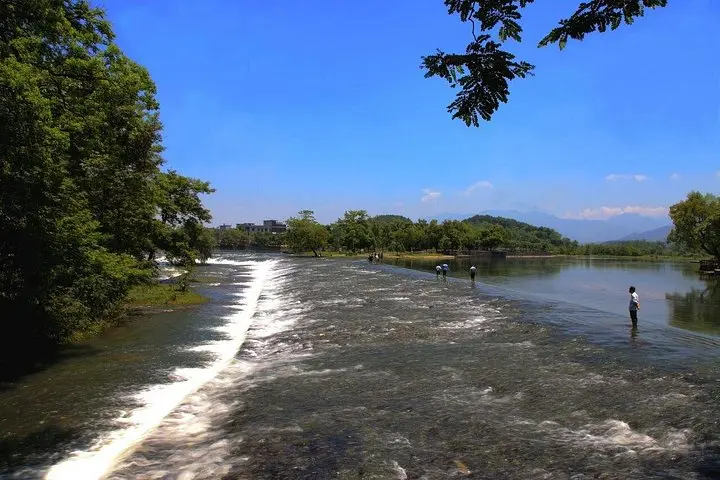
A low mist lifts off the flat water as your private car threads north from Guilin, rice terraces sliding by like green pages. By the time you arrive in Xing'an County the canal's stonework has the quiet authority of something that has been moving people and goods for two millennia. Walks hug the bank; herons tilt their heads and the current seems to dare you to follow it.
A low mist lifts off the flat water as your private car threads north from Guilin, rice terraces sliding by like green pages. By the time you arrive in Xing'an County the canal's stonework has the quiet authority of something that has been moving people and goods for two millennia. Walks hug the bank; herons tilt their heads and the current seems to dare you to follow it.
Built between 219–214 BC to link tributaries of the Xiang and Li rivers, the Ling Canal (Lingqu) is one of China’s earliest large hydraulic projects and a key element in Qin-era logistics. The cut rock, ancient sluices and traditional riverside architecture reveal local craftsmanship and the strategic needs of imperial China. Geologically the corridor runs through low karst hills typical of the Guilin region; expect limestone outcrops and shallow terraces rather than steep peaks.
Culturally, the canal shaped settlement patterns here — small market villages and temple complexes grew around crossings and locks. Modern conservation recognizes Ling Canal on the Heritage Irrigation list, but much of its charm is the everyday life along its towpaths.
Practical guidance: allow about 6–7 hours for round-trip transfer plus time on site; wear grippy walking shoes for uneven stone paths and bring a lightweight rain layer in spring and summer. If you opt for the short boat ride, secure belongings against splash and follow your guide's safety briefing. Morning light is best for photos and cooler walking; afternoons are warmer and busier with local activity.