THE ADVENTURE COLLECTIVE® · Independent discovery and booking for outdoor travel

Walk Liverpool’s waterfront with a guide who traces the city’s rise from the Old Dock to the Three Graces. This two-hour, accessible tour mixes architectural highlights with candid history and stops at the Albert Dock and Town Hall.
Walk Liverpool’s waterfront with a guide who traces the city’s rise from the Old Dock to the Three Graces. This two-hour, accessible tour mixes architectural highlights with candid history and stops at the Albert Dock and Town Hall.
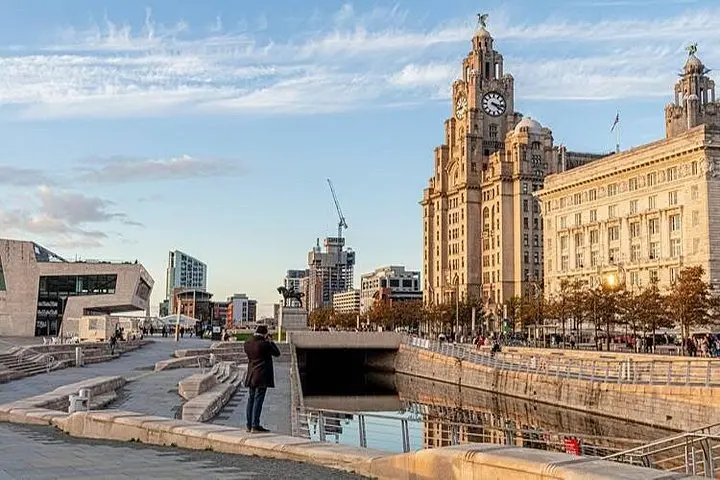
You step out onto the Pier Head and the Mersey answers—salted air tugging at your collar as the three great buildings of Liverpool stand like urban cliffs against the river. The guide draws a line through time: stone warehouses, carved friezes, and the glass window in Thomas Steers Way that reveals the footprint of the Old Dock beneath your feet.
Verified experiences and guided adventures in the surrounding area.
Operated by LiverpoolGO · Liverpool, Merseyside
You step out onto the Pier Head and the Mersey answers—salted air tugging at your collar as the three great buildings of Liverpool stand like urban cliffs against the river. The guide draws a line through time: stone warehouses, carved friezes, and the glass window in Thomas Steers Way that reveals the footprint of the Old Dock beneath your feet.
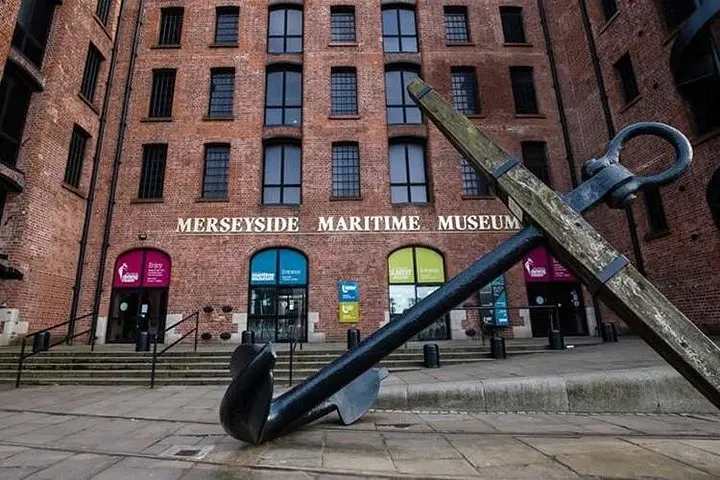
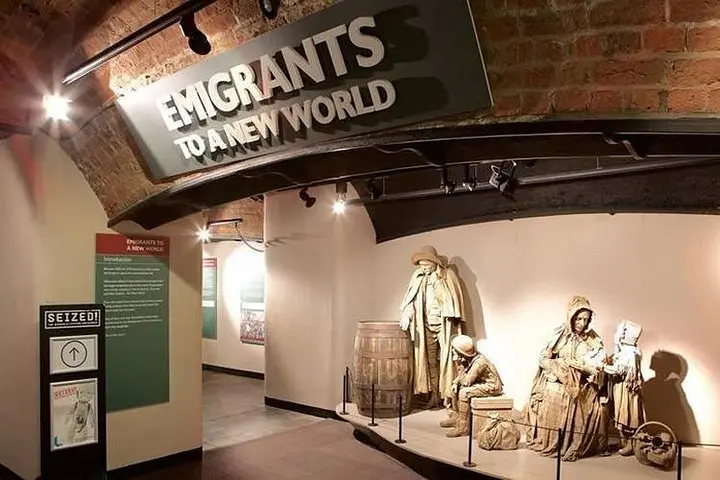
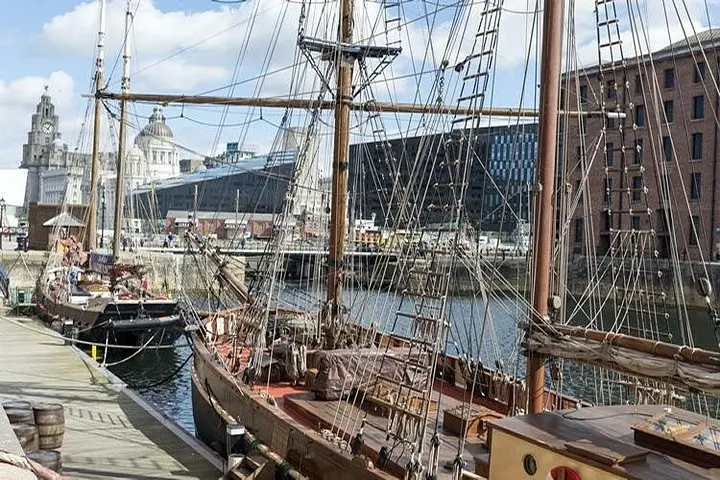
This compact two-hour route traces Liverpool’s boom from the opening of the Old Dock in 1715 through the port’s 19th- and early-20th-century apex. Expect the Royal Liver Building, Cunard and Mersey Docks buildings, the Town Hall frieze, and the Church of Our Lady and St Nicholas—sites that reflect maritime engineering, mercantile wealth, and the darker ties to transatlantic slavery. The Albert Dock and the Maritime, International Slavery and Tate galleries sit along the way, inviting deeper visits after the walk.
Terrain is urban and flat—paved streets, cobbles and pedestrian plazas—about 1.5–2 miles (2.5–3.5 km) of steady walking with frequent stops. There’s almost no elevation gain; the pace suits most walkers and prams and the route is wheelchair accessible.
Practicalities: tours run with a minimum of two people and typically hold up to a dozen. Bring waterproof layers and comfortable shoes; mornings and late afternoons provide the best light for photography and cooler temperatures in summer. If you want to read the detail behind the carvings and docks, arrive with questions—guides expect curiosity and can point you toward museums, archives, and less-visited corners of the waterfront.
Most tours meet at Pier Head by the Royal Liver Building; check your booking confirmation for the exact meeting point and time.
Yes—the route is designed to be wheelchair and stroller accessible with paved paths, though some cobbled sections may be slightly uneven.
This listing is for an English-language guide; private or specialized language tours may be available on request through the operator.
For a full refund cancel at least 24 hours before departure; the tour may be canceled for bad weather or if minimum numbers are not met.
LiverpoolGO operates guided outdoor trips and adventures with an emphasis on safety, stewardship, and memorable experiences.
You step out onto the Pier Head and the Mersey answers—salted air tugging at your collar as the three great buildings of Liverpool stand like urban cliffs against the river. The guide draws a line through time: stone warehouses, carved friezes, and the glass window in Thomas Steers Way that reveals the footprint of the Old Dock beneath your feet.
You step out onto the Pier Head and the Mersey answers—salted air tugging at your collar as the three great buildings of Liverpool stand like urban cliffs against the river. The guide draws a line through time: stone warehouses, carved friezes, and the glass window in Thomas Steers Way that reveals the footprint of the Old Dock beneath your feet.
This compact two-hour route traces Liverpool’s boom from the opening of the Old Dock in 1715 through the port’s 19th- and early-20th-century apex. Expect the Royal Liver Building, Cunard and Mersey Docks buildings, the Town Hall frieze, and the Church of Our Lady and St Nicholas—sites that reflect maritime engineering, mercantile wealth, and the darker ties to transatlantic slavery. The Albert Dock and the Maritime, International Slavery and Tate galleries sit along the way, inviting deeper visits after the walk.
Terrain is urban and flat—paved streets, cobbles and pedestrian plazas—about 1.5–2 miles (2.5–3.5 km) of steady walking with frequent stops. There’s almost no elevation gain; the pace suits most walkers and prams and the route is wheelchair accessible.
Practicalities: tours run with a minimum of two people and typically hold up to a dozen. Bring waterproof layers and comfortable shoes; mornings and late afternoons provide the best light for photography and cooler temperatures in summer. If you want to read the detail behind the carvings and docks, arrive with questions—guides expect curiosity and can point you toward museums, archives, and less-visited corners of the waterfront.