THE ADVENTURE COLLECTIVE® · Independent discovery and booking for outdoor travel

Walk Ljubljana with an English-speaking local guide and cover Roman ruins, Plečnik architecture, the Dragon Bridge and the riverside market in two hours. Perfect for first-time visitors who want compact history, culture and local color.
Walk Ljubljana with an English-speaking local guide and cover Roman ruins, Plečnik architecture, the Dragon Bridge and the riverside market in two hours. Perfect for first-time visitors who want compact history, culture and local color.
The guide waits in the middle of Prešeren Square as the Ljubljanica moves like a silver ribbon through the city, daring you to follow its bends. Cobbled streets open to baroque facades, dragon-guarded bridges and the chatter of a riverside market — everything condensed into two deliberate hours.
Verified experiences and guided adventures in the surrounding area.
Operated by Slovenia Activities · Ljubljana, Central Slovenia
The guide waits in the middle of Prešeren Square as the Ljubljanica moves like a silver ribbon through the city, daring you to follow its bends. Cobbled streets open to baroque facades, dragon-guarded bridges and the chatter of a riverside market — everything condensed into two deliberate hours.
The route threads Roman foundations and medieval lanes into Plečnik’s early-20th-century interventions: the Triple Bridges, Dragon Bridge and the geometric clarity of the National and University Library. Geology is subtle here — karst-fed springs supply the river that shaped the valley — while Ljubljana’s cultural arc runs from a Roman castrum to Habsburg governance and 20th-century modernism.
Local life centers around the Central Market and the Ljubljanica’s banks: vendors calling out produce, students cramming under library eaves, and café tables aligned like observation points. The guide sheds light on civic planning, the myth of the city dragon, and how Plečnik’s vision turned a provincial town into a walkable capital.
Practical guidance: meet on Prešeren Square; expect paved surfaces and short stair sections. Bring a refillable bottle and light rain protection — summer sun can be strong, spring and autumn bring fickle showers. The pace is steady but accessible, with photo stops at Robba Fountain and Shoemakers’ Bridge. This tour is ideal for first-time visitors who want context delivered efficiently — history, architecture and everyday rhythms rolled into a tidy urban circuit.
The guide meets and finishes in the middle of Prešeren Square next to the main statue, easy to find from the Triple Bridges.
The provider lists the tour as wheelchair accessible, but note there are some cobbled areas and short steps—contact the operator if you need specific accommodations.
All highlights on the route are public spaces; no entrance fees are typically required for the stops described.
The advertised tour is conducted in English by an experienced local guide.
Slovenia Activities operates guided outdoor trips and adventures with an emphasis on safety, stewardship, and memorable experiences.
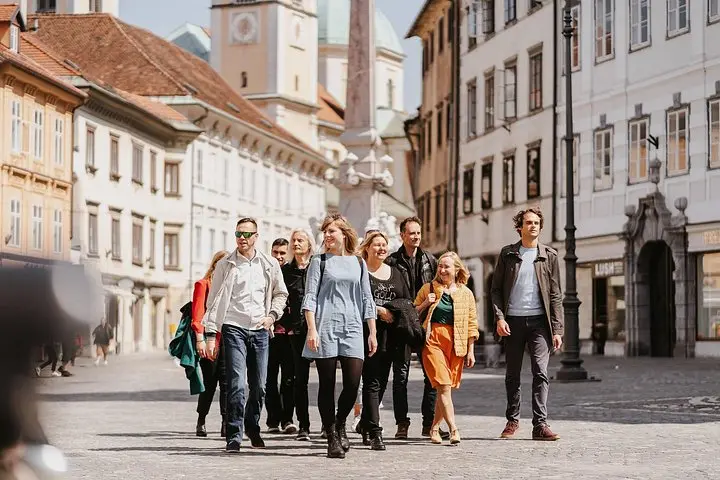
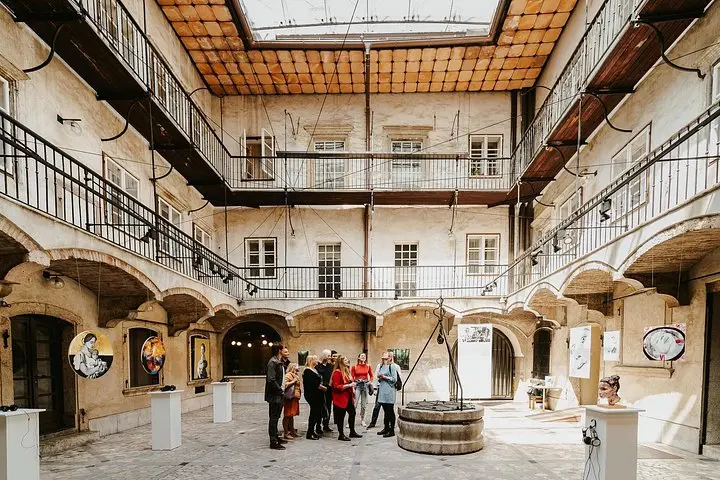
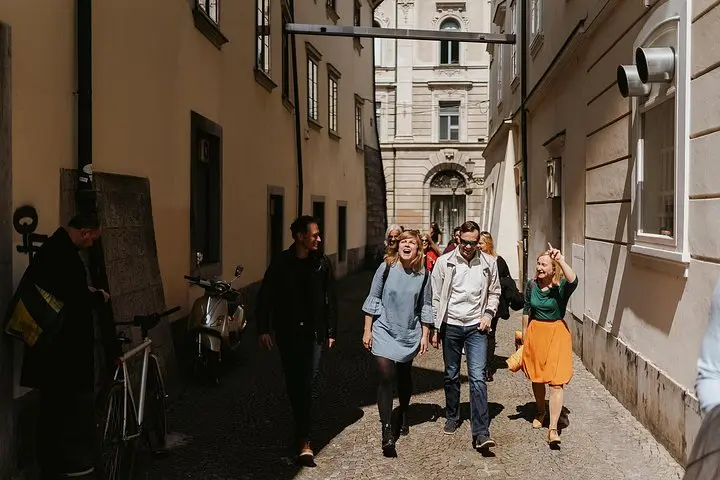

The guide waits in the middle of Prešeren Square as the Ljubljanica moves like a silver ribbon through the city, daring you to follow its bends. Cobbled streets open to baroque facades, dragon-guarded bridges and the chatter of a riverside market — everything condensed into two deliberate hours.
The guide waits in the middle of Prešeren Square as the Ljubljanica moves like a silver ribbon through the city, daring you to follow its bends. Cobbled streets open to baroque facades, dragon-guarded bridges and the chatter of a riverside market — everything condensed into two deliberate hours.
The route threads Roman foundations and medieval lanes into Plečnik’s early-20th-century interventions: the Triple Bridges, Dragon Bridge and the geometric clarity of the National and University Library. Geology is subtle here — karst-fed springs supply the river that shaped the valley — while Ljubljana’s cultural arc runs from a Roman castrum to Habsburg governance and 20th-century modernism.
Local life centers around the Central Market and the Ljubljanica’s banks: vendors calling out produce, students cramming under library eaves, and café tables aligned like observation points. The guide sheds light on civic planning, the myth of the city dragon, and how Plečnik’s vision turned a provincial town into a walkable capital.
Practical guidance: meet on Prešeren Square; expect paved surfaces and short stair sections. Bring a refillable bottle and light rain protection — summer sun can be strong, spring and autumn bring fickle showers. The pace is steady but accessible, with photo stops at Robba Fountain and Shoemakers’ Bridge. This tour is ideal for first-time visitors who want context delivered efficiently — history, architecture and everyday rhythms rolled into a tidy urban circuit.