THE ADVENTURE COLLECTIVE® · Independent discovery and booking for outdoor travel

Drive the island of Oahu to see the real locations used in LOST, classic movies, and Hawaii Five-0. This full-day tour mixes easy walks, guided storytelling, and frequent photo stops across the North Shore, South Shore and Circle Island routes.
Drive the island of Oahu to see the real locations used in LOST, classic movies, and Hawaii Five-0. This full-day tour mixes easy walks, guided storytelling, and frequent photo stops across the North Shore, South Shore and Circle Island routes.
You turn a corner on a quiet coastal road and a strip of sand snaps into view—the same sand you’ve seen on screen, sunburnt and raw, with waves that seem to audition for drama. The guide dims the engine and points: a palm-fringed inlet becomes a scene, a jungle gorge becomes a backstory. The day moves like a film reel—stops for shots, short walks, and stories about how landscapes doubled as fictional islands.
Verified experiences and guided adventures in the surrounding area.
Operated by GAB PRODUCTIONS LLC · Honolulu, Hawaii
You turn a corner on a quiet coastal road and a strip of sand snaps into view—the same sand you’ve seen on screen, sunburnt and raw, with waves that seem to audition for drama. The guide dims the engine and points: a palm-fringed inlet becomes a scene, a jungle gorge becomes a backstory. The day moves like a film reel—stops for shots, short walks, and stories about how landscapes doubled as fictional islands.
Oahu is volcanic architecture: eroded shield volcanoes, jagged ridgelines, and low coral plains. Many LOST locations are on the island’s windward valleys and sheltered bays formed by older lava flows cut by rain. Cultural threads run deeper than scenery—places like Kualoa have long Hawaiian histories as sacred land and strategic fishponds before they became backdrops for TV. Military roads, plantation-era towns, and sacred temple sites like Byodo-In offer context between takes.
Practically, expect minimal hiking but lots of on-and-off the van for photos and viewpoints. Guides weave film trivia with explanations of geology and Hawaiian history, and most group tours run a full day with a noon lunch stop on the Circle Island route. Bring sun protection, a charged camera, and a flexible attitude—the ocean and weather often rewrite the schedule.
If your goal is photography, plan for morning or late afternoon light; if you want quieter stops, request off-peak or private options when booking. Respect private property, keep distance from wildlife, and let the island’s often-surprising weather guide your pacing.
The full-day Circle Island tour runs about 8 hours; North Shore and South Shore options are shorter but still allow multiple stops.
Most paid location entry fees are included on the Circle Island tour; confirm specific stops and any optional extras like Waimea Valley ahead of time.
Yes—tours are described as physically easy with minimal walking; they can often accommodate strollers and infants with advance notice.
Guides often customize routes for private or small-group tours if you request preferred filming locations in advance.
GAB PRODUCTIONS LLC operates guided outdoor trips and adventures with an emphasis on safety, stewardship, and memorable experiences.
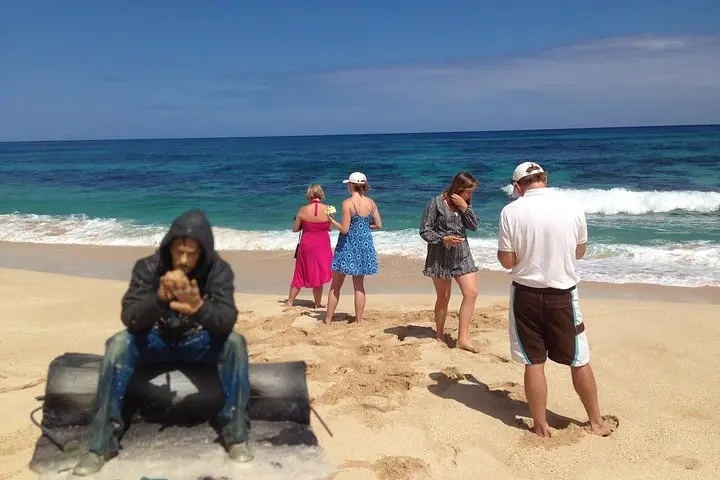

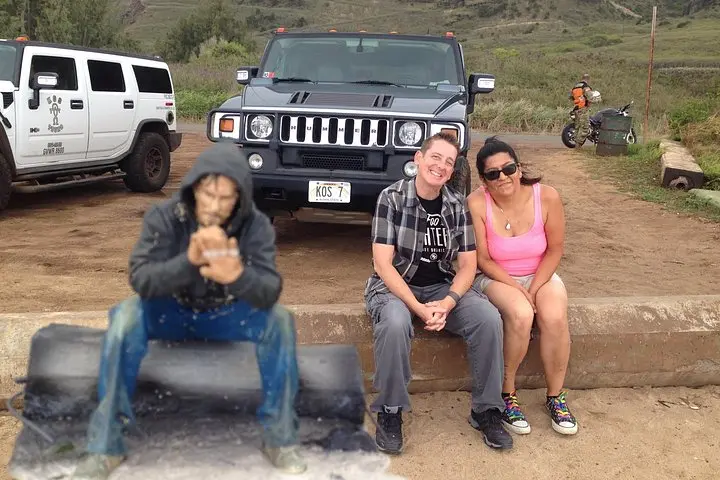
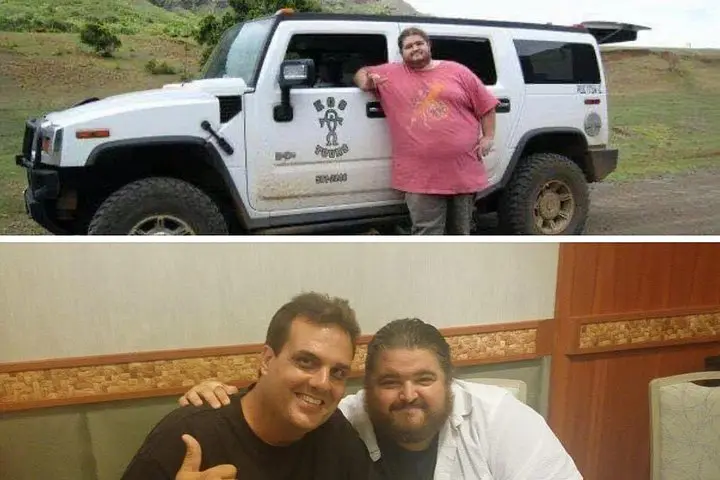
You turn a corner on a quiet coastal road and a strip of sand snaps into view—the same sand you’ve seen on screen, sunburnt and raw, with waves that seem to audition for drama. The guide dims the engine and points: a palm-fringed inlet becomes a scene, a jungle gorge becomes a backstory. The day moves like a film reel—stops for shots, short walks, and stories about how landscapes doubled as fictional islands.
You turn a corner on a quiet coastal road and a strip of sand snaps into view—the same sand you’ve seen on screen, sunburnt and raw, with waves that seem to audition for drama. The guide dims the engine and points: a palm-fringed inlet becomes a scene, a jungle gorge becomes a backstory. The day moves like a film reel—stops for shots, short walks, and stories about how landscapes doubled as fictional islands.
Oahu is volcanic architecture: eroded shield volcanoes, jagged ridgelines, and low coral plains. Many LOST locations are on the island’s windward valleys and sheltered bays formed by older lava flows cut by rain. Cultural threads run deeper than scenery—places like Kualoa have long Hawaiian histories as sacred land and strategic fishponds before they became backdrops for TV. Military roads, plantation-era towns, and sacred temple sites like Byodo-In offer context between takes.
Practically, expect minimal hiking but lots of on-and-off the van for photos and viewpoints. Guides weave film trivia with explanations of geology and Hawaiian history, and most group tours run a full day with a noon lunch stop on the Circle Island route. Bring sun protection, a charged camera, and a flexible attitude—the ocean and weather often rewrite the schedule.
If your goal is photography, plan for morning or late afternoon light; if you want quieter stops, request off-peak or private options when booking. Respect private property, keep distance from wildlife, and let the island’s often-surprising weather guide your pacing.