THE ADVENTURE COLLECTIVE® · Independent discovery and booking for outdoor travel

Start at the Luxor Museum and take a horse-drawn carriage along the East Bank to Karnak, Luxor Temple, the Avenue of Sphinxes and Abu Haggag Mosque. This four-hour introduction pairs local archaeology insight with an easy-paced skyline of stone and sand.
Start at the Luxor Museum and take a horse-drawn carriage along the East Bank to Karnak, Luxor Temple, the Avenue of Sphinxes and Abu Haggag Mosque. This four-hour introduction pairs local archaeology insight with an easy-paced skyline of stone and sand.
The clatter of hooves on cobbled stone announces a city that still moves at the pace of its past. You meet in front of the Luxor Museum, the guide lifts a red flag, and the horse carriage eases onto a Nile-side route where temples and modern life sit shoulder to shoulder.
Verified experiences and guided adventures in the surrounding area.
Operated by Budget Friendly Tours FZE LLC · Luxor, Luxor Governorate
The clatter of hooves on cobbled stone announces a city that still moves at the pace of its past. You meet in front of the Luxor Museum, the guide lifts a red flag, and the horse carriage eases onto a Nile-side route where temples and modern life sit shoulder to shoulder.
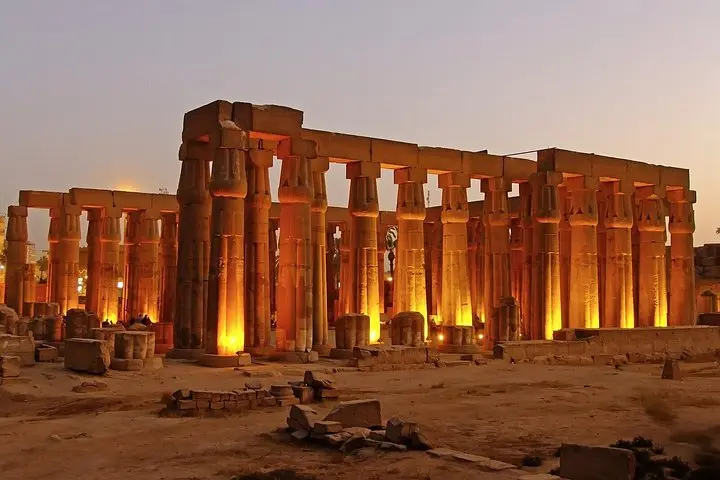
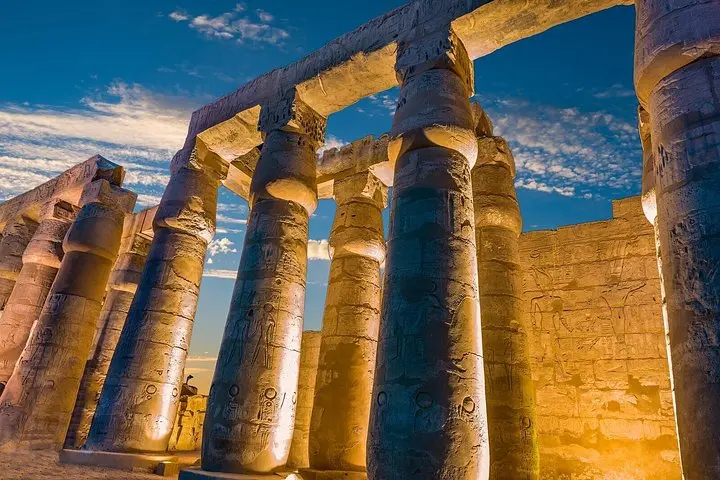
On this four-hour East Bank circuit you thread together the great public works of Thebes: the monumental pylons and colonnades of Karnak, the intimate axial lines of Luxor Temple and the newly cleared Avenue of Sphinxes. The ride gives you a different angle — columns loom above like living columns of history, vendors hawk sugarcane along the river, and the mosque of Abu Haggag occupies a chamber within earlier stonework, a visible palimpsest of faith and reuse.
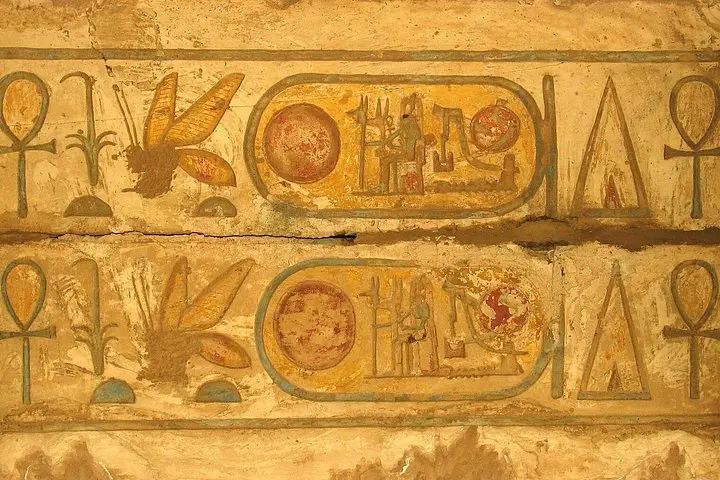
Geologically the valley is an alluvial plain carved by the Nile; buildings are limestone and sandstone hewn and reused across dynasties. Culturally, Luxor’s identity is tied to Amun-Ra and the annual rituals that anchored pharaonic power — a story your egyptologist guide will update with recent finds and ongoing digs.
Practical edge: shade and water matter more here than technique. Expect short walks from carriage to ruins on packed sand and flagstone; ticketing for major temples is separate. Wear sun protection, bring cash for entrance fees and tips, and plan this early or late in the day to avoid peak heat. For first-time visitors, the carriage tour is an efficient, low-impact way to orient yourself and learn what to return to on foot.
The meetup point is in front of the Luxor Museum; the guide will hold a red flag.
No; admissions to Karnak and Luxor Temple are usually paid on-site and are not included in the tour price.
Yes; the pace is gentle and the tour is rated easy, but the tour is not recommended for people with spinal injuries or serious cardiovascular issues.
Tours typically include an egyptologist who speaks English; other languages may be available on request.
Budget Friendly Tours FZE LLC operates guided outdoor trips and adventures with an emphasis on safety, stewardship, and memorable experiences.

The clatter of hooves on cobbled stone announces a city that still moves at the pace of its past. You meet in front of the Luxor Museum, the guide lifts a red flag, and the horse carriage eases onto a Nile-side route where temples and modern life sit shoulder to shoulder.
The clatter of hooves on cobbled stone announces a city that still moves at the pace of its past. You meet in front of the Luxor Museum, the guide lifts a red flag, and the horse carriage eases onto a Nile-side route where temples and modern life sit shoulder to shoulder.
On this four-hour East Bank circuit you thread together the great public works of Thebes: the monumental pylons and colonnades of Karnak, the intimate axial lines of Luxor Temple and the newly cleared Avenue of Sphinxes. The ride gives you a different angle — columns loom above like living columns of history, vendors hawk sugarcane along the river, and the mosque of Abu Haggag occupies a chamber within earlier stonework, a visible palimpsest of faith and reuse.
Geologically the valley is an alluvial plain carved by the Nile; buildings are limestone and sandstone hewn and reused across dynasties. Culturally, Luxor’s identity is tied to Amun-Ra and the annual rituals that anchored pharaonic power — a story your egyptologist guide will update with recent finds and ongoing digs.
Practical edge: shade and water matter more here than technique. Expect short walks from carriage to ruins on packed sand and flagstone; ticketing for major temples is separate. Wear sun protection, bring cash for entrance fees and tips, and plan this early or late in the day to avoid peak heat. For first-time visitors, the carriage tour is an efficient, low-impact way to orient yourself and learn what to return to on foot.