THE ADVENTURE COLLECTIVE® · Independent discovery and booking for outdoor travel

Walk through monumental corridors and intimate galleries on a private East Bank tour of Karnak, Luxor Temple and the Luxor Museum. This 4–5 hour experience pairs grand architecture with curated artifacts—ideal for first-time visitors who want context and convenience.
Walk through monumental corridors and intimate galleries on a private East Bank tour of Karnak, Luxor Temple and the Luxor Museum. This 4–5 hour experience pairs grand architecture with curated artifacts—ideal for first-time visitors who want context and convenience.
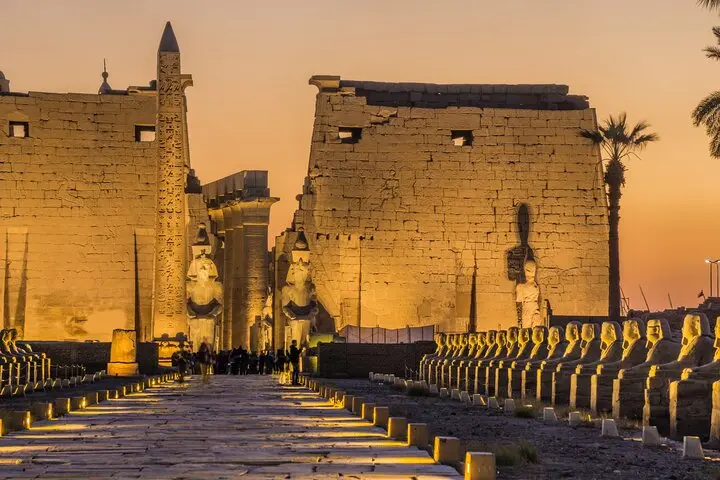
Dust rises from the avenue as you step from an air‑conditioned van onto the hot flagstones of Luxor’s East Bank. Columns tower like an ancient forest; stone sphinxes stare down the line of your path. The Nile murmurs nearby, daring you to slow and listen to centuries of ceremonies etched into sandstone.
Verified experiences and guided adventures in the surrounding area.
Operated by NORTH AFRICAN SHIPPING AND TOURISM COMPANY (NASCO TOURS) · Luxor, Luxor Governorate
Dust rises from the avenue as you step from an air‑conditioned van onto the hot flagstones of Luxor’s East Bank. Columns tower like an ancient forest; stone sphinxes stare down the line of your path. The Nile murmurs nearby, daring you to slow and listen to centuries of ceremonies etched into sandstone.
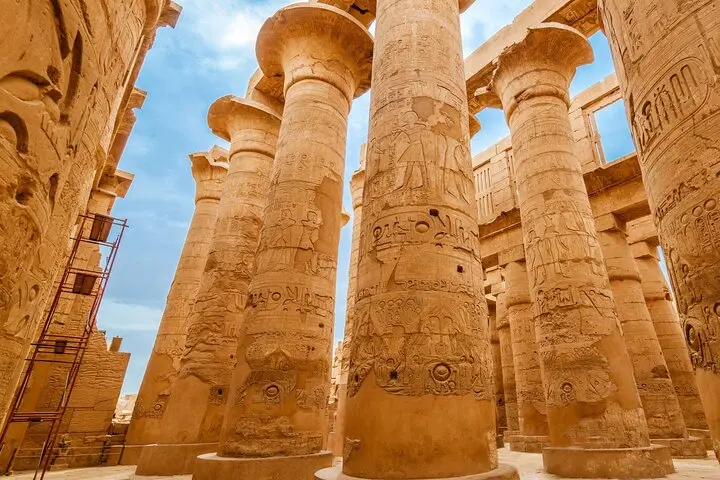
The day moves from monumental to intimate. At Karnak, the Hypostyle Hall’s 134 gigantic columns create a canyon of carved reliefs and cartouches; the Sacred Lake reflects the sun in a shallow mirror. Luxor Temple brings a different tempo—pharaonic processional halls and later Roman and Coptic additions that illustrate a living, layered city.
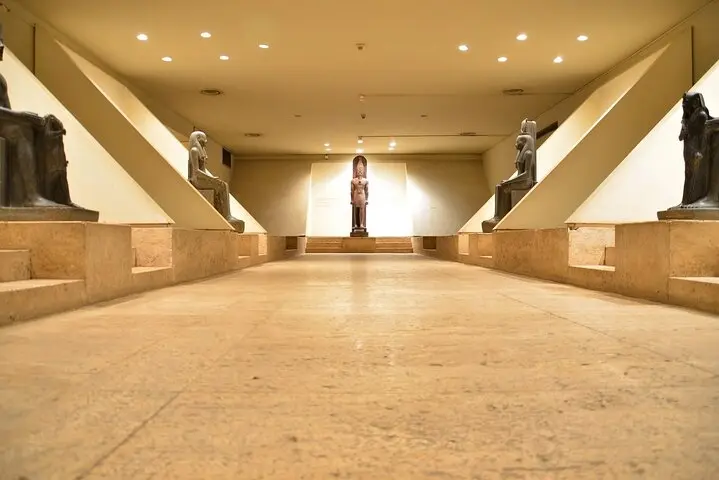
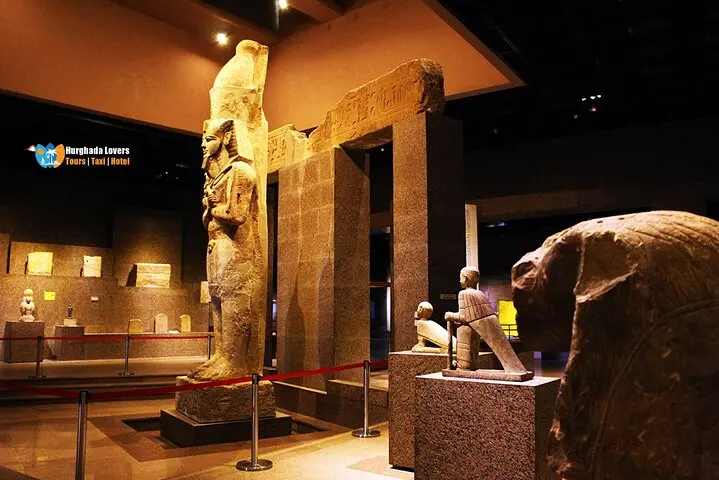
The Luxor Museum pares down the spectacle, placing fragile statuary and jewelry—some items from Tutankhamun’s tomb—behind careful glass so the workmanship speaks on its own. The landscape itself is simple geology: Nile silt plains backed by limestone escarpments, which supplied stone and shelter for successive civilizations.
Practically, this private 4–5 hour tour moves at a steady walking pace with entrance fees included; expect uneven paved surfaces, short stair sections, and considerable sun exposure. Bring a hat, water, and comfortable shoes; cameras are fine but always respect restricted sites. Morning visits ease heat and crowds; later in the afternoon the light on the obelisks softens for photography.
Local guides bridge archaeology and daily life—listen for stories about priestly processions and the modern market stalls nearby. Respect the sites: stay on paths, avoid touching carvings, and support licensed guides to keep these ruins standing for the next traveler.
Yes; this tour’s itinerary indicates admissions are included for the main sites visited.
Yes; the tour is rated easy and suitable for most fitness levels, though there is walking on uneven surfaces—ask about mobility needs when booking.
Modest, breathable clothing that covers shoulders and knees is recommended; comfortable closed‑toe shoes are important for temple grounds.
Morning visits avoid peak heat and crowds; late afternoon offers softer light for photography but can be warmer depending on season.
NORTH AFRICAN SHIPPING AND TOURISM COMPANY (NASCO TOURS) operates guided outdoor trips and adventures with an emphasis on safety, stewardship, and memorable experiences.
Dust rises from the avenue as you step from an air‑conditioned van onto the hot flagstones of Luxor’s East Bank. Columns tower like an ancient forest; stone sphinxes stare down the line of your path. The Nile murmurs nearby, daring you to slow and listen to centuries of ceremonies etched into sandstone.
Dust rises from the avenue as you step from an air‑conditioned van onto the hot flagstones of Luxor’s East Bank. Columns tower like an ancient forest; stone sphinxes stare down the line of your path. The Nile murmurs nearby, daring you to slow and listen to centuries of ceremonies etched into sandstone.
The day moves from monumental to intimate. At Karnak, the Hypostyle Hall’s 134 gigantic columns create a canyon of carved reliefs and cartouches; the Sacred Lake reflects the sun in a shallow mirror. Luxor Temple brings a different tempo—pharaonic processional halls and later Roman and Coptic additions that illustrate a living, layered city.
The Luxor Museum pares down the spectacle, placing fragile statuary and jewelry—some items from Tutankhamun’s tomb—behind careful glass so the workmanship speaks on its own. The landscape itself is simple geology: Nile silt plains backed by limestone escarpments, which supplied stone and shelter for successive civilizations.
Practically, this private 4–5 hour tour moves at a steady walking pace with entrance fees included; expect uneven paved surfaces, short stair sections, and considerable sun exposure. Bring a hat, water, and comfortable shoes; cameras are fine but always respect restricted sites. Morning visits ease heat and crowds; later in the afternoon the light on the obelisks softens for photography.
Local guides bridge archaeology and daily life—listen for stories about priestly processions and the modern market stalls nearby. Respect the sites: stay on paths, avoid touching carvings, and support licensed guides to keep these ruins standing for the next traveler.