THE ADVENTURE COLLECTIVE® · Independent discovery and booking for outdoor travel

Cover Luxor’s greatest hits in a single day: Valley of the Kings, Hatshepsut’s temple, Colossi of Memnon, Karnak and Luxor Temple with a licensed Egyptologist and private transport. Practical tips on heat, tickets, accessibility and what to expect from surfaces and walking conditions.
Cover Luxor’s greatest hits in a single day: Valley of the Kings, Hatshepsut’s temple, Colossi of Memnon, Karnak and Luxor Temple with a licensed Egyptologist and private transport. Practical tips on heat, tickets, accessibility and what to expect from surfaces and walking conditions.
By midmorning the Nile dares the desert to keep its distance: flat, light-baked plains give way to a line of palms and the low silhouette of temples that have watched millennia pass. On a single-day circuit between Luxor’s East and West banks, visitors move from cool, shadowed hypostyle halls to the exposed, sun-bleached funerary landscape of the Valley of the Kings.
Verified experiences and guided adventures in the surrounding area.
Operated by Luxor Nile Cruise · Luxor, Luxor
By midmorning the Nile dares the desert to keep its distance: flat, light-baked plains give way to a line of palms and the low silhouette of temples that have watched millennia pass. On a single-day circuit between Luxor’s East and West banks, visitors move from cool, shadowed hypostyle halls to the exposed, sun-bleached funerary landscape of the Valley of the Kings.
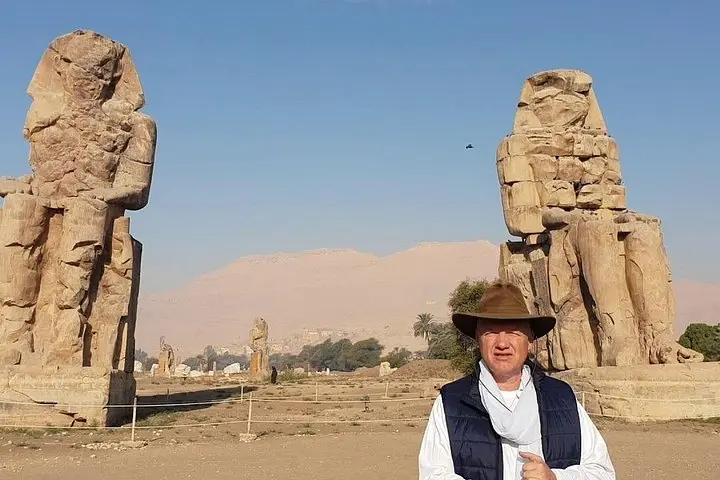
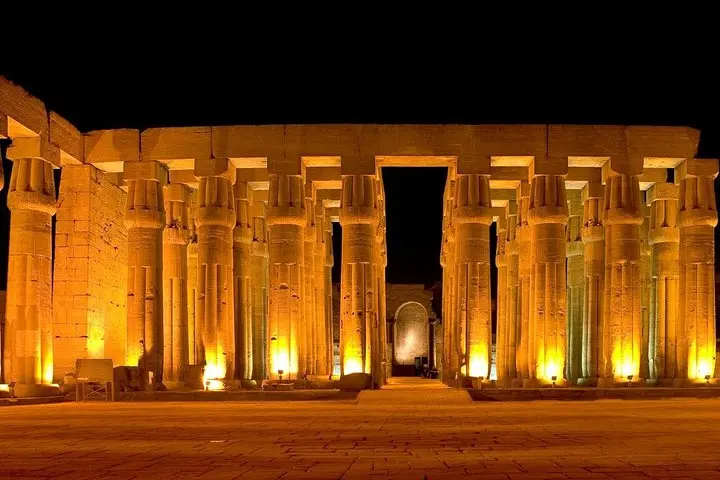
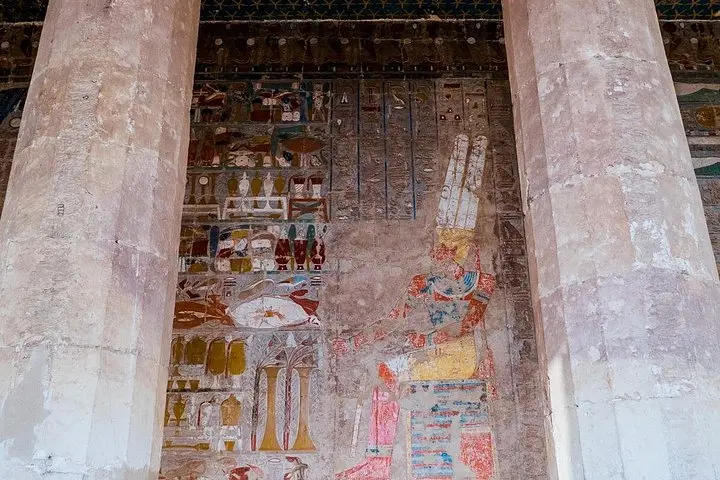
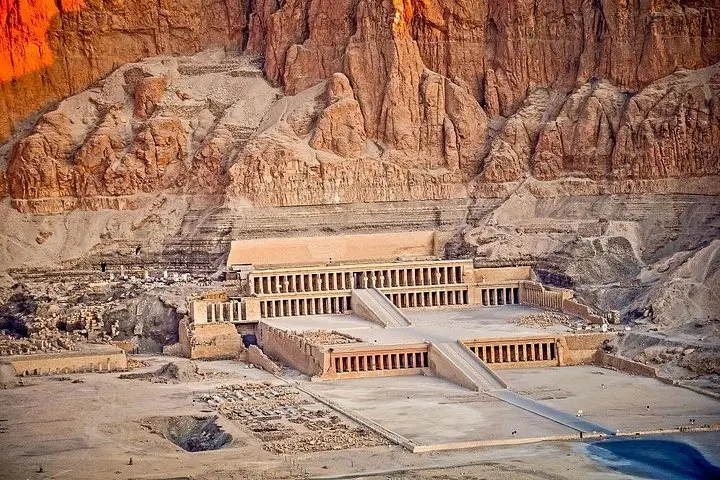
Ancient Thebes—modern Luxor—was the political and religious heart of Egypt’s New Kingdom. Karnak’s layered pylons and obelisks were built from sandstone and mudbrick foundations over centuries, while tombs in the Valley carve their narratives into limestone and rock-cut chambers. The Hatshepsut complex (El Deir El Bahari) reads like stone architecture playing with light; the Colossi of Memnon are the remaining sentinels of a vast mortuary temple.
This private, full-day itinerary typically runs 10–11 hours with hotel or cruise pickup in a climate-controlled vehicle and a licensed Egyptologist as guide; lunch and bottled water are usually provided. Expect paved temple courtyards, uneven ancient stone, short staffed staircases inside tombs and loose sand on paths. Some tombs and special chambers require extra admission purchased on site, and photography restrictions apply in select interiors.
Practical planning: start early to beat heat and crowds, carry sunscreen and a refillable water bottle, wear sturdy walking shoes for steps and rough stone, and keep modest dress for active religious sites. While several stops are wheelchair-accessible, many tomb interiors are not—confirm accessibility needs with the operator in advance. Cash for incidental fees and local tips is useful; respect preservation rules and avoid touching carved surfaces.
Most standard tours do not include the extra entrance fees for select tombs; those are usually purchased on site—bring cash for optional tombs and special chambers.
The vehicle and many temple grounds are wheelchair-accessible, but individual tomb interiors in the Valley of the Kings often have stairs and narrow passages—check specifics with the operator before booking.
Expect several hours of walking across temple complexes and short walks in the Valley; surfaces range from paved courtyards to loose sand and uneven stone.
Lightweight, breathable clothing that covers shoulders and knees is recommended for cultural sites, plus a hat, sunglasses and comfortable walking shoes for uneven terrain.
Luxor Nile Cruise operates guided outdoor trips and adventures with an emphasis on safety, stewardship, and memorable experiences.
By midmorning the Nile dares the desert to keep its distance: flat, light-baked plains give way to a line of palms and the low silhouette of temples that have watched millennia pass. On a single-day circuit between Luxor’s East and West banks, visitors move from cool, shadowed hypostyle halls to the exposed, sun-bleached funerary landscape of the Valley of the Kings.
By midmorning the Nile dares the desert to keep its distance: flat, light-baked plains give way to a line of palms and the low silhouette of temples that have watched millennia pass. On a single-day circuit between Luxor’s East and West banks, visitors move from cool, shadowed hypostyle halls to the exposed, sun-bleached funerary landscape of the Valley of the Kings.
Ancient Thebes—modern Luxor—was the political and religious heart of Egypt’s New Kingdom. Karnak’s layered pylons and obelisks were built from sandstone and mudbrick foundations over centuries, while tombs in the Valley carve their narratives into limestone and rock-cut chambers. The Hatshepsut complex (El Deir El Bahari) reads like stone architecture playing with light; the Colossi of Memnon are the remaining sentinels of a vast mortuary temple.
This private, full-day itinerary typically runs 10–11 hours with hotel or cruise pickup in a climate-controlled vehicle and a licensed Egyptologist as guide; lunch and bottled water are usually provided. Expect paved temple courtyards, uneven ancient stone, short staffed staircases inside tombs and loose sand on paths. Some tombs and special chambers require extra admission purchased on site, and photography restrictions apply in select interiors.
Practical planning: start early to beat heat and crowds, carry sunscreen and a refillable water bottle, wear sturdy walking shoes for steps and rough stone, and keep modest dress for active religious sites. While several stops are wheelchair-accessible, many tomb interiors are not—confirm accessibility needs with the operator in advance. Cash for incidental fees and local tips is useful; respect preservation rules and avoid touching carved surfaces.