THE ADVENTURE COLLECTIVE® · Independent discovery and booking for outdoor travel

Walk the Old City with a certified local guide and uncover hidden souk stalls, artisan workshops, and a café stop for Berber tea. This private half-day tour balances cultural context with practical shopping tips and on-the-ground guidance.
Walk the Old City with a certified local guide and uncover hidden souk stalls, artisan workshops, and a café stop for Berber tea. This private half-day tour balances cultural context with practical shopping tips and on-the-ground guidance.
You enter the medina and the alleys take the lead: narrow stone corridors, overhead awnings filtering the sun into warm gold, and the clink of pots and plates setting a steady tempo. On this private half-day tour travelers follow a certified local guide through the Old City’s labyrinth—past dye stalls, spice mountains, leather workshops and hidden riads—where every turn reveals an artisan at work.
Verified experiences and guided adventures in the surrounding area.
Operated by Atlas Excursion · Marrakech, Marrakesh-Safi
You enter the medina and the alleys take the lead: narrow stone corridors, overhead awnings filtering the sun into warm gold, and the clink of pots and plates setting a steady tempo. On this private half-day tour travelers follow a certified local guide through the Old City’s labyrinth—past dye stalls, spice mountains, leather workshops and hidden riads—where every turn reveals an artisan at work.
Marrakech’s medina dates back to the 11th century and the souks grew around guilds and craftspeople; the stone and earthen walls still keep that history close. Geologically, the city sits on plain soils fed by the High Atlas runoff, and the market routes historically connected Atlantic and Saharan trade. Culturally, expect a mix of Amazigh (Berber) and Arab influences: rugs, metalwork, and mint tea rituals reflect blended traditions.
Practical guidance: the route is on compacted stone and tight alleys—flat but uneven—so bring supportive shoes. Cash (dirham) is essential for many stalls; cards work at some boutiques. The guide will open doors to cooperative-run ateliers and recommend fair-shop practices, helping you avoid tourist traps. A mid-tour café stop introduces local sweets and Berber tea—perfect for a 15–20 minute rest.
Timing matters: mornings and late afternoons are cooler and less congested. Hydrate, set a realistic budget, and be ready to haggle politely; this tour is as much about conversation and connection as it is about purchases.
Yes—this private tour includes hotel pickup and drop-off in Marrakech; confirm your pickup point when booking.
Most small stalls take cash only; some boutiques accept cards—bring dirham for the best shopping flexibility.
Yes—polite bargaining is customary; aim to start around 30–50% below the asking price and meet midway.
The tour is rated easy and suitable for most ages, but the medina has narrow passages and uneven ground; notify the operator of mobility needs in advance.
Atlas Excursion operates guided outdoor trips and adventures with an emphasis on safety, stewardship, and memorable experiences.
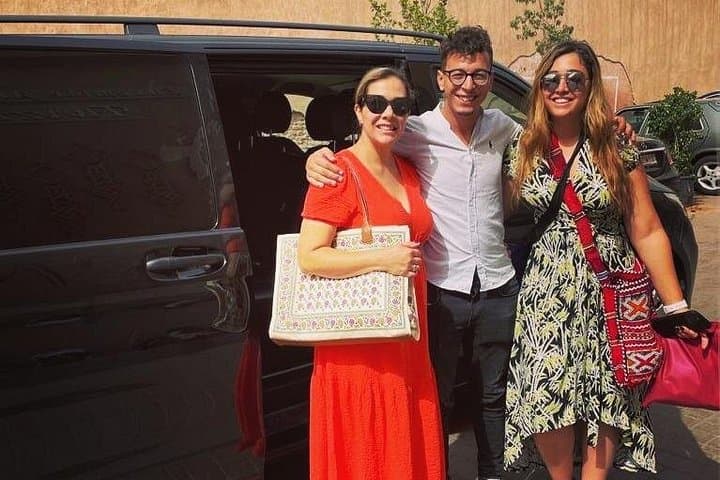
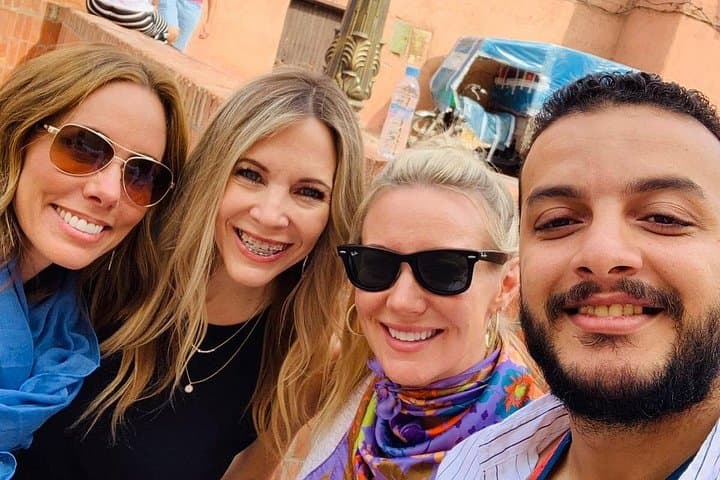
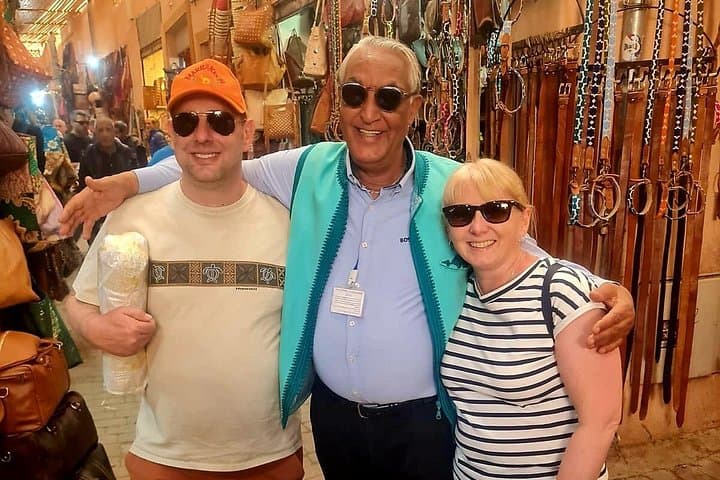
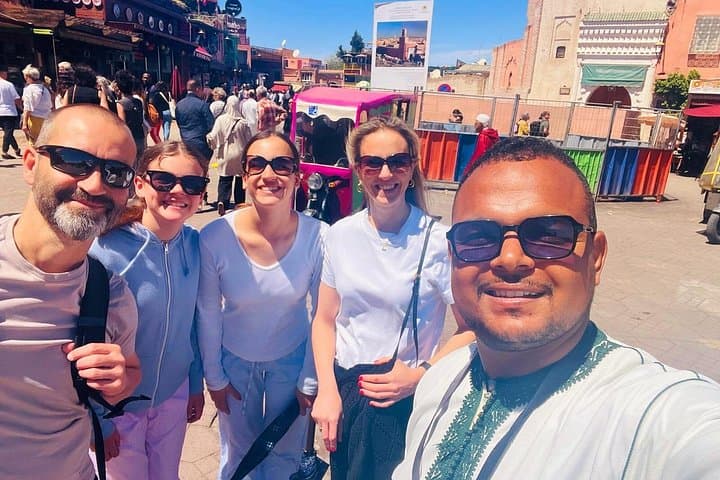
You enter the medina and the alleys take the lead: narrow stone corridors, overhead awnings filtering the sun into warm gold, and the clink of pots and plates setting a steady tempo. On this private half-day tour travelers follow a certified local guide through the Old City’s labyrinth—past dye stalls, spice mountains, leather workshops and hidden riads—where every turn reveals an artisan at work.
You enter the medina and the alleys take the lead: narrow stone corridors, overhead awnings filtering the sun into warm gold, and the clink of pots and plates setting a steady tempo. On this private half-day tour travelers follow a certified local guide through the Old City’s labyrinth—past dye stalls, spice mountains, leather workshops and hidden riads—where every turn reveals an artisan at work.
Marrakech’s medina dates back to the 11th century and the souks grew around guilds and craftspeople; the stone and earthen walls still keep that history close. Geologically, the city sits on plain soils fed by the High Atlas runoff, and the market routes historically connected Atlantic and Saharan trade. Culturally, expect a mix of Amazigh (Berber) and Arab influences: rugs, metalwork, and mint tea rituals reflect blended traditions.
Practical guidance: the route is on compacted stone and tight alleys—flat but uneven—so bring supportive shoes. Cash (dirham) is essential for many stalls; cards work at some boutiques. The guide will open doors to cooperative-run ateliers and recommend fair-shop practices, helping you avoid tourist traps. A mid-tour café stop introduces local sweets and Berber tea—perfect for a 15–20 minute rest.
Timing matters: mornings and late afternoons are cooler and less congested. Hydrate, set a realistic budget, and be ready to haggle politely; this tour is as much about conversation and connection as it is about purchases.