THE ADVENTURE COLLECTIVE® · Independent discovery and booking for outdoor travel

Walk the historic lanes of Marrakech’s medina with a local guide, starting at Café France in Jemaa el-Fna. This three-hour tour highlights crafts, spices, and artisan workshops with practical tips on bargaining and navigating the souks.
Walk the historic lanes of Marrakech’s medina with a local guide, starting at Café France in Jemaa el-Fna. This three-hour tour highlights crafts, spices, and artisan workshops with practical tips on bargaining and navigating the souks.
You step out of Jemaa el-Fna into an alley that narrows as voices, metal clinks and spice scents press close—orange, cumin, saffron. The guide leads the way from Café France at 10:00 AM, and the medina opens up as a working maze: leather stalls, metalworkers bending copper, and narrow vaulted passages that funnel light in theatrical slats.
Verified experiences and guided adventures in the surrounding area.
Operated by Marrakech Tours Guide · Marrakech, Marrakesh-Safi
You step out of Jemaa el-Fna into an alley that narrows as voices, metal clinks and spice scents press close—orange, cumin, saffron. The guide leads the way from Café France at 10:00 AM, and the medina opens up as a working maze: leather stalls, metalworkers bending copper, and narrow vaulted passages that funnel light in theatrical slats.
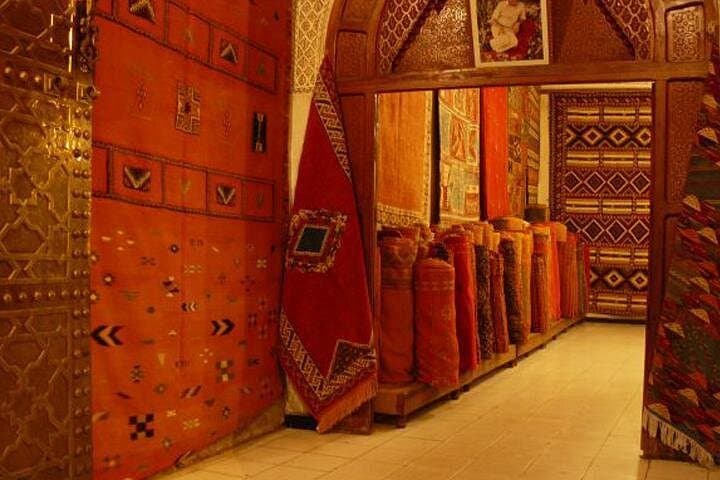
The souks grew from centuries of trans-Saharan trade and guild organization; what you walk now follows lanes that once sorted camel-borne goods into specialties—textiles, dyers, metalwork. Marrakech’s medina is part of a long urban tradition that became a hub for artisans who still practice age-old techniques. The stones and adobe walls hold heat by day and release it slowly, shaping how sellers and buyers move through the market.
Expect cultural textures: bargaining is standard, eye contact and polite firmness work best, and local etiquette favors modest dress when entering religious sites or small workshops.
Practical guidance: this is a three-hour, easy paced urban walk (minimum two travelers, groups capped at about 15). Wear closed-toe shoes for uneven flagstones, carry small bills and coins for purchases and tips, and keep valuables secure—souks are lively and crowded. Morning tours avoid peak heat and the busiest afternoon crowds. Hydrate before you start; plan time after the tour to visit Ben Youssef or a riad café if you want to linger. The experience blends sensory surprises with clear logistics—an efficient, grounded way to read the city through its crafts and commerce.
The meeting point is Café France on Jemaa el-Fna at 10:00 AM and the tour runs about three hours.
Yes—infants and small children can use strollers; however expect narrow lanes and crowds that may require lifting or folding the stroller occasionally.
Tours may be operated by multi-lingual guides; confirm language availability when booking to ensure a guide meets your needs.
Bargaining is normal in the souks; fixed-price shops exist but most stalls expect polite negotiation starting well below the asking price.
Marrakech Tours Guide operates guided outdoor trips and adventures with an emphasis on safety, stewardship, and memorable experiences.
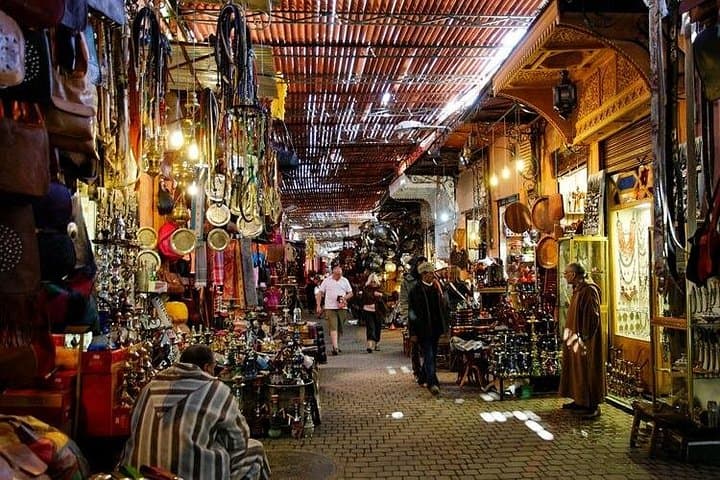
You step out of Jemaa el-Fna into an alley that narrows as voices, metal clinks and spice scents press close—orange, cumin, saffron. The guide leads the way from Café France at 10:00 AM, and the medina opens up as a working maze: leather stalls, metalworkers bending copper, and narrow vaulted passages that funnel light in theatrical slats.
You step out of Jemaa el-Fna into an alley that narrows as voices, metal clinks and spice scents press close—orange, cumin, saffron. The guide leads the way from Café France at 10:00 AM, and the medina opens up as a working maze: leather stalls, metalworkers bending copper, and narrow vaulted passages that funnel light in theatrical slats.
The souks grew from centuries of trans-Saharan trade and guild organization; what you walk now follows lanes that once sorted camel-borne goods into specialties—textiles, dyers, metalwork. Marrakech’s medina is part of a long urban tradition that became a hub for artisans who still practice age-old techniques. The stones and adobe walls hold heat by day and release it slowly, shaping how sellers and buyers move through the market.
Expect cultural textures: bargaining is standard, eye contact and polite firmness work best, and local etiquette favors modest dress when entering religious sites or small workshops.
Practical guidance: this is a three-hour, easy paced urban walk (minimum two travelers, groups capped at about 15). Wear closed-toe shoes for uneven flagstones, carry small bills and coins for purchases and tips, and keep valuables secure—souks are lively and crowded. Morning tours avoid peak heat and the busiest afternoon crowds. Hydrate before you start; plan time after the tour to visit Ben Youssef or a riad café if you want to linger. The experience blends sensory surprises with clear logistics—an efficient, grounded way to read the city through its crafts and commerce.