THE ADVENTURE COLLECTIVE® · Independent discovery and booking for outdoor travel

See Marseille’s highlights in a customizable 3–4 hour driving tour that links the Mucem, Le Panier, the Old Port and Notre‑Dame de la Garde. Ideal for visitors with limited time who want a curated introduction to the city’s history, neighborhoods and coastal views.
See Marseille’s highlights in a customizable 3–4 hour driving tour that links the Mucem, Le Panier, the Old Port and Notre‑Dame de la Garde. Ideal for visitors with limited time who want a curated introduction to the city’s history, neighborhoods and coastal views.
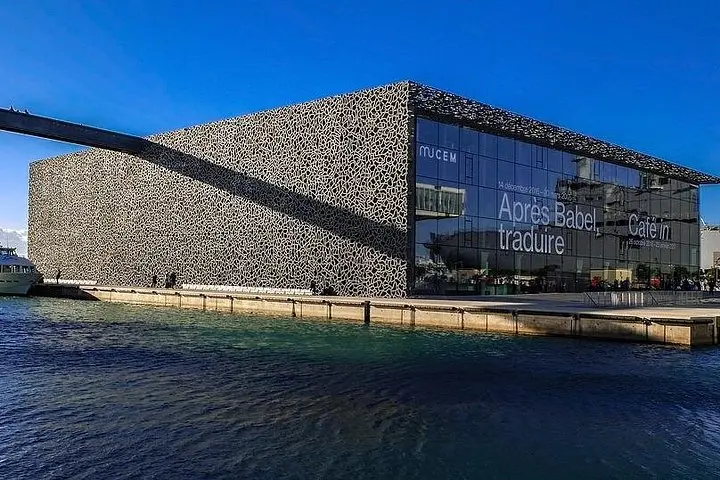
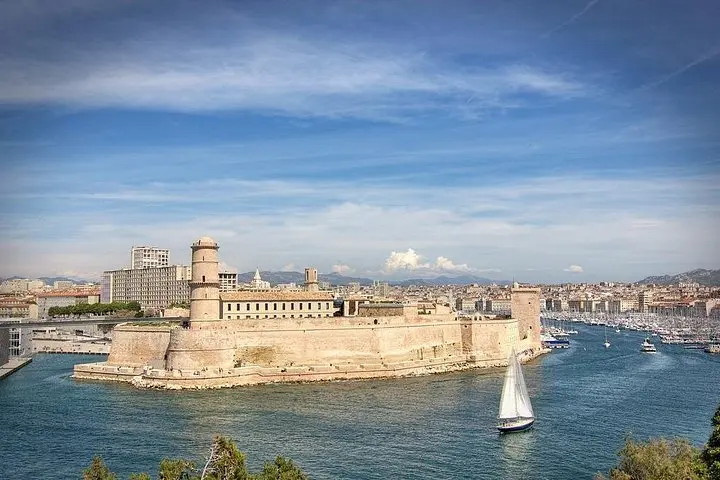
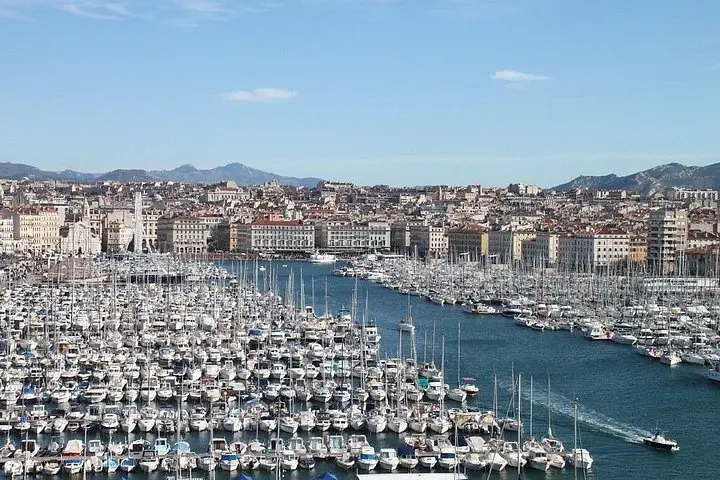
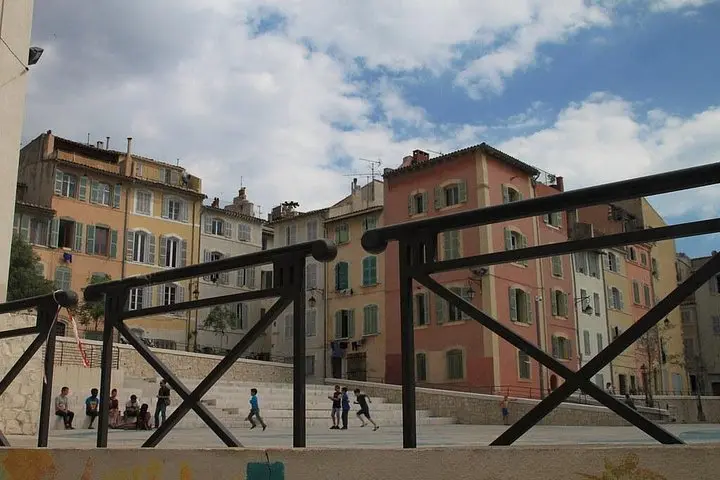
A brisk Provençal breeze carries the scent of sea salt and frying fish as the vehicle peels away from the Old Port. In four hours a driver-guide ferries visitors between Marseille’s defining angles: the glass lattice of the Mucem, the narrow lanes of Le Panier, the broad harbor framed by terraces and fishing boats, and the high perch of Notre‑Dame de la Garde where the city spreads beneath like a map.
Verified experiences and guided adventures in the surrounding area.
Operated by Provence Class Driver · Marseille, Provence-Alpes-Côte d'Azur
A brisk Provençal breeze carries the scent of sea salt and frying fish as the vehicle peels away from the Old Port. In four hours a driver-guide ferries visitors between Marseille’s defining angles: the glass lattice of the Mucem, the narrow lanes of Le Panier, the broad harbor framed by terraces and fishing boats, and the high perch of Notre‑Dame de la Garde where the city spreads beneath like a map.
Marseille began as a Greek colony (Massalia) around 600 BC; centuries of trade and migration forged its layered identity. Geologically, the city hugs limestone cliffs that have shaped harbors and lookout points—Pharo and the harbour headlands offer the clearest examples. Culturally, expect a working port’s frankness: markets, cafés, and a distinctive Mediterranean tempo driven by seafaring and immigrant crafts.
Practical guidance: the tour runs 3–4 hours by air‑conditioned vehicle with onboard Wi‑Fi and bottled water included. Stops are adaptable—allow 30–45 minutes at major sites. Notre‑Dame involves steps to reach the basilica viewpoint; the driver will wait at accessible drop‑off points. Wear comfortable shoes for cobbled streets in Le Panier, and carry a light layer for coastal wind.
Timing matters—late afternoon light softens the port and reduces crowds at key viewpoints. Bring a small daypack, a filled water bottle, and a phone with space for photos; local eateries around the Old Port offer quick seafood plates if you extend your visit. This is a practical, sensory primer on Marseille—compact, adaptable, and rooted in a city that still moves by its own tides.
Pickups are offered from hotels in Marseille or at Terminal A parking for cruise passengers; the driver will meet you with a Provence Class Driver sign.
Admissions are not included; the tour stops near attractions like the Mucem so you can choose to enter and pay separately.
The vehicle and many stop areas are wheelchair accessible; some viewpoints require short climbs but the driver will provide accessible drop‑off when possible.
Yes—this private tour is flexible and the driver will adapt timing and stops to your preferences within the 3–4 hour window.
Provence Class Driver operates guided outdoor trips and adventures with an emphasis on safety, stewardship, and memorable experiences.
A brisk Provençal breeze carries the scent of sea salt and frying fish as the vehicle peels away from the Old Port. In four hours a driver-guide ferries visitors between Marseille’s defining angles: the glass lattice of the Mucem, the narrow lanes of Le Panier, the broad harbor framed by terraces and fishing boats, and the high perch of Notre‑Dame de la Garde where the city spreads beneath like a map.
A brisk Provençal breeze carries the scent of sea salt and frying fish as the vehicle peels away from the Old Port. In four hours a driver-guide ferries visitors between Marseille’s defining angles: the glass lattice of the Mucem, the narrow lanes of Le Panier, the broad harbor framed by terraces and fishing boats, and the high perch of Notre‑Dame de la Garde where the city spreads beneath like a map.
Marseille began as a Greek colony (Massalia) around 600 BC; centuries of trade and migration forged its layered identity. Geologically, the city hugs limestone cliffs that have shaped harbors and lookout points—Pharo and the harbour headlands offer the clearest examples. Culturally, expect a working port’s frankness: markets, cafés, and a distinctive Mediterranean tempo driven by seafaring and immigrant crafts.
Practical guidance: the tour runs 3–4 hours by air‑conditioned vehicle with onboard Wi‑Fi and bottled water included. Stops are adaptable—allow 30–45 minutes at major sites. Notre‑Dame involves steps to reach the basilica viewpoint; the driver will wait at accessible drop‑off points. Wear comfortable shoes for cobbled streets in Le Panier, and carry a light layer for coastal wind.
Timing matters—late afternoon light softens the port and reduces crowds at key viewpoints. Bring a small daypack, a filled water bottle, and a phone with space for photos; local eateries around the Old Port offer quick seafood plates if you extend your visit. This is a practical, sensory primer on Marseille—compact, adaptable, and rooted in a city that still moves by its own tides.