THE ADVENTURE COLLECTIVE® · Independent discovery and booking for outdoor travel

Set out from Khajuraho for an eight‑hour private tour to Ajaigarh Fort and Mastani Mahal, exploring medieval ramparts, rock‑cut tanks and a small palace tied to Maharaja Chhatrasal. This day trip blends short climbs, local stories and wide views over Bundelkhand.
Set out from Khajuraho for an eight‑hour private tour to Ajaigarh Fort and Mastani Mahal, exploring medieval ramparts, rock‑cut tanks and a small palace tied to Maharaja Chhatrasal. This day trip blends short climbs, local stories and wide views over Bundelkhand.
The morning sun slides over dusty fields as your air‑conditioned car eases out of Khajuraho and the road tightens against a low, rocky ridge. Trees thin to scrub; laterite and sandstone appear in the cuttings. By the time you crest the last hill the fort walls of Ajaigarh rise from the slope like a stubborn memory of past borders.
Verified experiences and guided adventures in the surrounding area.
Operated by Yo Tours Goa · Khajuraho, Madhya Pradesh
The morning sun slides over dusty fields as your air‑conditioned car eases out of Khajuraho and the road tightens against a low, rocky ridge. Trees thin to scrub; laterite and sandstone appear in the cuttings. By the time you crest the last hill the fort walls of Ajaigarh rise from the slope like a stubborn memory of past borders.
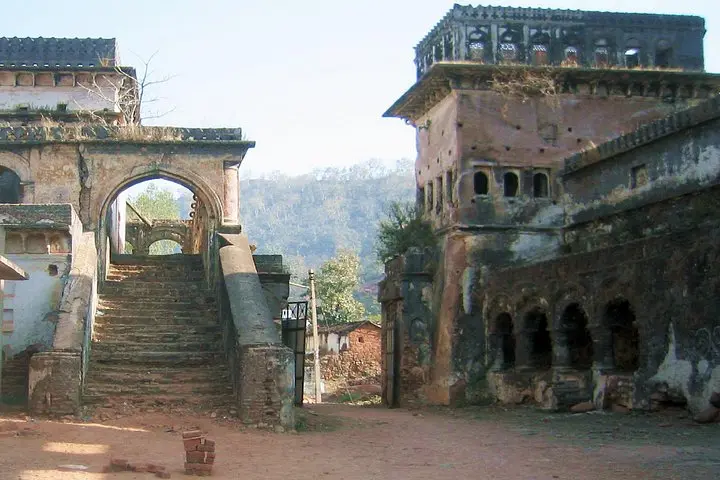
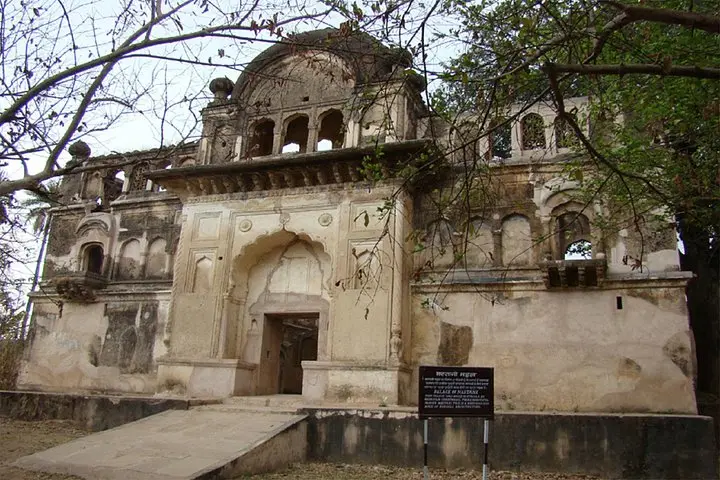
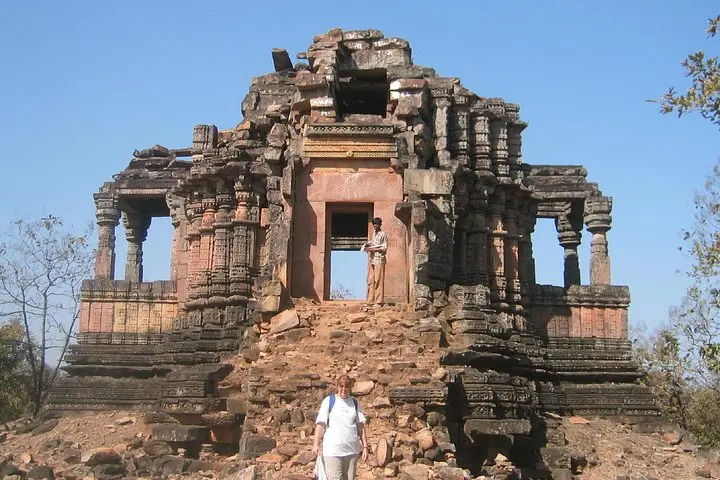
Ajaigarh Fort carries layers of regional history: originally tied to the Chandela and later Bundela polities, its stonework, two surviving gates, small temple sanctuaries and rock‑cut tanks speak to medieval military planning and local devotional life. Nearby Mastani Mahal, associated with Maharaja Chhatrasal, dates to the late 17th–early 18th century and offers a quieter counterpoint — ramped entrances, compact courtyards and rooms that open onto the landscape.
Geologically the area is part of the Vindhyan outcrop: red sandstone, iron‑rich soils and shallow caves carved by seasonal rains. Culturally this is Bundelkhand — village life, Hindi dialects, and simple roadside tea stalls where guides translate stories into context.
Practical guidance: this is an 8‑hour private tour suitable for most fitness levels; expect short climbs and uneven steps inside the fort and palace. Start early to avoid mid‑day heat, bring 2–3 liters of water, closed‑toe shoes, sun protection and modest attire for temple visits. Photography is excellent from the northern gate and the fort’s ramparts; watch for loose stone underfoot and keep to marked paths. Your guide handles logistics and local tips — carry small notes for entry fees and market purchases.
Driving time varies by route and traffic but plan for roughly 1.5–3 hours each way; your guide will confirm times at booking.
Entrance fees are typically not included in standard private tours; bring cash to cover site tickets and any local charges.
Yes — the itinerary is rated easy and can be adjusted, but expect some short climbs and uneven surfaces that may be challenging for limited mobility.
Meals are usually not included; guides can arrange stops at local restaurants or carry packed snacks on request.
Yo Tours Goa operates guided outdoor trips and adventures with an emphasis on safety, stewardship, and memorable experiences.
The morning sun slides over dusty fields as your air‑conditioned car eases out of Khajuraho and the road tightens against a low, rocky ridge. Trees thin to scrub; laterite and sandstone appear in the cuttings. By the time you crest the last hill the fort walls of Ajaigarh rise from the slope like a stubborn memory of past borders.
The morning sun slides over dusty fields as your air‑conditioned car eases out of Khajuraho and the road tightens against a low, rocky ridge. Trees thin to scrub; laterite and sandstone appear in the cuttings. By the time you crest the last hill the fort walls of Ajaigarh rise from the slope like a stubborn memory of past borders.
Ajaigarh Fort carries layers of regional history: originally tied to the Chandela and later Bundela polities, its stonework, two surviving gates, small temple sanctuaries and rock‑cut tanks speak to medieval military planning and local devotional life. Nearby Mastani Mahal, associated with Maharaja Chhatrasal, dates to the late 17th–early 18th century and offers a quieter counterpoint — ramped entrances, compact courtyards and rooms that open onto the landscape.
Geologically the area is part of the Vindhyan outcrop: red sandstone, iron‑rich soils and shallow caves carved by seasonal rains. Culturally this is Bundelkhand — village life, Hindi dialects, and simple roadside tea stalls where guides translate stories into context.
Practical guidance: this is an 8‑hour private tour suitable for most fitness levels; expect short climbs and uneven steps inside the fort and palace. Start early to avoid mid‑day heat, bring 2–3 liters of water, closed‑toe shoes, sun protection and modest attire for temple visits. Photography is excellent from the northern gate and the fort’s ramparts; watch for loose stone underfoot and keep to marked paths. Your guide handles logistics and local tips — carry small notes for entry fees and market purchases.