THE ADVENTURE COLLECTIVE® · Independent discovery and booking for outdoor travel

Nairobi National Park offers an extraordinary safari just minutes from Kenya’s capital, where wildlife roams freely beneath city skyscrapers. Discover how to prepare for this accessible game drive showcasing lions, rhinos, and breathtaking landscapes with practical tips for a fulfilling adventure.
Nairobi National Park offers an extraordinary safari just minutes from Kenya’s capital, where wildlife roams freely beneath city skyscrapers. Discover how to prepare for this accessible game drive showcasing lions, rhinos, and breathtaking landscapes with practical tips for a fulfilling adventure.
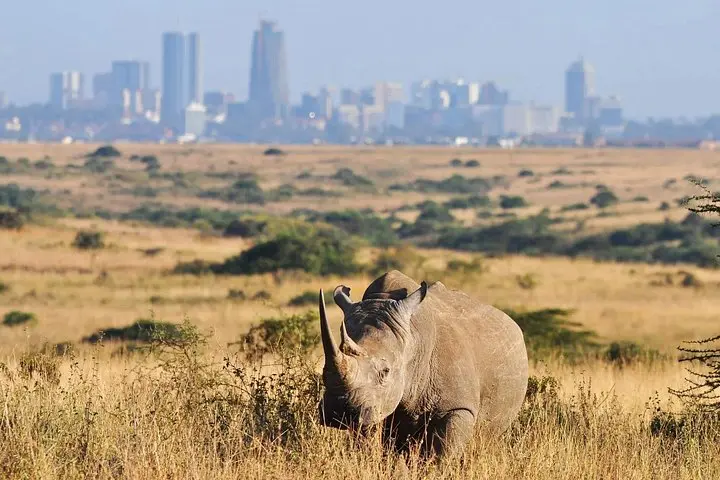
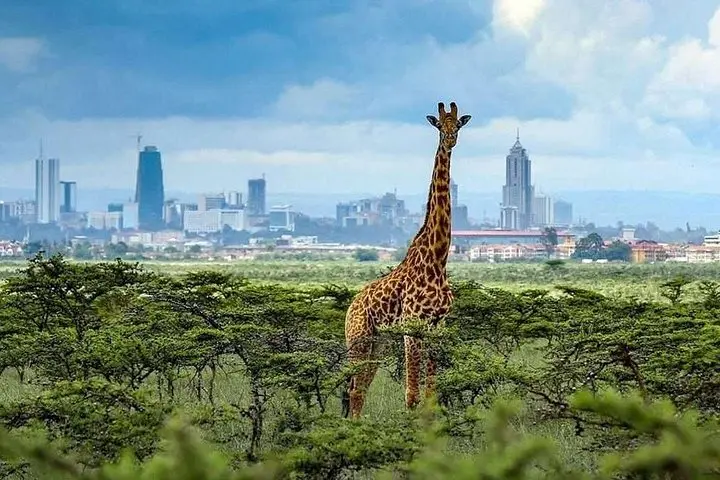
Just a short drive from Nairobi’s urban pulse, Nairobi National Park offers a rare encounter where wild Africa brushes shoulders with a city skyline. Spread across 117 square kilometers, this park stands as one of the few locations worldwide where lions, rhinos, giraffes, and many other species roam against the backdrop of skyscrapers, a living tension between wilderness and development.
Verified experiences and guided adventures in the surrounding area.
Operated by Kenyana Wildlife Safaris · Nairobi, Nairobi County
Just a short drive from Nairobi’s urban pulse, Nairobi National Park offers a rare encounter where wild Africa brushes shoulders with a city skyline. Spread across 117 square kilometers, this park stands as one of the few locations worldwide where lions, rhinos, giraffes, and many other species roam against the backdrop of skyscrapers, a living tension between wilderness and development.
The park’s landscape is a mix of open grass plains, acacia woodlands, and rocky outcrops carved over millennia by geological shifts. These biomes support a rich variety of wildlife — over 400 bird species call the park home, and mammals from mighty buffaloes to wary jackals stalk its boundaries. Visitors may spot the rare black rhino, a critical species in conservation efforts here. Nairobi National Park’s proximity to the capital city traces back to its founding in 1946, aimed at preserving native wildlife at a time of rapid urban expansion.
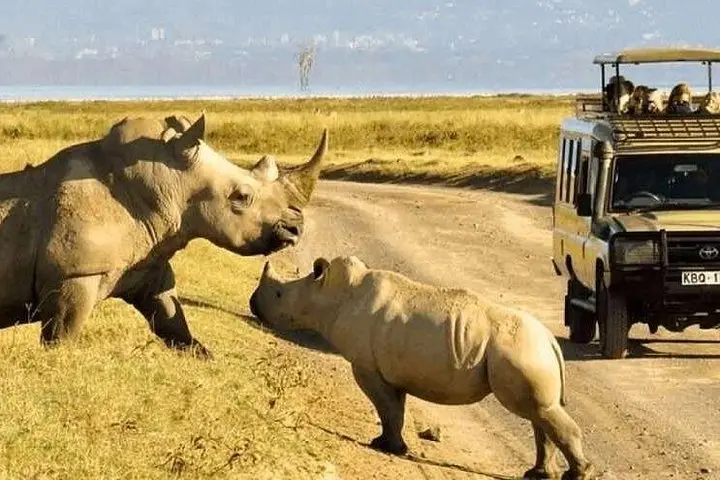
Booking a shared safari tour proves an accessible way to experience this remarkable park. Departing early from Nairobi hotels, guests ride in open-sided Landcruisers, designed to maximize viewing with 360-degree perspectives. The guide’s commentary enriches the journey, providing insights into animal behavior, park ecology, and conservation challenges.
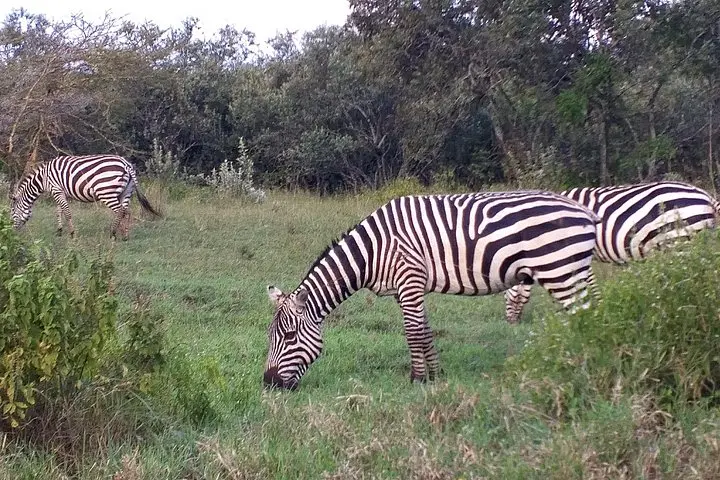
The game drive route loops through the park’s prime habitats. Expect to see lions lounging in the shade, giraffes browsing acacia leaves, and zebras gathering at waterholes where crocodiles may lurk beneath. Near the park gates, agile vervet monkeys dart through branches with playful energy that contrasts the still, observant eyes of a stalking leopard or cautious rhino.
Timing is key for Nairobi National Park. Early mornings and late afternoons offer cooler temperatures and active animals, while midday heat typically slows wildlife activity. The park’s terrain is mostly flat with short grasses, easing navigation but demanding good sun protection and hydration. Cameras should be ready for sudden moments—like a lion’s yawn or the rush of a startled antelope crossing open plains.
Travelers benefit from practical preparation: sturdy walking shoes aren’t required since the tour is vehicle-based, but a hat, sunscreen, and binoculars enhance the experience. Sustainable tourism is actively promoted here to protect habitats amid increasing visitation.
Nairobi National Park embodies a living interface between human progress and natural heritage, inviting visitors to witness both Africa’s wild heart and its contemporary rhythm in a single day’s adventure.
The park is approximately 7 kilometers south of Nairobi’s central business district, reachable within 20–30 minutes by car depending on traffic.
No, park entrance fees are paid separately at arrival; the tour generally covers transportation and guide services.
You’ll likely encounter lions, giraffes, rhinos, zebras, buffaloes, jackals, and diverse bird species.
Yes, the vehicle-based game drive is accessible to all ages and does not require strenuous physical activity.
Absolutely, you are encouraged to bring photographic gear and binoculars to enhance spotting and capturing wildlife moments.
Wear comfortable, breathable clothing in neutral colors, a sun hat, and closed-toe shoes; bring layers for early morning coolness.
Kenyana Wildlife Safaris operates guided outdoor trips and adventures with an emphasis on safety, stewardship, and memorable experiences.
Just a short drive from Nairobi’s urban pulse, Nairobi National Park offers a rare encounter where wild Africa brushes shoulders with a city skyline. Spread across 117 square kilometers, this park stands as one of the few locations worldwide where lions, rhinos, giraffes, and many other species roam against the backdrop of skyscrapers, a living tension between wilderness and development.
Just a short drive from Nairobi’s urban pulse, Nairobi National Park offers a rare encounter where wild Africa brushes shoulders with a city skyline. Spread across 117 square kilometers, this park stands as one of the few locations worldwide where lions, rhinos, giraffes, and many other species roam against the backdrop of skyscrapers, a living tension between wilderness and development.
The park’s landscape is a mix of open grass plains, acacia woodlands, and rocky outcrops carved over millennia by geological shifts. These biomes support a rich variety of wildlife — over 400 bird species call the park home, and mammals from mighty buffaloes to wary jackals stalk its boundaries. Visitors may spot the rare black rhino, a critical species in conservation efforts here. Nairobi National Park’s proximity to the capital city traces back to its founding in 1946, aimed at preserving native wildlife at a time of rapid urban expansion.
Booking a shared safari tour proves an accessible way to experience this remarkable park. Departing early from Nairobi hotels, guests ride in open-sided Landcruisers, designed to maximize viewing with 360-degree perspectives. The guide’s commentary enriches the journey, providing insights into animal behavior, park ecology, and conservation challenges.
The game drive route loops through the park’s prime habitats. Expect to see lions lounging in the shade, giraffes browsing acacia leaves, and zebras gathering at waterholes where crocodiles may lurk beneath. Near the park gates, agile vervet monkeys dart through branches with playful energy that contrasts the still, observant eyes of a stalking leopard or cautious rhino.
Timing is key for Nairobi National Park. Early mornings and late afternoons offer cooler temperatures and active animals, while midday heat typically slows wildlife activity. The park’s terrain is mostly flat with short grasses, easing navigation but demanding good sun protection and hydration. Cameras should be ready for sudden moments—like a lion’s yawn or the rush of a startled antelope crossing open plains.
Travelers benefit from practical preparation: sturdy walking shoes aren’t required since the tour is vehicle-based, but a hat, sunscreen, and binoculars enhance the experience. Sustainable tourism is actively promoted here to protect habitats amid increasing visitation.
Nairobi National Park embodies a living interface between human progress and natural heritage, inviting visitors to witness both Africa’s wild heart and its contemporary rhythm in a single day’s adventure.