THE ADVENTURE COLLECTIVE® · Independent discovery and booking for outdoor travel

A single day that moves from historic pearl harbours and sheltered mangroves to UNESCO archaeology and desert limestone sculptures. This practical, full‑day tour covers culture, geology and coastal wildlife across north and west Qatar.
A single day that moves from historic pearl harbours and sheltered mangroves to UNESCO archaeology and desert limestone sculptures. This practical, full‑day tour covers culture, geology and coastal wildlife across north and west Qatar.
You step off the air‑conditioned vehicle into a flat, salty wind that carries the dry tang of the Gulf and the sharper scent of limestone. Early light picks out low forts and the ribs of halfa grass around mangrove roots; dhows rock gently in Al Khor’s small harbour while the desert farther west waits, pocked with coral rock and shadowed hollows.
Verified experiences and guided adventures in the surrounding area.
Operated by Doha Tourism · Doha, Doha
You step off the air‑conditioned vehicle into a flat, salty wind that carries the dry tang of the Gulf and the sharper scent of limestone. Early light picks out low forts and the ribs of halfa grass around mangrove roots; dhows rock gently in Al Khor’s small harbour while the desert farther west waits, pocked with coral rock and shadowed hollows.
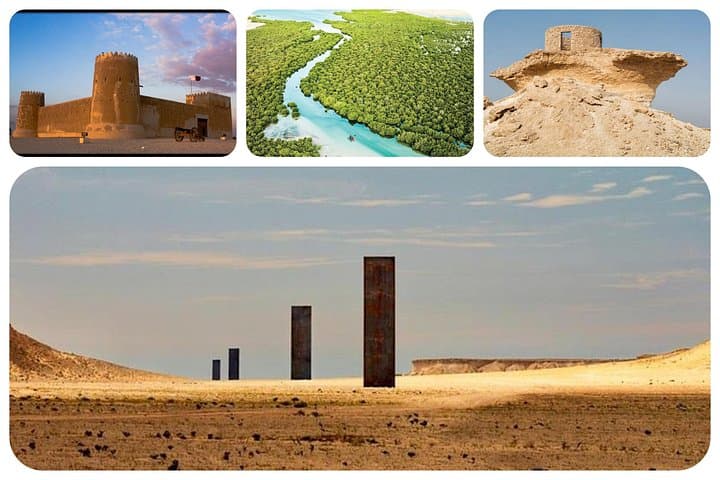
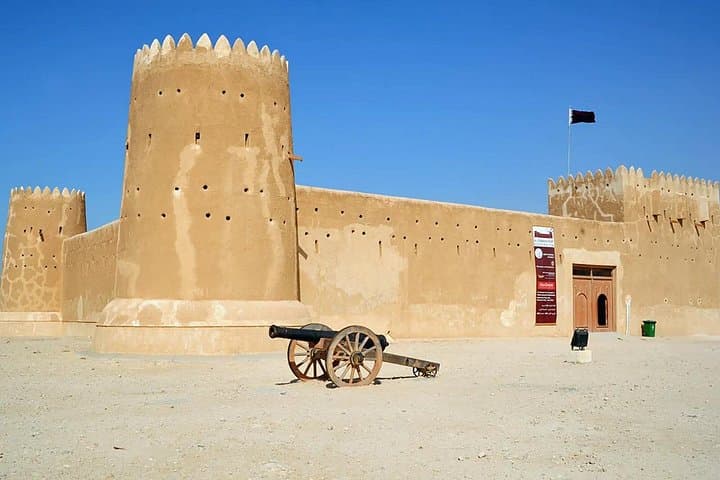
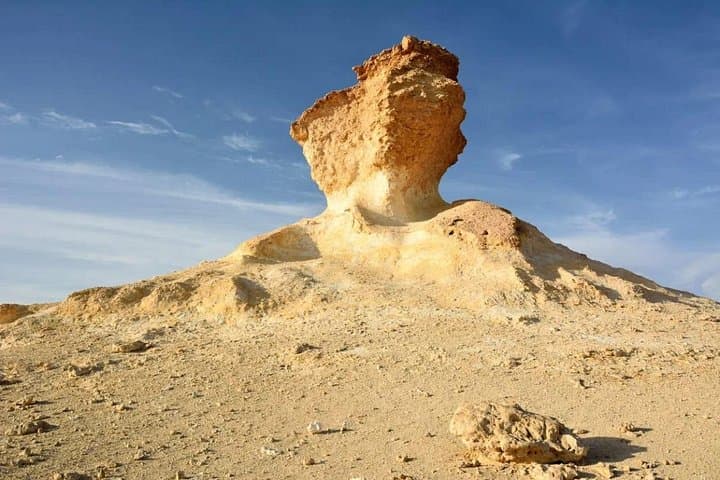
This route threads Qatar’s layered history—pearling harbors and dhow yards at Al Khor, the dense mangrove ecology of Al Thakira, then the archaeological expanse of Al Zubarah Fort, a UNESCO site that marks the country’s 18th–19th century trading past. Geology here is straightforward: coastal sabkha, mangrove peat, and eroded Tertiary limestone that becomes architectural drama at Zekreet and Umbrella Rock. Modern interventions —from camel tracks to Richard Serra’s steel plates at Brouq—sit beside ruined mudbrick houses and restored fort walls.
Expect lots of short stops rather than long hikes: boat‑edge views at Purple Island, a guided walkthrough at Al Zubarah, photo time among limestone sculpted by wind, and a drive along open desert toward the peninsula. Practically: the day runs 6–8 hours, transport is air‑conditioned, and the terrain alternates between paved roads, compact sand and firm coastal mud in mangrove areas. Bring sun protection, a refillable water bottle, and a camera with a polarizer for coastal glare. Respect archaeological boundaries, follow guide instructions on sensitive sites, and time your visit for morning or late afternoon light to avoid the midday heat and get the best wildlife viewing.
The full‑day tour runs approximately 6–8 hours and includes air‑conditioned transport, bottled water, and refreshments like coffee or tea; admissions are typically not required for the outdoor stops described.
The tour is rated easy and suitable for most fitness levels; however there is standing and short walking at sites—infant seats and stroller access are available but check with the operator for specific mobility needs.
Yes—expect shorebirds and wading birds in mangroves and on Purple Island; sightings depend on season and time of day, with mornings and late afternoons offering the best chance.
Basic restroom facilities and light refreshments are available at some stops; plan for limited dining options and inform the operator of dietary or accessibility needs in advance.
Doha Tourism operates guided outdoor trips and adventures with an emphasis on safety, stewardship, and memorable experiences.

You step off the air‑conditioned vehicle into a flat, salty wind that carries the dry tang of the Gulf and the sharper scent of limestone. Early light picks out low forts and the ribs of halfa grass around mangrove roots; dhows rock gently in Al Khor’s small harbour while the desert farther west waits, pocked with coral rock and shadowed hollows.
You step off the air‑conditioned vehicle into a flat, salty wind that carries the dry tang of the Gulf and the sharper scent of limestone. Early light picks out low forts and the ribs of halfa grass around mangrove roots; dhows rock gently in Al Khor’s small harbour while the desert farther west waits, pocked with coral rock and shadowed hollows.
This route threads Qatar’s layered history—pearling harbors and dhow yards at Al Khor, the dense mangrove ecology of Al Thakira, then the archaeological expanse of Al Zubarah Fort, a UNESCO site that marks the country’s 18th–19th century trading past. Geology here is straightforward: coastal sabkha, mangrove peat, and eroded Tertiary limestone that becomes architectural drama at Zekreet and Umbrella Rock. Modern interventions —from camel tracks to Richard Serra’s steel plates at Brouq—sit beside ruined mudbrick houses and restored fort walls.
Expect lots of short stops rather than long hikes: boat‑edge views at Purple Island, a guided walkthrough at Al Zubarah, photo time among limestone sculpted by wind, and a drive along open desert toward the peninsula. Practically: the day runs 6–8 hours, transport is air‑conditioned, and the terrain alternates between paved roads, compact sand and firm coastal mud in mangrove areas. Bring sun protection, a refillable water bottle, and a camera with a polarizer for coastal glare. Respect archaeological boundaries, follow guide instructions on sensitive sites, and time your visit for morning or late afternoon light to avoid the midday heat and get the best wildlife viewing.