
Explore North East Himalaya: Darjeeling, Kaziranga & Tribal Village Expedition
A 16-day circuit through the eastern Himalaya that pairs sunrise views over Kanchendzonga with Kaziranga wildlife safaris and immersive tribal homestays. Expect steep drives, early mornings and a mix of cultural and natural highlights.
An Adventure In Kolkata.
A 16-day circuit through the eastern Himalaya that pairs sunrise views over Kanchendzonga with Kaziranga wildlife safaris and immersive tribal homestays. Expect steep drives, early mornings and a mix of cultural and natural highlights.
Read the full experience
Fog lifts like a curtain over Tiger Hill as a cold, sharp light reveals Kanchendzonga’s serrated flank — the mountain seems to watch the convoy as it snakes down from Darjeeling toward Pelling and Gangtok.
Fog lifts like a curtain over Tiger Hill as a cold, sharp light reveals Kanchendzonga’s serrated flank — the mountain seems to watch the convoy as it snakes down from Darjeeling toward Pelling and Gangtok.
The route threads colonial-era tea gardens, rhododendron forests, and terraced farmlands shaped over centuries by Lepcha, Bhutia and Nepali cultures. Geologically the eastern Himalaya here is young and restless: uplifted fault-block ridges, river-cut valleys, and alluvial floodplains where the Brahmaputra pushes its way to the plains. Cultural life alternates between monasteries ringing prayer wheels and village morungs where oral history and mask-making live on; Majuli’s riverine culture and Khonoma’s community conservation offer contrasting local responses to development.
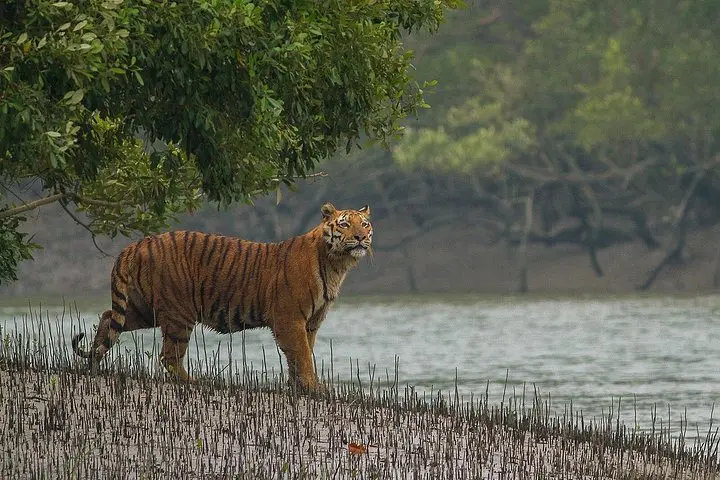
Expect a travel rhythm that alternates early-morning mountain views and long drives, with wildlife windows in Kaziranga where elephant-backed safaris and jeep rides track one-horned rhinos and, if fortune favors, tigers. In Nagaland the itinerary shifts to village hikes — Mt. Pauna is a 2–3 hour ascent of mixed gradient, while community stays emphasize low-impact living and shared meals.
Practical guidance: pack layered clothes for wide diurnal swings, a basic first-aid kit, and solid hiking shoes; jeep and elephant safaris are subject to park rules and seasonal availability so book early. Respect local customs — ask before photographing people or sacred spaces. Hydrate on long drives, and allow extra travel time for mountain roads and ferry crossings across the Brahmaputra.
Frequently asked questions
October–April is generally best: clear mountain views and drier weather for Kaziranga safaris; monsoon months bring heavy rain and road disruptions.
Some areas, especially in parts of Nagaland and protected zones, require permits; the operator usually arranges local permissions as part of the itinerary.
Kaziranga hosts high densities of one-horned rhinos and a healthy tiger population; rhino sightings are common on safaris, tigers are possible but less predictable.
Many transfers and sightseeing activities are accessible, but village homestays and mountain walks involve uneven terrain; notify the operator about mobility needs in advance.
About This Experience
Agora Voyages Pvt. Ltd. operates guided outdoor trips and adventures with an emphasis on safety, stewardship, and memorable experiences.
Adventure tips
Recommended gear
- Layered clothing (base, insulating fleece, wind shell): Variable mountain conditions and river plains require flexible insulation.
- Sturdy hiking shoes: Provides traction on mixed village trails and uneven mountain paths.
- Lightweight rain jacket: Sudden showers are common, especially during pre- and monsoon months.
- Basic first-aid kit and water purification tablets: Useful for remote homestays and longer excursions where supplies are limited.
Photos of the experience


Related adventures & guides
Read the full experience
Fog lifts like a curtain over Tiger Hill as a cold, sharp light reveals Kanchendzonga’s serrated flank — the mountain seems to watch the convoy as it snakes down from Darjeeling toward Pelling and Gangtok.
Fog lifts like a curtain over Tiger Hill as a cold, sharp light reveals Kanchendzonga’s serrated flank — the mountain seems to watch the convoy as it snakes down from Darjeeling toward Pelling and Gangtok.
The route threads colonial-era tea gardens, rhododendron forests, and terraced farmlands shaped over centuries by Lepcha, Bhutia and Nepali cultures. Geologically the eastern Himalaya here is young and restless: uplifted fault-block ridges, river-cut valleys, and alluvial floodplains where the Brahmaputra pushes its way to the plains. Cultural life alternates between monasteries ringing prayer wheels and village morungs where oral history and mask-making live on; Majuli’s riverine culture and Khonoma’s community conservation offer contrasting local responses to development.
Expect a travel rhythm that alternates early-morning mountain views and long drives, with wildlife windows in Kaziranga where elephant-backed safaris and jeep rides track one-horned rhinos and, if fortune favors, tigers. In Nagaland the itinerary shifts to village hikes — Mt. Pauna is a 2–3 hour ascent of mixed gradient, while community stays emphasize low-impact living and shared meals.
Practical guidance: pack layered clothes for wide diurnal swings, a basic first-aid kit, and solid hiking shoes; jeep and elephant safaris are subject to park rules and seasonal availability so book early. Respect local customs — ask before photographing people or sacred spaces. Hydrate on long drives, and allow extra travel time for mountain roads and ferry crossings across the Brahmaputra.
Make a day of it nearby.
Verified experiences and guided adventures in the surrounding area.