THE ADVENTURE COLLECTIVE® · Independent discovery and booking for outdoor travel

Journey through Poland’s least-visited northeast on an eight-day private tour that pairs ancient forests, marshland birdlife and multicultural towns. From Białowieża’s bison to Masuria’s lake-studded horizon, this route balances slow nature with living heritage.
Journey through Poland’s least-visited northeast on an eight-day private tour that pairs ancient forests, marshland birdlife and multicultural towns. From Białowieża’s bison to Masuria’s lake-studded horizon, this route balances slow nature with living heritage.
Morning light slants through spruce and oak as the private van eases out of Warsaw toward a patchwork of lakes, primeval woods and quiet villages. You feel the region change: the air cools, roads narrow, and a landscape shaped by glacial basins and peat bogs opens up—this is northeastern Poland, where history and wildness meet.
Verified experiences and guided adventures in the surrounding area.
Operated by Intopoland · Białystok, Podlaskie
Morning light slants through spruce and oak as the private van eases out of Warsaw toward a patchwork of lakes, primeval woods and quiet villages. You feel the region change: the air cools, roads narrow, and a landscape shaped by glacial basins and peat bogs opens up—this is northeastern Poland, where history and wildness meet.
Centuries of migration and faiths have left visible marks: Orthodox wooden churches on Grabarka Hill, Tatar wooden mosques in Kruszyniany, and Teutonic castles around Masuria. Geologically, the area is a lowland carved by the last ice age—lakes, moraines and marshes dominate, creating habitats like the UNESCO-listed Białowieża Forest, one of Europe’s last lowland old-growth woodlands and home to the European bison.
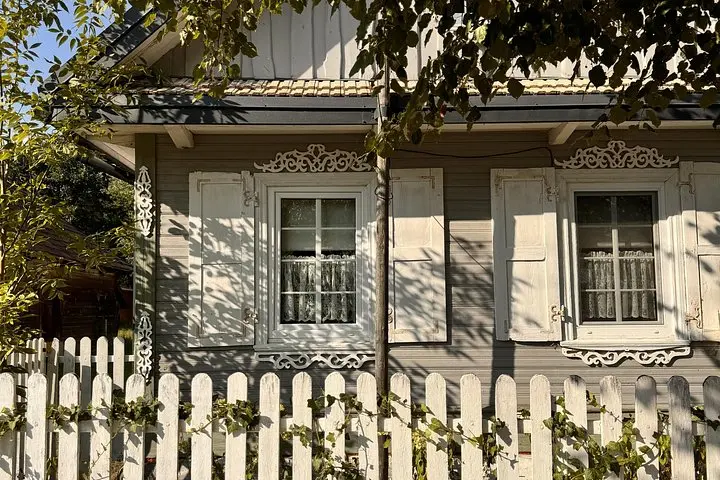
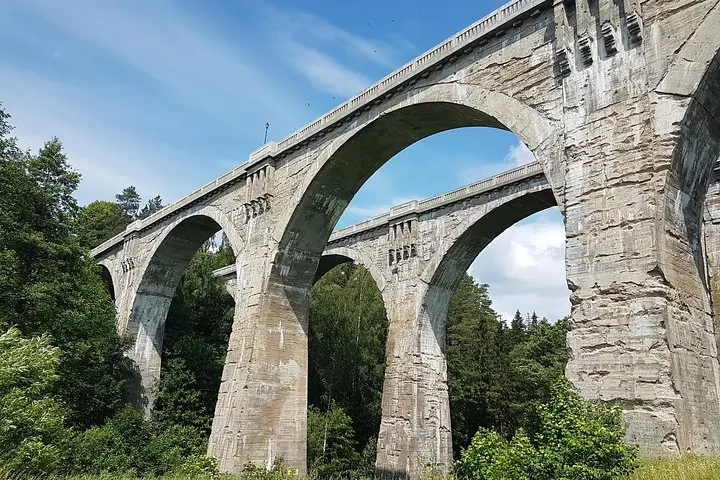
Culturally, Podlasie is a crossroads—Polish, Belarusian, Tartar and Jewish influences flavor architecture, food and festivals. Expect close encounters with wildlife in Biebrza marshes and slow, reflective boat cruises along the Augustów Canal. Photogenic highlights include the high Stańczyki viaducts (roughly 60 m tall) and the eerie Rapa pyramid.
Practical guidance: days mix gentle walks (2–4 hours) with several 1–3 hour drives; pack waterproof footwear, insect protection for marsh and forest zones, and layered clothing for variable weather. Early mornings increase chances of wildlife sightings; bring local currency for village shops and allow extra time at historic sites. The trip is suitable for travelers comfortable with light activity and multi-day travel by private vehicle—an itinerary that rewards curiosity and steady pace.
Yes—paces are flexible and daily activity is light; notify operators of special needs so routes and accommodation can be adjusted.
The tour includes 7 nights in centrally located 3-star hotels plus breakfasts and several lunches; confirm specific meal arrangements with the operator before booking.
Wildlife sightings are common in Białowieża and Biebrza but not guaranteed; sightings depend on season, time of day and luck.
Most itineraries begin with pickup at Warsaw Chopin Airport or Warsaw train station; the operator provides private transfer to the first night’s hotel.
Intopoland operates guided outdoor trips and adventures with an emphasis on safety, stewardship, and memorable experiences.
Morning light slants through spruce and oak as the private van eases out of Warsaw toward a patchwork of lakes, primeval woods and quiet villages. You feel the region change: the air cools, roads narrow, and a landscape shaped by glacial basins and peat bogs opens up—this is northeastern Poland, where history and wildness meet.
Morning light slants through spruce and oak as the private van eases out of Warsaw toward a patchwork of lakes, primeval woods and quiet villages. You feel the region change: the air cools, roads narrow, and a landscape shaped by glacial basins and peat bogs opens up—this is northeastern Poland, where history and wildness meet.
Centuries of migration and faiths have left visible marks: Orthodox wooden churches on Grabarka Hill, Tatar wooden mosques in Kruszyniany, and Teutonic castles around Masuria. Geologically, the area is a lowland carved by the last ice age—lakes, moraines and marshes dominate, creating habitats like the UNESCO-listed Białowieża Forest, one of Europe’s last lowland old-growth woodlands and home to the European bison.
Culturally, Podlasie is a crossroads—Polish, Belarusian, Tartar and Jewish influences flavor architecture, food and festivals. Expect close encounters with wildlife in Biebrza marshes and slow, reflective boat cruises along the Augustów Canal. Photogenic highlights include the high Stańczyki viaducts (roughly 60 m tall) and the eerie Rapa pyramid.
Practical guidance: days mix gentle walks (2–4 hours) with several 1–3 hour drives; pack waterproof footwear, insect protection for marsh and forest zones, and layered clothing for variable weather. Early mornings increase chances of wildlife sightings; bring local currency for village shops and allow extra time at historic sites. The trip is suitable for travelers comfortable with light activity and multi-day travel by private vehicle—an itinerary that rewards curiosity and steady pace.