THE ADVENTURE COLLECTIVE® · Independent discovery and booking for outdoor travel

Walk Novi Sad’s lively squares, then cross the Danube to explore Petrovaradin Fortress—the 18th-century stronghold with sweeping river views, hidden tunnels, and stories of resistance. This three-hour tour pairs cultural highlights with practical local insight.
Walk Novi Sad’s lively squares, then cross the Danube to explore Petrovaradin Fortress—the 18th-century stronghold with sweeping river views, hidden tunnels, and stories of resistance. This three-hour tour pairs cultural highlights with practical local insight.
Morning light pools on Freedom Square and the city yawns around a cup of strong Serbian coffee. Cobbled streets open to wide façades—the Town Hall’s clock, the Church of the Name of Mary, and small cafés where locals trade news—before you cross the Danube and climb toward the sweep of Petrovaradin Fortress.
Verified experiences and guided adventures in the surrounding area.
Operated by Explore Serbia · Novi Sad, Vojvodina
Morning light pools on Freedom Square and the city yawns around a cup of strong Serbian coffee. Cobbled streets open to wide façades—the Town Hall’s clock, the Church of the Name of Mary, and small cafés where locals trade news—before you cross the Danube and climb toward the sweep of Petrovaradin Fortress.
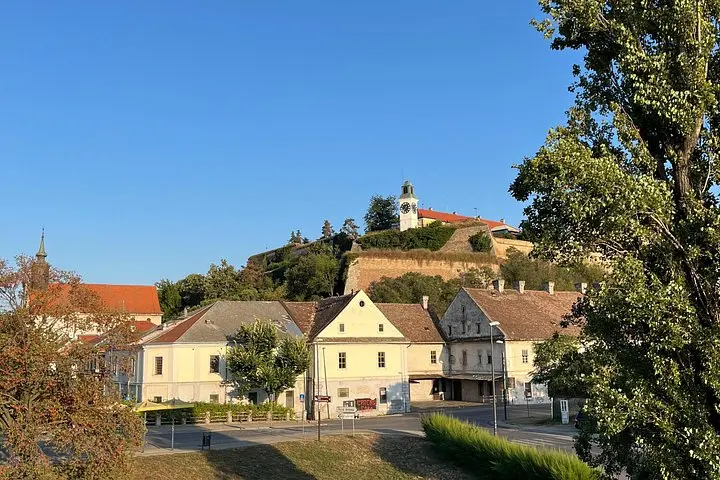
The fortress is an 18th-century Habsburg stronghold built to control the river corridor; its layered defenses and long tunnel network explain why it was never taken in siege. Geologically, the fortress crowns river terraces carved by the Danube, offering a contrast between the city’s flat alluvial plain and the stony escarpment that commands panoramic views.
Novi Sad is Vojvodina’s cultural crossroads: Austro-Hungarian architecture, Serbian Orthodox churches, and a lively arts scene converge here. Locals point out the town’s theatrical tradition and annual events like EXIT Festival, which animate the riverbanks in summer.
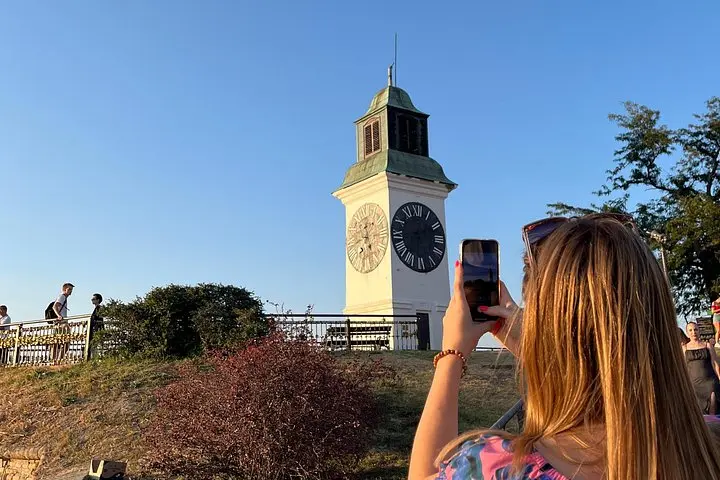
Practically, expect three hours on mostly paved streets and staircases at the fortress: light uphill walking, several viewpoints, and a network of ramparts and tunnels. Wear sturdy shoes for uneven cobbles, bring a refillable water bottle, and allow extra time for photos at the clock tower and Danube panorama.
Best times are early morning or late afternoon for softer light and cooler temperatures; midsummer can be hot and crowded. Guides typically include coffee stops and lend context on wartime history, engineering of the bastions, and local anecdotes—so come ready with questions and a charged phone camera.
The tour runs about three hours and covers the city center plus Petrovaradin Fortress, including walking and viewpoint stops.
This walking tour typically explores public areas of the fortress; specific paid attractions inside may not be included—confirm with the operator.
Parts of the city center are accessible, but the fortress involves stairs and slopes that limit full wheelchair access; contact the guide to discuss alternatives.
Tours are usually offered in the language listed at booking; private tours may accommodate different languages—check availability when reserving.
Explore Serbia operates guided outdoor trips and adventures with an emphasis on safety, stewardship, and memorable experiences.
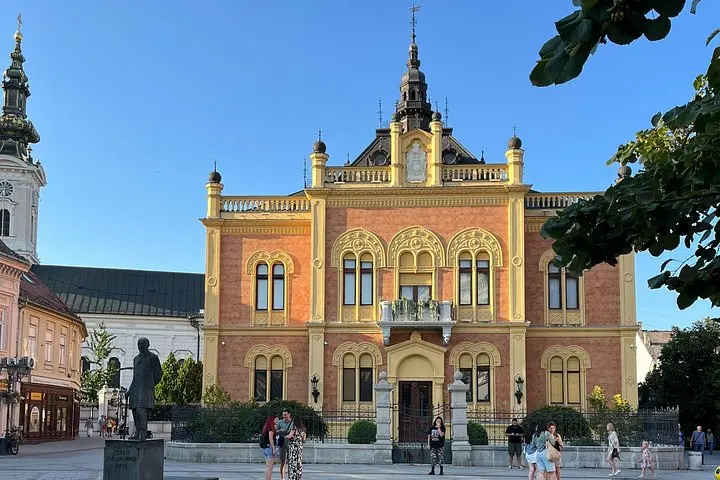
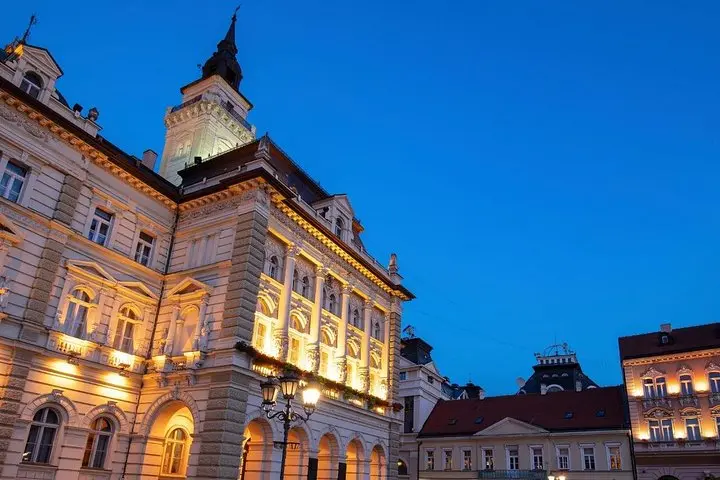
Morning light pools on Freedom Square and the city yawns around a cup of strong Serbian coffee. Cobbled streets open to wide façades—the Town Hall’s clock, the Church of the Name of Mary, and small cafés where locals trade news—before you cross the Danube and climb toward the sweep of Petrovaradin Fortress.
Morning light pools on Freedom Square and the city yawns around a cup of strong Serbian coffee. Cobbled streets open to wide façades—the Town Hall’s clock, the Church of the Name of Mary, and small cafés where locals trade news—before you cross the Danube and climb toward the sweep of Petrovaradin Fortress.
The fortress is an 18th-century Habsburg stronghold built to control the river corridor; its layered defenses and long tunnel network explain why it was never taken in siege. Geologically, the fortress crowns river terraces carved by the Danube, offering a contrast between the city’s flat alluvial plain and the stony escarpment that commands panoramic views.
Novi Sad is Vojvodina’s cultural crossroads: Austro-Hungarian architecture, Serbian Orthodox churches, and a lively arts scene converge here. Locals point out the town’s theatrical tradition and annual events like EXIT Festival, which animate the riverbanks in summer.
Practically, expect three hours on mostly paved streets and staircases at the fortress: light uphill walking, several viewpoints, and a network of ramparts and tunnels. Wear sturdy shoes for uneven cobbles, bring a refillable water bottle, and allow extra time for photos at the clock tower and Danube panorama.
Best times are early morning or late afternoon for softer light and cooler temperatures; midsummer can be hot and crowded. Guides typically include coffee stops and lend context on wartime history, engineering of the bastions, and local anecdotes—so come ready with questions and a charged phone camera.