THE ADVENTURE COLLECTIVE® · Independent discovery and booking for outdoor travel

Spend a half day between a colorful Nubian village and the award-winning Nubian Museum in Aswan. This easy, 4–6 hour tour blends riverside life, local crafts and rescued archaeological treasures.
Spend a half day between a colorful Nubian village and the award-winning Nubian Museum in Aswan. This easy, 4–6 hour tour blends riverside life, local crafts and rescued archaeological treasures.
The Nile widens and the sun throws a hard, golden light off scoured granite as you step from your vehicle into a compact Nubian village on the west bank of Aswan. Painted façades—blues, ochres and turmeric—line narrow alleys where children weave between low houses, and the scent of strong mint tea drifts from shaded courtyards. A short ferry or bridge crossing later, the Nubian Museum rises with low, sun-bleached walls that echo the desert’s sandstone tones.
Verified experiences and guided adventures in the surrounding area.
Operated by Menatours · Aswan, Aswan Governorate
The Nile widens and the sun throws a hard, golden light off scoured granite as you step from your vehicle into a compact Nubian village on the west bank of Aswan. Painted façades—blues, ochres and turmeric—line narrow alleys where children weave between low houses, and the scent of strong mint tea drifts from shaded courtyards. A short ferry or bridge crossing later, the Nubian Museum rises with low, sun-bleached walls that echo the desert’s sandstone tones.
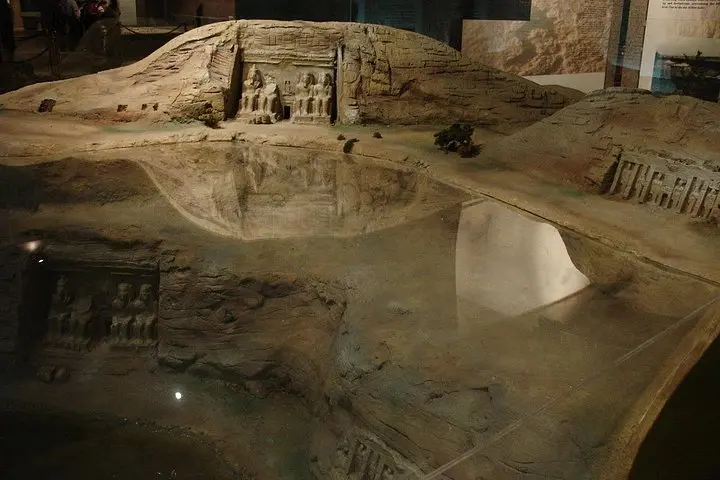
This region sits at the crossroads of Pharaonic Egypt and the ancient kingdoms of Kush; Nubia supplied pharaohs, gold and granite, and its history stretches back millennia. Geologically, Aswan is framed by hard Precambrian granite that was quarried for obelisks and temples; the river carved the lifeline through an otherwise arid landscape. The museum, opened in 1997 and winner of the Aga Khan Award for Architecture, collects artifacts rescued when the Aswan High Dam flooded ancient sites into Lake Nasser.
Culturally, the visit balances everyday life and curated heritage: meet local artisans weaving vivid rugs and carving decorative stone, then move to climate-controlled galleries that display crowns, pottery and reconstructed home interiors.
Practical note: plan 4–6 hours. Morning visits avoid the peak heat; carry water, sun protection and modest clothing out of respect for local norms. The route involves short, even walks on paved and compact dirt surfaces; most stops are accessible with assistance. Bring small bills for handicrafts and a camera—ask before photographing people. The excursion pairs relaxed riverside atmosphere with concrete history: tactile, straightforward and immediately human.
Yes—the itinerary includes entrance fees to the Nubian Museum as part of the tour inclusions.
Expect a 4–6 hour excursion with pickup from central Aswan locations; confirm your pickup point when booking.
No; the village involves short, even walks and is rated easy, but there are some uneven surfaces and steps in traditional homes.
Yes—local artisans sell textiles, pottery and carvings; bring small change and haggle politely.
Menatours operates guided outdoor trips and adventures with an emphasis on safety, stewardship, and memorable experiences.
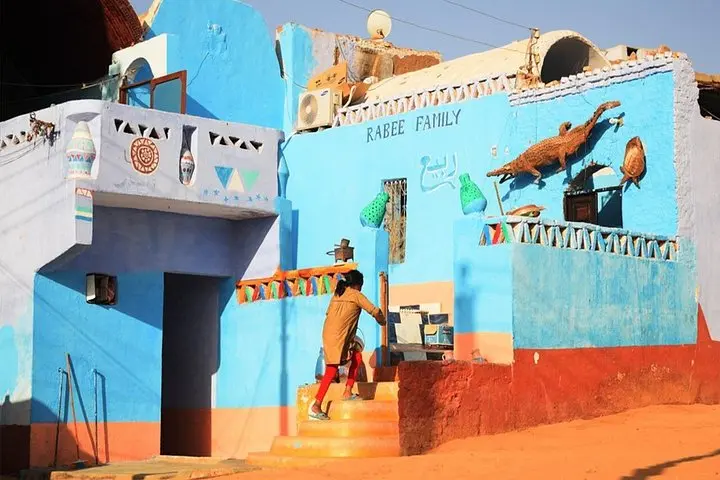
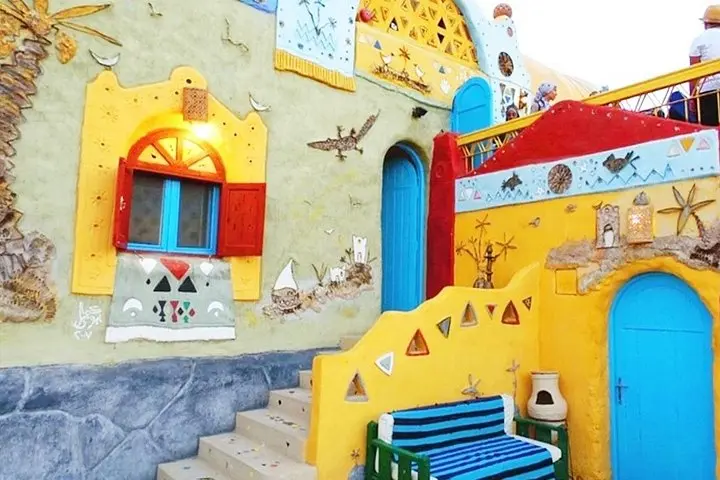
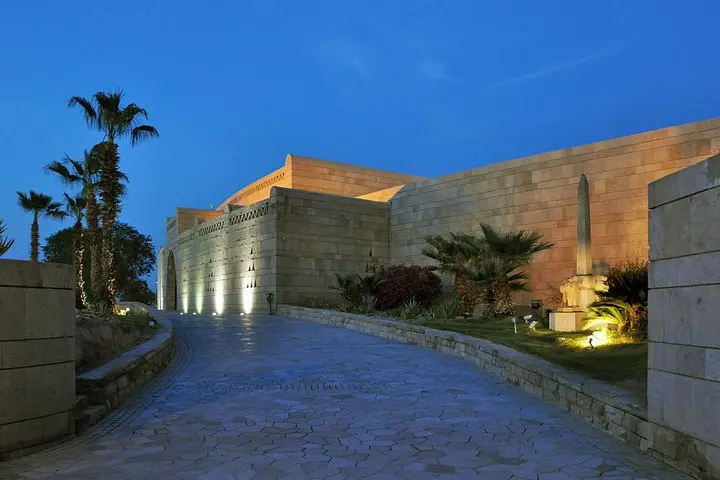
The Nile widens and the sun throws a hard, golden light off scoured granite as you step from your vehicle into a compact Nubian village on the west bank of Aswan. Painted façades—blues, ochres and turmeric—line narrow alleys where children weave between low houses, and the scent of strong mint tea drifts from shaded courtyards. A short ferry or bridge crossing later, the Nubian Museum rises with low, sun-bleached walls that echo the desert’s sandstone tones.
The Nile widens and the sun throws a hard, golden light off scoured granite as you step from your vehicle into a compact Nubian village on the west bank of Aswan. Painted façades—blues, ochres and turmeric—line narrow alleys where children weave between low houses, and the scent of strong mint tea drifts from shaded courtyards. A short ferry or bridge crossing later, the Nubian Museum rises with low, sun-bleached walls that echo the desert’s sandstone tones.
This region sits at the crossroads of Pharaonic Egypt and the ancient kingdoms of Kush; Nubia supplied pharaohs, gold and granite, and its history stretches back millennia. Geologically, Aswan is framed by hard Precambrian granite that was quarried for obelisks and temples; the river carved the lifeline through an otherwise arid landscape. The museum, opened in 1997 and winner of the Aga Khan Award for Architecture, collects artifacts rescued when the Aswan High Dam flooded ancient sites into Lake Nasser.
Culturally, the visit balances everyday life and curated heritage: meet local artisans weaving vivid rugs and carving decorative stone, then move to climate-controlled galleries that display crowns, pottery and reconstructed home interiors.
Practical note: plan 4–6 hours. Morning visits avoid the peak heat; carry water, sun protection and modest clothing out of respect for local norms. The route involves short, even walks on paved and compact dirt surfaces; most stops are accessible with assistance. Bring small bills for handicrafts and a camera—ask before photographing people. The excursion pairs relaxed riverside atmosphere with concrete history: tactile, straightforward and immediately human.