THE ADVENTURE COLLECTIVE® · Independent discovery and booking for outdoor travel

Cross the famous Yellow Bridge, feel Blue Lagoon’s power, and glide through peaceful mangroves on this compact half-day tour of Nusa Lembongan and Ceningan. Practical tips and clear logistics help you prepare for snorkeling, cliff viewpoints, and village visits.
Cross the famous Yellow Bridge, feel Blue Lagoon’s power, and glide through peaceful mangroves on this compact half-day tour of Nusa Lembongan and Ceningan. Practical tips and clear logistics help you prepare for snorkeling, cliff viewpoints, and village visits.
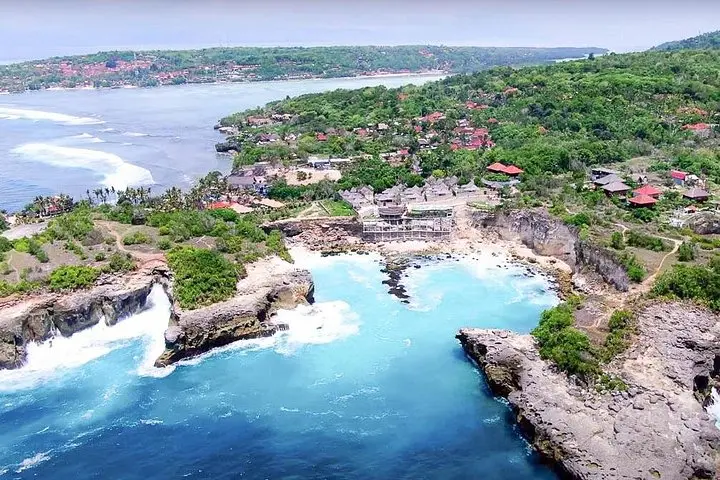
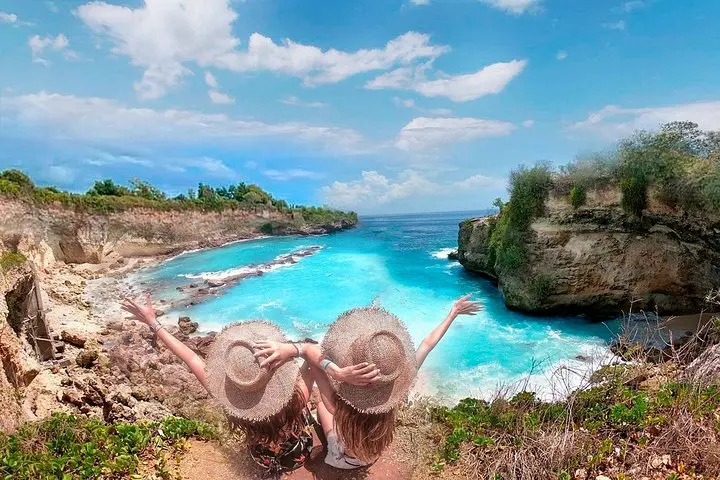
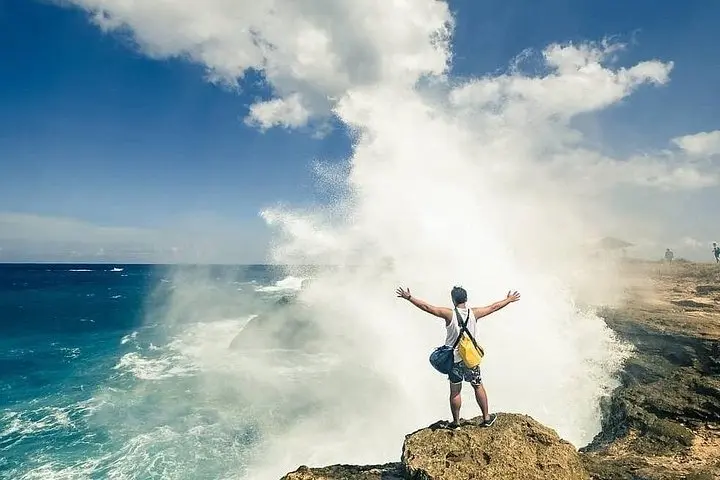
You step off the bangka with salt in the air and the island’s limestone cliffs already carving the horizon — yellow paint on a rickety suspension bridge marking the route to Ceningan. Waves batter the Blue Lagoon below; the water dares you closer while the mangroves inland hold a quieter current, offering cool shade from the tropical sun.
Verified experiences and guided adventures in the surrounding area.
Operated by Nusa Penida info · Nusa Lembongan, Bali
You step off the bangka with salt in the air and the island’s limestone cliffs already carving the horizon — yellow paint on a rickety suspension bridge marking the route to Ceningan. Waves batter the Blue Lagoon below; the water dares you closer while the mangroves inland hold a quieter current, offering cool shade from the tropical sun.
These two isles sit just southeast of Bali and have risen from coral limestone and volcanic soils. Historically used by local fishing communities, the islands now host a mix of small Balinese settlements, cliffside viewpoints, and carved caves such as Gala-Gala, an underground house built by a single craftsman over decades. Geology is on display: wind-sculpted cliffs, reef flats, and pockets of mangrove where juvenile fish hide.
Culturally, villages retain Hindu-Balinese practices—temple shrines and offerings appear at unexpected corners—while tourism supports small family businesses: warungs, boatmen, and local guides.
Practically, this is an easy half-day circuit (about 3–4 hours) of short walks, viewpoints, and optional snorkeling. Expect uneven steps, salt-slick rock edges, and a few ladders down to beach access. Bring reef-safe sunscreen, a mask if you prefer your own, and reef shoes for rocky entries. Tides and swell can make some cliff-access points dangerous; listen to your guide and avoid jumping at high tide. Photography is best in morning or late afternoon light. If you’re leaving from Sanur, plan boat transfers and give yourself an hour buffer for crossings — sea conditions change fast.
By balancing curiosity with caution, you’ll feel the islands’ raw coastal energy and leave with a clearer sense of their island life and geology.
No — tours are designed for all levels; basic swimming ability is recommended for snorkeling, and life jackets are typically provided.
Many operators include return transfers from Sanur; confirm pickup location and whether speedboat crossings are part of the package when booking.
Cliff jumping happens but is weather- and tide-dependent; follow your guide’s instructions and avoid jumping when swell is high or when signs prohibit it.
Basic restrooms and small warungs are available near main beaches and villages; bring cash and water for longer stretches between stops.
Nusa Penida info operates guided outdoor trips and adventures with an emphasis on safety, stewardship, and memorable experiences.

You step off the bangka with salt in the air and the island’s limestone cliffs already carving the horizon — yellow paint on a rickety suspension bridge marking the route to Ceningan. Waves batter the Blue Lagoon below; the water dares you closer while the mangroves inland hold a quieter current, offering cool shade from the tropical sun.
You step off the bangka with salt in the air and the island’s limestone cliffs already carving the horizon — yellow paint on a rickety suspension bridge marking the route to Ceningan. Waves batter the Blue Lagoon below; the water dares you closer while the mangroves inland hold a quieter current, offering cool shade from the tropical sun.
These two isles sit just southeast of Bali and have risen from coral limestone and volcanic soils. Historically used by local fishing communities, the islands now host a mix of small Balinese settlements, cliffside viewpoints, and carved caves such as Gala-Gala, an underground house built by a single craftsman over decades. Geology is on display: wind-sculpted cliffs, reef flats, and pockets of mangrove where juvenile fish hide.
Culturally, villages retain Hindu-Balinese practices—temple shrines and offerings appear at unexpected corners—while tourism supports small family businesses: warungs, boatmen, and local guides.
Practically, this is an easy half-day circuit (about 3–4 hours) of short walks, viewpoints, and optional snorkeling. Expect uneven steps, salt-slick rock edges, and a few ladders down to beach access. Bring reef-safe sunscreen, a mask if you prefer your own, and reef shoes for rocky entries. Tides and swell can make some cliff-access points dangerous; listen to your guide and avoid jumping at high tide. Photography is best in morning or late afternoon light. If you’re leaving from Sanur, plan boat transfers and give yourself an hour buffer for crossings — sea conditions change fast.
By balancing curiosity with caution, you’ll feel the islands’ raw coastal energy and leave with a clearer sense of their island life and geology.