THE ADVENTURE COLLECTIVE® · Independent discovery and booking for outdoor travel

Walk the heartbeat of Old Pune on a compact 3–4 hour guided loop from Shaniwar Wada through temples, markets, and artisan lanes. Expect close-up craft demonstrations, lively bazaars, and local history woven by a city expert.
Walk the heartbeat of Old Pune on a compact 3–4 hour guided loop from Shaniwar Wada through temples, markets, and artisan lanes. Expect close-up craft demonstrations, lively bazaars, and local history woven by a city expert.
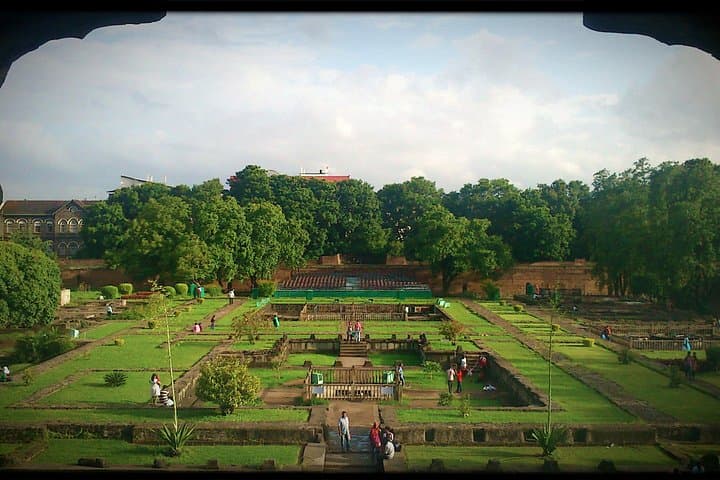
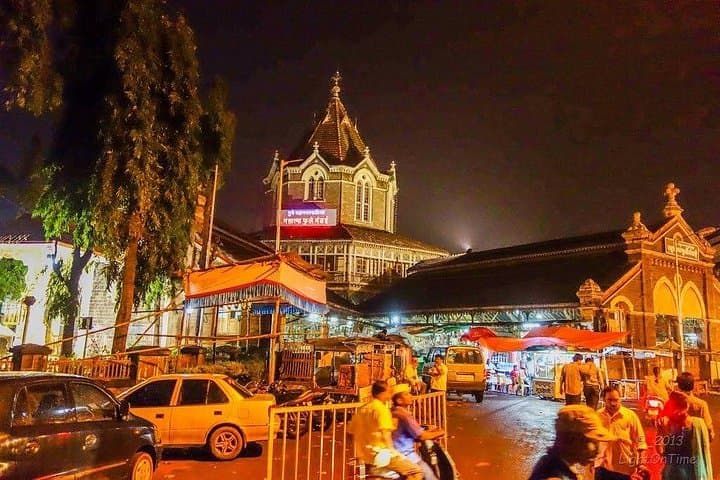
You step out into the narrow lanes of Old Pune with the city already awake — sari-clad shopkeepers arranging brassware, the clack of copper hammers, and a temple bell calling attention down the street. The guide threads stories between buildings: the scars of cannon fire at Shaniwar Wada, the steady hands of a copper-smith, and the neat rows of bangles at Jyotiba Phule Mandai. The air carries spices, citrus, and the occasional diesel breath of a passing auto-rickshaw; the city pushes and cajoles you forward.
Verified experiences and guided adventures in the surrounding area.
Operated by City Tours India · Pune, Maharashtra
You step out into the narrow lanes of Old Pune with the city already awake — sari-clad shopkeepers arranging brassware, the clack of copper hammers, and a temple bell calling attention down the street. The guide threads stories between buildings: the scars of cannon fire at Shaniwar Wada, the steady hands of a copper-smith, and the neat rows of bangles at Jyotiba Phule Mandai. The air carries spices, citrus, and the occasional diesel breath of a passing auto-rickshaw; the city pushes and cajoles you forward.
Pune sits on the western edge of the Deccan Plateau, its basalt foundations shaped by ancient lava flows and rain-sculpted ridgelines. Under the Peshwa rule the city grew into an administrative and cultural hub; Shaniwar Wada was the seat of that power, and nearby wada mansions and temples reflect 18th–19th century Maratha civic life. Today the route stitches together living crafts — copper work, bamboo artisans — with devotional culture at Dagdusheth and Kasba Ganpati, where daily rituals bring devotees into the lanes.
Practicalities are simple but important: this 3–4 hour walk covers paved and uneven surfaces, frequent market crowds, and short climbs up courtyard steps. Bring sun protection, refillable water, and comfortable closed-toe shoes. Dress modestly for temple visits and be ready to remove footwear at shrines. Mornings are cooler and best for photography; guides usually finish near Vishrambaug Wada and can flag a tuk-tuk onward. The tour is short on elevation but rich in texture — history in stone, craft in hand, and the city’s rhythm underfoot.
The tour runs about 3–4 hours and moves at an easy to moderate walking pace with frequent stops for sites and explanations.
Yes — the tour description lists that entrance tickets and all sightseeing as per the itinerary are included.
Generally yes; it’s suitable for most fitness levels, but those with serious mobility issues or heart conditions should avoid strenuous walking or consult first.
Dress modestly for temple visits and be prepared to remove shoes when entering shrines; wear comfortable, closed-toe shoes for the walking sections.
City Tours India operates guided outdoor trips and adventures with an emphasis on safety, stewardship, and memorable experiences.


You step out into the narrow lanes of Old Pune with the city already awake — sari-clad shopkeepers arranging brassware, the clack of copper hammers, and a temple bell calling attention down the street. The guide threads stories between buildings: the scars of cannon fire at Shaniwar Wada, the steady hands of a copper-smith, and the neat rows of bangles at Jyotiba Phule Mandai. The air carries spices, citrus, and the occasional diesel breath of a passing auto-rickshaw; the city pushes and cajoles you forward.
You step out into the narrow lanes of Old Pune with the city already awake — sari-clad shopkeepers arranging brassware, the clack of copper hammers, and a temple bell calling attention down the street. The guide threads stories between buildings: the scars of cannon fire at Shaniwar Wada, the steady hands of a copper-smith, and the neat rows of bangles at Jyotiba Phule Mandai. The air carries spices, citrus, and the occasional diesel breath of a passing auto-rickshaw; the city pushes and cajoles you forward.
Pune sits on the western edge of the Deccan Plateau, its basalt foundations shaped by ancient lava flows and rain-sculpted ridgelines. Under the Peshwa rule the city grew into an administrative and cultural hub; Shaniwar Wada was the seat of that power, and nearby wada mansions and temples reflect 18th–19th century Maratha civic life. Today the route stitches together living crafts — copper work, bamboo artisans — with devotional culture at Dagdusheth and Kasba Ganpati, where daily rituals bring devotees into the lanes.
Practicalities are simple but important: this 3–4 hour walk covers paved and uneven surfaces, frequent market crowds, and short climbs up courtyard steps. Bring sun protection, refillable water, and comfortable closed-toe shoes. Dress modestly for temple visits and be ready to remove footwear at shrines. Mornings are cooler and best for photography; guides usually finish near Vishrambaug Wada and can flag a tuk-tuk onward. The tour is short on elevation but rich in texture — history in stone, craft in hand, and the city’s rhythm underfoot.