THE ADVENTURE COLLECTIVE® · Independent discovery and booking for outdoor travel

A compact guided walk through Oran that links narrow casbah alleys, an 1882 scientific museum and the hilltop Santa Cruz Fort. Expect artisans, Ottoman houses and a short climb to sweeping Mediterranean views.
A compact guided walk through Oran that links narrow casbah alleys, an 1882 scientific museum and the hilltop Santa Cruz Fort. Expect artisans, Ottoman houses and a short climb to sweeping Mediterranean views.
The street narrows and the guide signals to look up — a row of carved balconies leans over you like a second skyline, and the pace of the city drops to the rhythm of footsteps. This guided loop through Oran’s older quarters and hilltop fortress stitches alleys, a compact museum, and a commanding Spanish-era fort into a two- to three-hour cultural walk.
Verified experiences and guided adventures in the surrounding area.
Operated by Karima · Oran, Oran Province
The street narrows and the guide signals to look up — a row of carved balconies leans over you like a second skyline, and the pace of the city drops to the rhythm of footsteps. This guided loop through Oran’s older quarters and hilltop fortress stitches alleys, a compact museum, and a commanding Spanish-era fort into a two- to three-hour cultural walk.
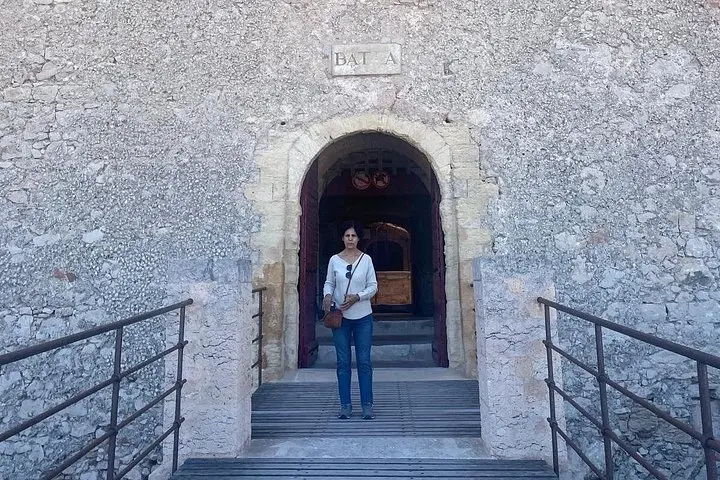
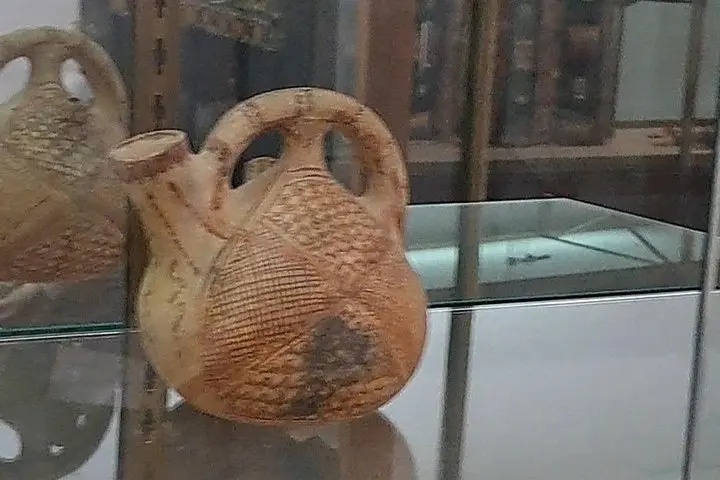
You’ll pass Ottoman-era houses with inner courtyards, artisans hammering metal and weaving, and mosques whose minarets have marked the city’s skyline for centuries. The Scientific and Historical Museum (est. 1882) offers a concentrated look at regional archaeology, colonial-era exhibits and natural history displays that explain Oran’s geology and its coastal salt-influenced soils. Santa Cruz Fort, built during Spanish rule between the late 16th and early 17th centuries, sits on the Murdjadjo ridge and gives panoramic views of the harbor and Mediterranean — a clear explanation for its defensive siting.
Expect mixed terrain: paved alleys, uneven stone steps and a short climb to the fort (elevation gain under 200 m). The area’s limestone outcrops and coastal winds shaped settlement patterns here; local culture is a blend of Arabic, Andalusian and colonial influences evident in food, music and craftwork.
Practical guidance: wear sturdy walking shoes, bring sun protection and a filled water bottle, and plan for narrow lanes that limit accessibility. Tour groups are small; allow 2–3 hours and moderate fitness for unrestricted enjoyment. Early morning or late afternoon light offers cooler conditions and the best photos of the fort and harbor.
The guided experience runs about 2–3 hours depending on group pace and chosen route.
There are short, steep sections and many stone steps up to Santa Cruz; moderate fitness is recommended.
This tour description indicates museum admission is included for the Oran museum pavilion visit.
Children with reasonable mobility are fine, but narrow alleys and stairs make strollers impractical.
Karima operates guided outdoor trips and adventures with an emphasis on safety, stewardship, and memorable experiences.

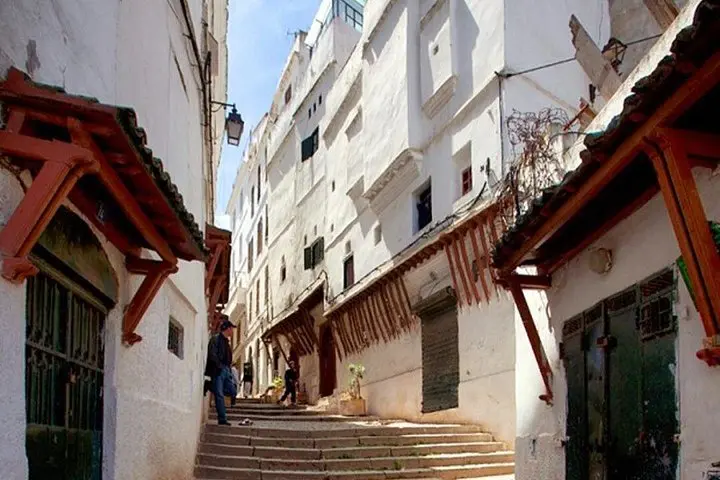
The street narrows and the guide signals to look up — a row of carved balconies leans over you like a second skyline, and the pace of the city drops to the rhythm of footsteps. This guided loop through Oran’s older quarters and hilltop fortress stitches alleys, a compact museum, and a commanding Spanish-era fort into a two- to three-hour cultural walk.
The street narrows and the guide signals to look up — a row of carved balconies leans over you like a second skyline, and the pace of the city drops to the rhythm of footsteps. This guided loop through Oran’s older quarters and hilltop fortress stitches alleys, a compact museum, and a commanding Spanish-era fort into a two- to three-hour cultural walk.
You’ll pass Ottoman-era houses with inner courtyards, artisans hammering metal and weaving, and mosques whose minarets have marked the city’s skyline for centuries. The Scientific and Historical Museum (est. 1882) offers a concentrated look at regional archaeology, colonial-era exhibits and natural history displays that explain Oran’s geology and its coastal salt-influenced soils. Santa Cruz Fort, built during Spanish rule between the late 16th and early 17th centuries, sits on the Murdjadjo ridge and gives panoramic views of the harbor and Mediterranean — a clear explanation for its defensive siting.
Expect mixed terrain: paved alleys, uneven stone steps and a short climb to the fort (elevation gain under 200 m). The area’s limestone outcrops and coastal winds shaped settlement patterns here; local culture is a blend of Arabic, Andalusian and colonial influences evident in food, music and craftwork.
Practical guidance: wear sturdy walking shoes, bring sun protection and a filled water bottle, and plan for narrow lanes that limit accessibility. Tour groups are small; allow 2–3 hours and moderate fitness for unrestricted enjoyment. Early morning or late afternoon light offers cooler conditions and the best photos of the fort and harbor.