THE ADVENTURE COLLECTIVE® · Independent discovery and booking for outdoor travel

Just an hour from Porto, Peneda‑Gerês compresses wild water, granite villages and terraced fields into two days of accessible hiking and local culture. Expect easy trails, hidden waterfalls, a countryside bungalow and a close look at northern Portugal’s rural traditions.
Just an hour from Porto, Peneda‑Gerês compresses wild water, granite villages and terraced fields into two days of accessible hiking and local culture. Expect easy trails, hidden waterfalls, a countryside bungalow and a close look at northern Portugal’s rural traditions.
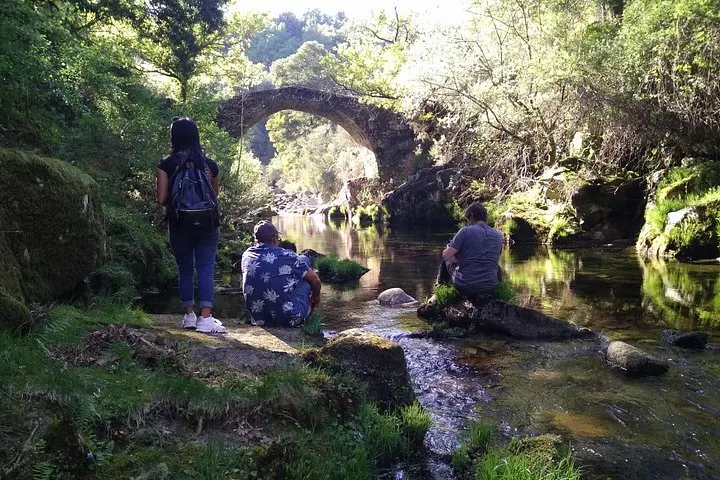
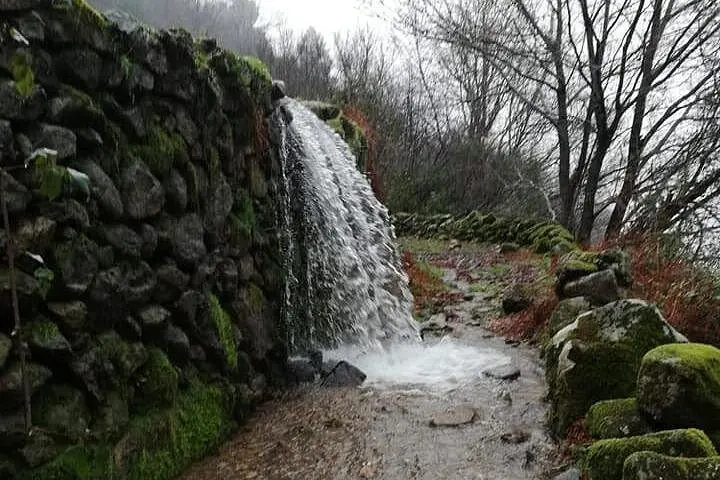
The van eases out of Porto’s stone-cold avenues and the city’s hard edges give way to green that seems intent on taking over. After roughly an hour the asphalt thins and the first granite shoulders of Peneda-Gerês rise—rugged folds of rock and forested ridgelines where streams dare you closer and waterfalls push newcomers into quiet admiration.
Verified experiences and guided adventures in the surrounding area.
Operated by Portugal Autêntico · Vila do Gerês, Braga District
The van eases out of Porto’s stone-cold avenues and the city’s hard edges give way to green that seems intent on taking over. After roughly an hour the asphalt thins and the first granite shoulders of Peneda-Gerês rise—rugged folds of rock and forested ridgelines where streams dare you closer and waterfalls push newcomers into quiet admiration.
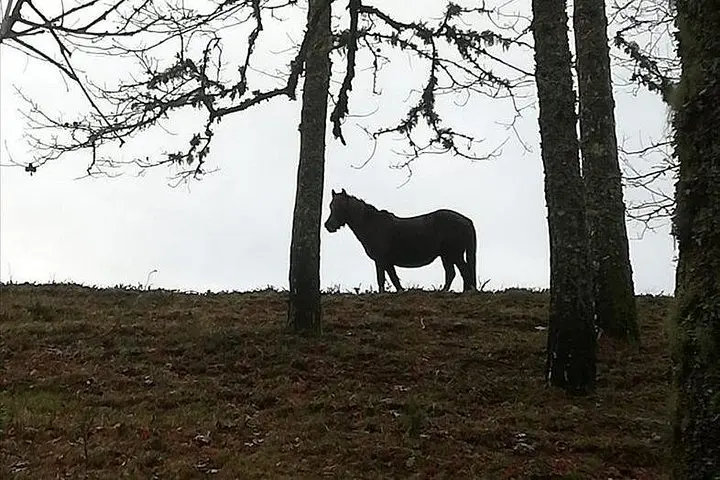
Over two days the itinerary reads like a concentrated primer on northern Portugal: short, easy hikes to crystalline lagoons and hidden falls; a night in a countryside bungalow; and visits to heritage villages where grain granaries—espigueiros—stand on slabs of granite like tiny altars to a subsistence past. Guides point out traces of Roman roads and megalithic necropolises, and explain the seasonal migration of shepherds between brandas and inverneiras. If you’re lucky, the low, confident tracks of the native garrano horse or a fleeting glimpse of the Iberian wolf’s territory lend a wild edge to the landscape.
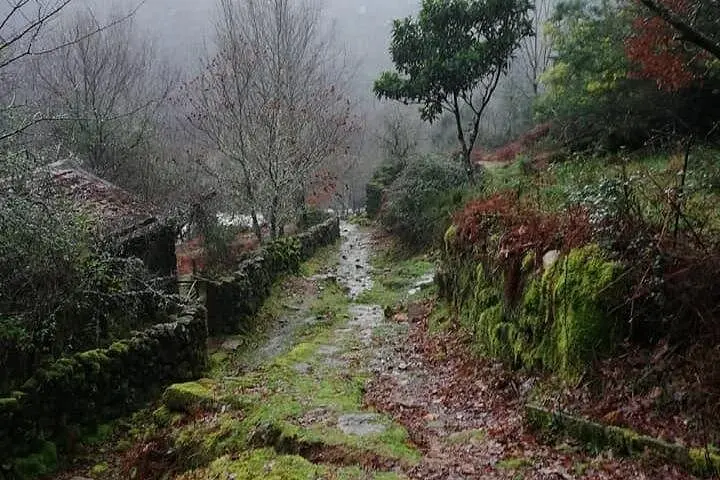
Geology here is blunt and honest—granite outcrops smoothed by millennia of frost and water, carving natural basins that hold mirror-calm lagoons. Human history reads in stone too: ancient terraces at Sistelo, a winner in the 7 Wonders of Portugal contest, still feed thin fields; Soajo’s clustered espigueiros demonstrate practical design and stubborn tradition. Culture is tactile—old mills, stone ovens and water channels (levadas) that still map how people and water coexist.
The walking is deliberately accessible: most hikes are short (2–6 km), with gentle elevation changes and solid paths—expect sections of granite slab, forest track and occasional muddy steps. Weather shifts fast in the mountains; layers and rain protection matter more than weight. Day two’s high points are viewpoints and the quiet of villages where local cafés serve coffee and wrapped pastries that taste of butter and flour.
Practical notes: the tour includes pickup/drop-off in Porto, a guided driver, one night double bungalow accommodation, and photos of the trip. Pack a sturdy pair of hiking shoes, swimwear for plunging into approved lagoons, and a compact daypack with water and snack staples. Respect signage—some pools and thermals are environmentally sensitive—and carry cash for small village purchases.
In two days Peneda-Gerês offers broad, honest landscape and a short cultural immersion: waterfalls that pull you out of the city’s rhythm, granite villages that refuse to hurry, and a landscape that keeps teaching if you let it.
Pickup in central Porto is about a 1–1.5 hour drive to the Gerês area depending on traffic.
Hikes are easy to moderate—short distances on maintained trails, suitable for most people in average physical condition.
Yes, swimming is allowed in many lagoons but your guide will indicate safe and environmentally appropriate spots.
Pickup/drop-off in Porto, local guide/driver, photos of the tour, one night double bungalow accommodation, insurance, and fees are included.
Yes — let the operator know at booking and they will try to accommodate local meal options and any special requests.
The tour is family-friendly and described as physically easy; however, note it’s not recommended for people with serious back, heart, or pregnancy-related concerns.
Portugal Autêntico operates guided outdoor trips and adventures with an emphasis on safety, stewardship, and memorable experiences.
The van eases out of Porto’s stone-cold avenues and the city’s hard edges give way to green that seems intent on taking over. After roughly an hour the asphalt thins and the first granite shoulders of Peneda-Gerês rise—rugged folds of rock and forested ridgelines where streams dare you closer and waterfalls push newcomers into quiet admiration.
The van eases out of Porto’s stone-cold avenues and the city’s hard edges give way to green that seems intent on taking over. After roughly an hour the asphalt thins and the first granite shoulders of Peneda-Gerês rise—rugged folds of rock and forested ridgelines where streams dare you closer and waterfalls push newcomers into quiet admiration.
Over two days the itinerary reads like a concentrated primer on northern Portugal: short, easy hikes to crystalline lagoons and hidden falls; a night in a countryside bungalow; and visits to heritage villages where grain granaries—espigueiros—stand on slabs of granite like tiny altars to a subsistence past. Guides point out traces of Roman roads and megalithic necropolises, and explain the seasonal migration of shepherds between brandas and inverneiras. If you’re lucky, the low, confident tracks of the native garrano horse or a fleeting glimpse of the Iberian wolf’s territory lend a wild edge to the landscape.
Geology here is blunt and honest—granite outcrops smoothed by millennia of frost and water, carving natural basins that hold mirror-calm lagoons. Human history reads in stone too: ancient terraces at Sistelo, a winner in the 7 Wonders of Portugal contest, still feed thin fields; Soajo’s clustered espigueiros demonstrate practical design and stubborn tradition. Culture is tactile—old mills, stone ovens and water channels (levadas) that still map how people and water coexist.
The walking is deliberately accessible: most hikes are short (2–6 km), with gentle elevation changes and solid paths—expect sections of granite slab, forest track and occasional muddy steps. Weather shifts fast in the mountains; layers and rain protection matter more than weight. Day two’s high points are viewpoints and the quiet of villages where local cafés serve coffee and wrapped pastries that taste of butter and flour.
Practical notes: the tour includes pickup/drop-off in Porto, a guided driver, one night double bungalow accommodation, and photos of the trip. Pack a sturdy pair of hiking shoes, swimwear for plunging into approved lagoons, and a compact daypack with water and snack staples. Respect signage—some pools and thermals are environmentally sensitive—and carry cash for small village purchases.
In two days Peneda-Gerês offers broad, honest landscape and a short cultural immersion: waterfalls that pull you out of the city’s rhythm, granite villages that refuse to hurry, and a landscape that keeps teaching if you let it.