THE ADVENTURE COLLECTIVE® · Independent discovery and booking for outdoor travel

Spend three hours exploring SE Hawthorne’s lively thrift scene with a local guide. Expect curated boutiques, value “bins,” and food-cart lunch stops while learning about Portland’s reuse culture.
Spend three hours exploring SE Hawthorne’s lively thrift scene with a local guide. Expect curated boutiques, value “bins,” and food-cart lunch stops while learning about Portland’s reuse culture.
The morning begins with the sharp aroma of espresso and the low buzz of Hawthorne Avenue — a street that dares you to slow down and look closer. You and a small group meet your guide at a café, cups warm in hand, maps replaced by curiosity. Then it’s on: narrow shop doors, racks of patched denim, and a rhythm of stop-and-sift that turns an ordinary walk into treasure hunting.
Verified experiences and guided adventures in the surrounding area.
Operated by Pacific Wonderland Tours · Portland, Oregon
The morning begins with the sharp aroma of espresso and the low buzz of Hawthorne Avenue — a street that dares you to slow down and look closer. You and a small group meet your guide at a café, cups warm in hand, maps replaced by curiosity. Then it’s on: narrow shop doors, racks of patched denim, and a rhythm of stop-and-sift that turns an ordinary walk into treasure hunting.
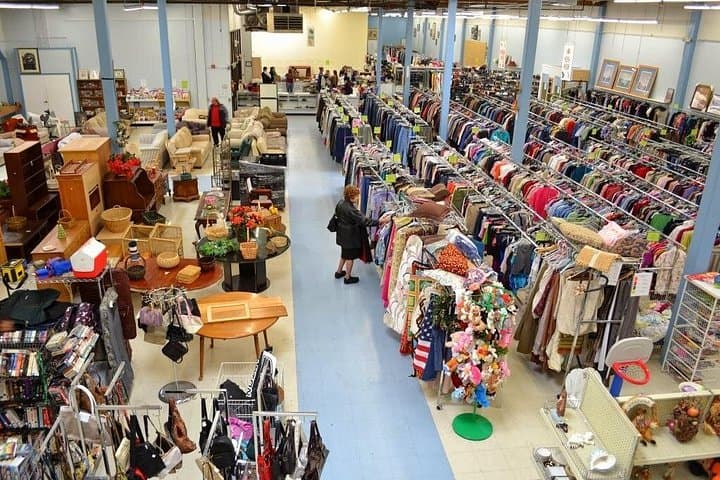
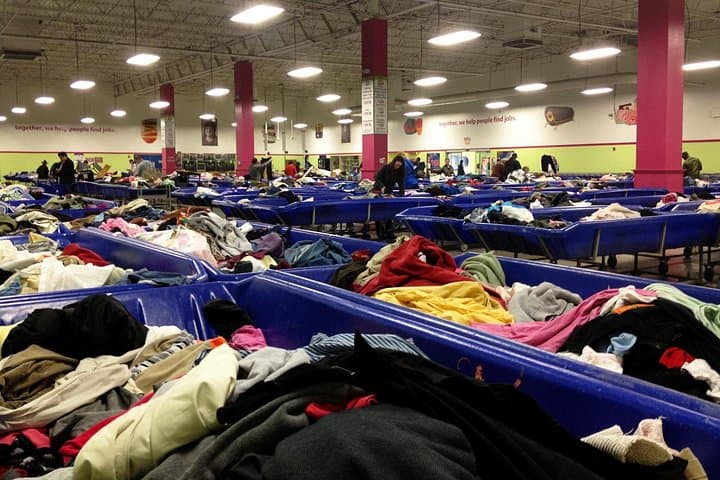
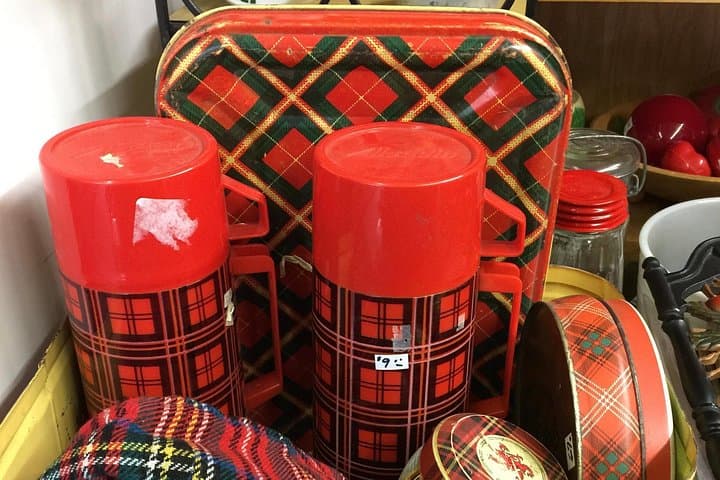
Portland’s thrifting roots are civic as much as cultural; a long-standing local emphasis on reuse, repair, and fighting landfill waste shaped the neighborhood scene. Hawthorne grew in the 20th century as a mixed commercial corridor and now houses everything from value “bins” to curated boutiques carrying designer seconds. Expect a cross-section of styles and eras — military jackets rubbing shoulders with 90s grunge and midcentury linens — and a few stories from your guide about the city’s environmental policy and neighborhood history.
Practicality rules the day: this is three hours of steady walking across mostly flat, city pavement with intermittent standing while browsing. Bring a reusable tote for finds, a notepad (or phone) for sizes, and plan to eat at food carts if hunger strikes. Weekday mornings are quieter; weekends are busier but richer for variety. Cash can speed transactions at small shops, though cards are widely accepted. Wear comfortable shoes and dress in layers — Portland’s weather can shift quickly.
For people who enjoy slow exploration, local history, and sustainable shopping, this tour turns secondhand retail into a compact urban adventure that rewards patience and a keen eye.
The tour runs about three hours and involves steady walking along SE Hawthorne with short stops to browse inside shops; expect a moderate pace.
No — purchases are separate; the guide helps locate items but you pay each shop individually.
Children can join, but the tour requires standing and walking; contact the operator to discuss accommodations for mobility limitations.
Most stores accept cards, but smaller vendors may prefer cash, so bring some small bills just in case.
Pacific Wonderland Tours operates guided outdoor trips and adventures with an emphasis on safety, stewardship, and memorable experiences.
The morning begins with the sharp aroma of espresso and the low buzz of Hawthorne Avenue — a street that dares you to slow down and look closer. You and a small group meet your guide at a café, cups warm in hand, maps replaced by curiosity. Then it’s on: narrow shop doors, racks of patched denim, and a rhythm of stop-and-sift that turns an ordinary walk into treasure hunting.
The morning begins with the sharp aroma of espresso and the low buzz of Hawthorne Avenue — a street that dares you to slow down and look closer. You and a small group meet your guide at a café, cups warm in hand, maps replaced by curiosity. Then it’s on: narrow shop doors, racks of patched denim, and a rhythm of stop-and-sift that turns an ordinary walk into treasure hunting.
Portland’s thrifting roots are civic as much as cultural; a long-standing local emphasis on reuse, repair, and fighting landfill waste shaped the neighborhood scene. Hawthorne grew in the 20th century as a mixed commercial corridor and now houses everything from value “bins” to curated boutiques carrying designer seconds. Expect a cross-section of styles and eras — military jackets rubbing shoulders with 90s grunge and midcentury linens — and a few stories from your guide about the city’s environmental policy and neighborhood history.
Practicality rules the day: this is three hours of steady walking across mostly flat, city pavement with intermittent standing while browsing. Bring a reusable tote for finds, a notepad (or phone) for sizes, and plan to eat at food carts if hunger strikes. Weekday mornings are quieter; weekends are busier but richer for variety. Cash can speed transactions at small shops, though cards are widely accepted. Wear comfortable shoes and dress in layers — Portland’s weather can shift quickly.
For people who enjoy slow exploration, local history, and sustainable shopping, this tour turns secondhand retail into a compact urban adventure that rewards patience and a keen eye.