THE ADVENTURE COLLECTIVE® · Independent discovery and booking for outdoor travel

Step into Preston Manor’s Edwardian rooms and gardens to experience the social history of the Stanfords and their servants. This concise guide covers what to expect, practical tips for visiting, and why the house rewards a slow, observant visit.
Step into Preston Manor’s Edwardian rooms and gardens to experience the social history of the Stanfords and their servants. This concise guide covers what to expect, practical tips for visiting, and why the house rewards a slow, observant visit.
You step off a quiet lane and the brick face of an Edwardian house greets you, its sash windows catching a soft coastal light. Inside, the “upstairs-downstairs” rhythm of the Stanford household still shapes rooms that hold furniture, portraits and the practical clutter of service life.
Verified experiences and guided adventures in the surrounding area.
Operated by Brighton Museum & Art Gallery · Brighton, East Sussex
You step off a quiet lane and the brick face of an Edwardian house greets you, its sash windows catching a soft coastal light. Inside, the “upstairs-downstairs” rhythm of the Stanford household still shapes rooms that hold furniture, portraits and the practical clutter of service life.
Preston Manor sits on land that became fashionable in the late 19th and early 20th centuries as Brighton expanded north from the seafront. The house’s architecture reflects Edwardian tastes—simpler lines than Victorian excess—and its gardens follow a working layout that once supplied the household. Local lore includes whispered ghost stories and the visible traces of social hierarchy in separate family and servant areas.
A visit moves between parlours with original fittings, the kitchen wing and the compact servant quarters, then out to sheltered lawns and a walled kitchen-garden remnant. The interpretation brings social history into view: domestic service, changing fashions, and Brighton’s growth as a seaside town.
Practical guidance: allow 45–90 minutes for the main house and an extra half hour for the garden. Tickets are mobile-friendly and confirmed instantly; book ahead for the new-season opening from 5 April 2025. The site is close to public transport and suitable for most mobility levels, though some period staircases are steep. Photography is generally permitted in public rooms—check signage.
Best times are weekday mornings for quieter rooms and late afternoon for warm light on the garden. Bring sensible shoes for gravel paths, a light layer for breezy coastal air, and time to pause on the lawn and imagine the daily life that once pulsed through these rooms.
Tickets are issued instantly and can be mobile or paper; peak times may sell out so book ahead for weekends and holidays.
Service animals are permitted; pets are not generally allowed inside the house—check signage and staff guidance.
The site is suitable for most mobility levels with accessible routes to gardens, but some historic rooms have steps—contact the venue for specifics and assistance.
Photography is usually allowed in public rooms but may be restricted in certain displays; follow posted rules and staff instructions.
Brighton Museum & Art Gallery operates guided outdoor trips and adventures with an emphasis on safety, stewardship, and memorable experiences.
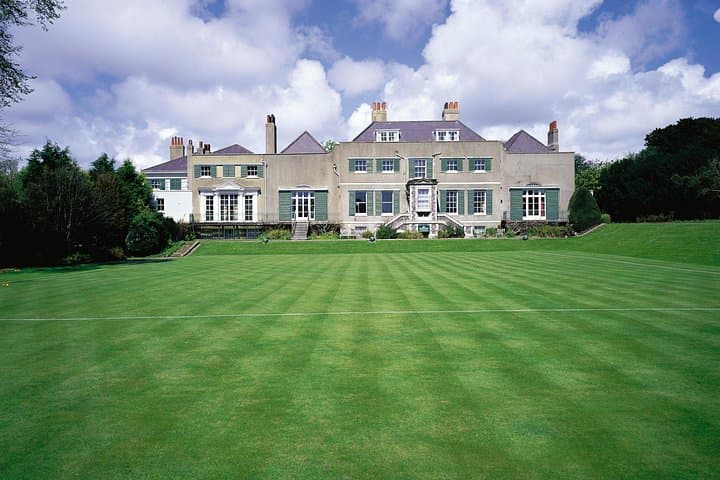
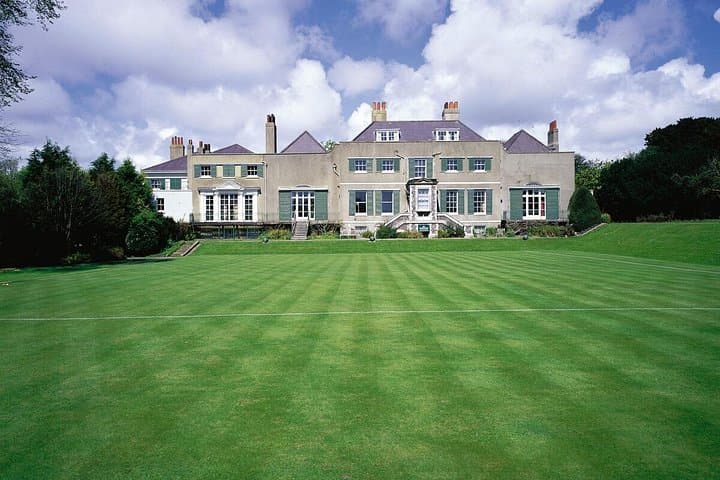
You step off a quiet lane and the brick face of an Edwardian house greets you, its sash windows catching a soft coastal light. Inside, the “upstairs-downstairs” rhythm of the Stanford household still shapes rooms that hold furniture, portraits and the practical clutter of service life.
You step off a quiet lane and the brick face of an Edwardian house greets you, its sash windows catching a soft coastal light. Inside, the “upstairs-downstairs” rhythm of the Stanford household still shapes rooms that hold furniture, portraits and the practical clutter of service life.
Preston Manor sits on land that became fashionable in the late 19th and early 20th centuries as Brighton expanded north from the seafront. The house’s architecture reflects Edwardian tastes—simpler lines than Victorian excess—and its gardens follow a working layout that once supplied the household. Local lore includes whispered ghost stories and the visible traces of social hierarchy in separate family and servant areas.
A visit moves between parlours with original fittings, the kitchen wing and the compact servant quarters, then out to sheltered lawns and a walled kitchen-garden remnant. The interpretation brings social history into view: domestic service, changing fashions, and Brighton’s growth as a seaside town.
Practical guidance: allow 45–90 minutes for the main house and an extra half hour for the garden. Tickets are mobile-friendly and confirmed instantly; book ahead for the new-season opening from 5 April 2025. The site is close to public transport and suitable for most mobility levels, though some period staircases are steep. Photography is generally permitted in public rooms—check signage.
Best times are weekday mornings for quieter rooms and late afternoon for warm light on the garden. Bring sensible shoes for gravel paths, a light layer for breezy coastal air, and time to pause on the lawn and imagine the daily life that once pulsed through these rooms.