THE ADVENTURE COLLECTIVE® · Independent discovery and booking for outdoor travel

Glide through the southernmost continental city on an electric Segway—cover more ground, reach sweeping viewpoints, and experience Punta Arenas’ maritime edges in about three hours. Expect brief training, strong winds, and panoramic payoff.
Glide through the southernmost continental city on an electric Segway—cover more ground, reach sweeping viewpoints, and experience Punta Arenas’ maritime edges in about three hours. Expect brief training, strong winds, and panoramic payoff.
A cold wind off the Strait of Magellan pushes at your jacket as you glide past corrugated metal houses and wide, low horizons. On a silent, electric Segway the city opens up—the waterfront, the naval memorials, a bluff that drops to kelp-lined rocks—and you move faster than foot traffic but slow enough to take in the details: peeling paint, sea-spray on your cheeks, and the distant silhouette of Tierra del Fuego.
Verified experiences and guided adventures in the surrounding area.
Operated by Patagonia Moto Rentals · Punta Arenas, Magallanes y la Antártica Chilena
A cold wind off the Strait of Magellan pushes at your jacket as you glide past corrugated metal houses and wide, low horizons. On a silent, electric Segway the city opens up—the waterfront, the naval memorials, a bluff that drops to kelp-lined rocks—and you move faster than foot traffic but slow enough to take in the details: peeling paint, sea-spray on your cheeks, and the distant silhouette of Tierra del Fuego.
Punta Arenas sits at the southern edge of continental Chile, a former wool‑trade hub shaped by maritime routes and Patagonian winds. Geology here is raw—glacially scoured bedrock, peat bogs, and spits of sand where currents meet open ocean. The city’s culture reflects Chilean, Croatian and maritime legacies, and many routes pass small museums, plazas, and lookouts that tell that story.
Practically, rentals run about three hours and use premium Segway Xyber models with long‑range batteries (advertised up to 90 km) and top speeds near 55 km/h—though rides are safest at much lower speeds around town. Operators provide helmets, gloves and a brief orientation; prior experience isn’t required but steady balance helps. Expect mixed pavement, cycle paths and compacted gravel; watch for gusts that can push you off line. Don’t ride in restricted areas, keep to bike lanes, and avoid wet algae‑coated rocks.
Plan layers (Patagonian weather changes fast), closed‑toe shoes, and a charged phone. Rentals are a practical, low‑impact way to extend your walking radius and see viewpoints most visitors miss—fast, quiet, and surprisingly playful if you respect the terrain and local rules.
No driver’s license is required for the rental models; operators provide a safety briefing and supervise beginners.
Most operators accept a wide age range but restrict pregnant guests and those with certain spinal or heart conditions—check booking questions before you go.
Battery range is advertised up to 90 km, but urban routes and stops typically cover 15–40 km in three hours depending on pace and conditions.
This operator lists all sales final; check the vendor’s weather policy and consider travel insurance for cancellations.
Patagonia Moto Rentals operates guided outdoor trips and adventures with an emphasis on safety, stewardship, and memorable experiences.
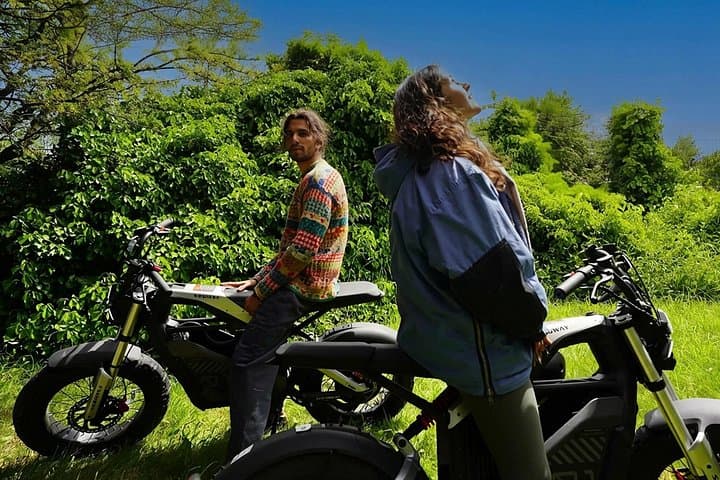


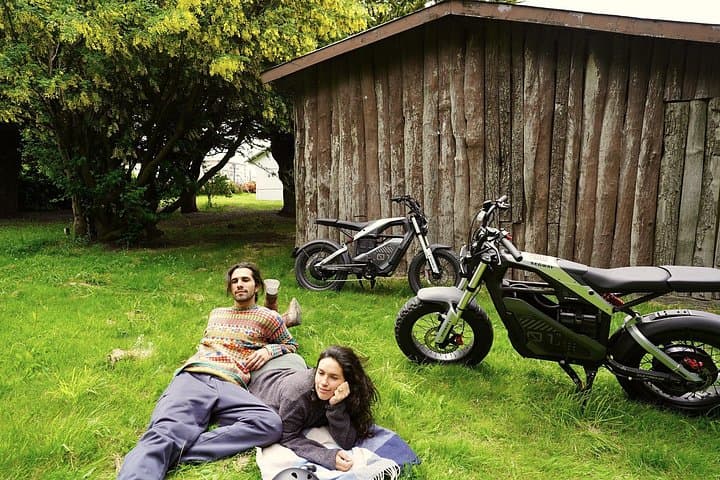
A cold wind off the Strait of Magellan pushes at your jacket as you glide past corrugated metal houses and wide, low horizons. On a silent, electric Segway the city opens up—the waterfront, the naval memorials, a bluff that drops to kelp-lined rocks—and you move faster than foot traffic but slow enough to take in the details: peeling paint, sea-spray on your cheeks, and the distant silhouette of Tierra del Fuego.
A cold wind off the Strait of Magellan pushes at your jacket as you glide past corrugated metal houses and wide, low horizons. On a silent, electric Segway the city opens up—the waterfront, the naval memorials, a bluff that drops to kelp-lined rocks—and you move faster than foot traffic but slow enough to take in the details: peeling paint, sea-spray on your cheeks, and the distant silhouette of Tierra del Fuego.
Punta Arenas sits at the southern edge of continental Chile, a former wool‑trade hub shaped by maritime routes and Patagonian winds. Geology here is raw—glacially scoured bedrock, peat bogs, and spits of sand where currents meet open ocean. The city’s culture reflects Chilean, Croatian and maritime legacies, and many routes pass small museums, plazas, and lookouts that tell that story.
Practically, rentals run about three hours and use premium Segway Xyber models with long‑range batteries (advertised up to 90 km) and top speeds near 55 km/h—though rides are safest at much lower speeds around town. Operators provide helmets, gloves and a brief orientation; prior experience isn’t required but steady balance helps. Expect mixed pavement, cycle paths and compacted gravel; watch for gusts that can push you off line. Don’t ride in restricted areas, keep to bike lanes, and avoid wet algae‑coated rocks.
Plan layers (Patagonian weather changes fast), closed‑toe shoes, and a charged phone. Rentals are a practical, low‑impact way to extend your walking radius and see viewpoints most visitors miss—fast, quiet, and surprisingly playful if you respect the terrain and local rules.