THE ADVENTURE COLLECTIVE® · Independent discovery and booking for outdoor travel

Walk through Riyadh’s defining sites with a local guide—from Al Masmak’s fortifications and Souq al Zal’s incense stalls to the National Museum and, on full-day tours, the mudbrick alleys of Diriyah. Learn the city’s recent history and practical tips for navigating heat, etiquette, and timing.
Walk through Riyadh’s defining sites with a local guide—from Al Masmak’s fortifications and Souq al Zal’s incense stalls to the National Museum and, on full-day tours, the mudbrick alleys of Diriyah. Learn the city’s recent history and practical tips for navigating heat, etiquette, and timing.
The guide leads you through sun-warmed mud brick at Al Masmak, where the narrow slits and thick walls still hint at the 1902 raid that reshaped Saudi Arabia. Walking out into Deera Square and the stalls of Souq al Zal, the air fills with coffee and oud; vendors lift trays of brass and strings of antique keys as stories unfold from an English-speaking local guide.
Verified experiences and guided adventures in the surrounding area.
Operated by Nomadic Tours · Riyadh, Riyadh Province
The guide leads you through sun-warmed mud brick at Al Masmak, where the narrow slits and thick walls still hint at the 1902 raid that reshaped Saudi Arabia. Walking out into Deera Square and the stalls of Souq al Zal, the air fills with coffee and oud; vendors lift trays of brass and strings of antique keys as stories unfold from an English-speaking local guide.
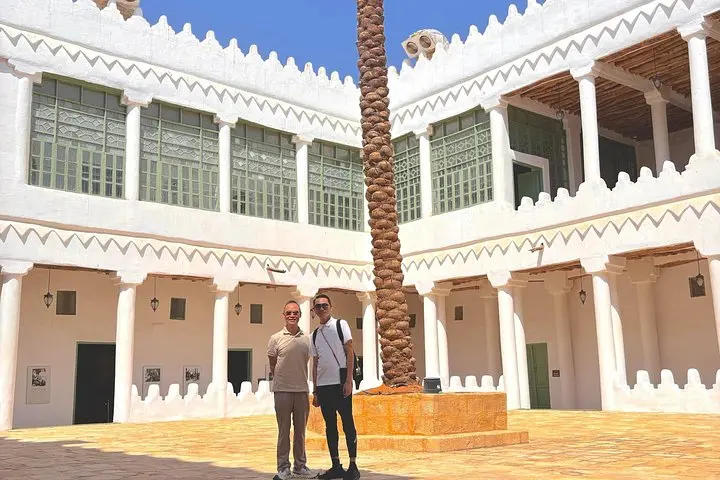
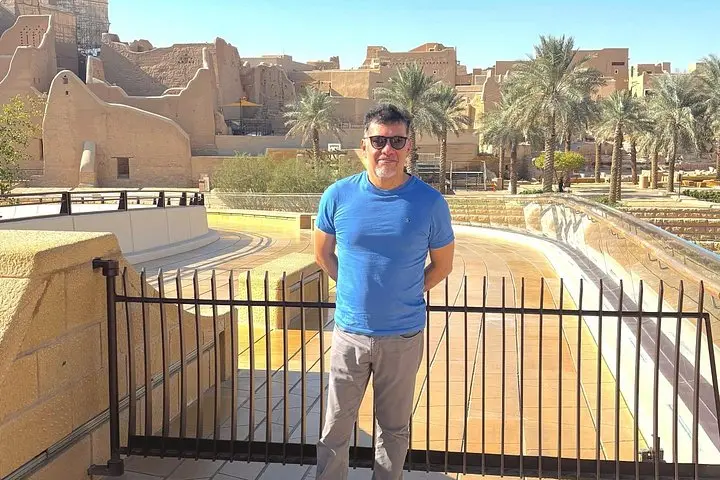
Riyadh’s spine is recent and ancient at once: the National Museum’s glass galleries place prehistoric Arabian artifacts beside Ottoman-era objects, while Murabba Palace shows early 20th-century Najdi architecture and the private life of King Abdulaziz. If you choose the full-day option, Diriyah’s Turaif quarter—restored mudbrick alleys and reconstructed majlis—reveals the cradle of the First Saudi State and the layered politics of the peninsula.
Geology here is mostly sedimentary plain; the city sits on Riyadh’s sandy plateau, so expect hard-packed streets and few natural shade corridors. Culture is public and formal—mosque call to prayer punctuates the day; modest dress and respectful behavior are required.
Practical guidance: half-day covers Masmak, Souq al Zal and museum highlights; full-day adds Diriyah and Bujairi Terrace. Wear sturdy walking shoes, bring 1–2 liters of water, sun protection, and a light scarf for entering religious sites. Tours include entrance fees and transport; confirm pickup options and whether your schedule allows prayer-time pauses. Start early in summer to avoid peak heat and allow time for bargaining in the souq.
Yes—small vendors often prefer cash for bargaining; ATMs are available but carry small bills for purchases.
Parts of the tour (museum and main plazas) are accessible, but older sites like Diriyah or some alleys have uneven ground—confirm accessibility needs when booking.
Yes—this tour includes all listed entrance fees and air-conditioned car transport; check your booking option for hotel pickup and drop-off inclusions.
Shared tours follow a set route; private or customizable options may be available—request changes at booking and expect limited flexibility on shared departures.
Nomadic Tours operates guided outdoor trips and adventures with an emphasis on safety, stewardship, and memorable experiences.
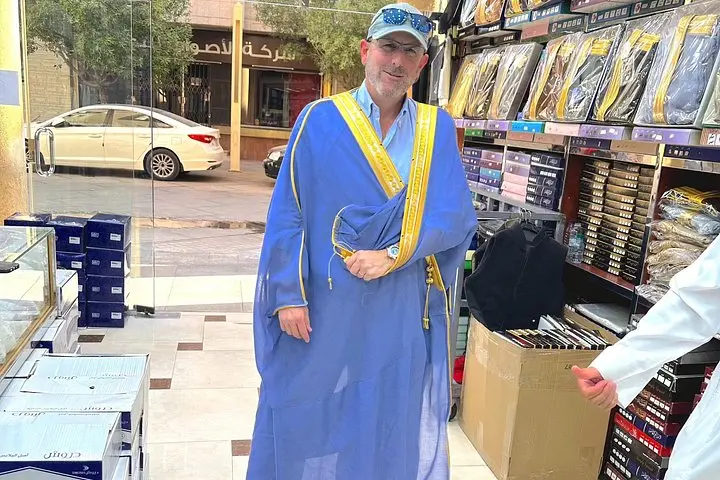
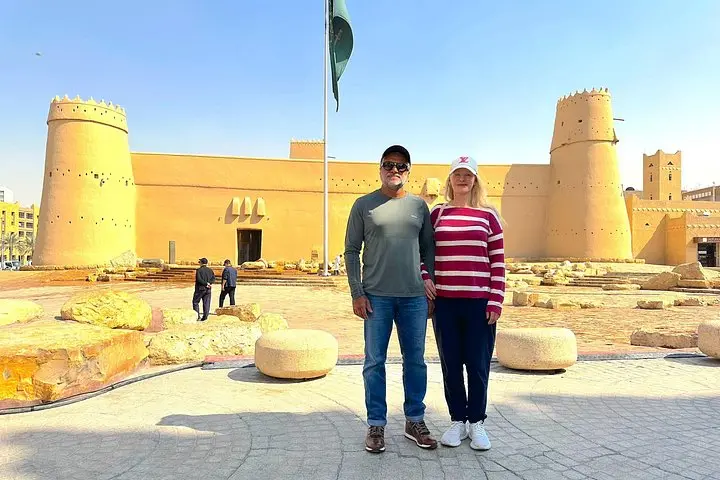
The guide leads you through sun-warmed mud brick at Al Masmak, where the narrow slits and thick walls still hint at the 1902 raid that reshaped Saudi Arabia. Walking out into Deera Square and the stalls of Souq al Zal, the air fills with coffee and oud; vendors lift trays of brass and strings of antique keys as stories unfold from an English-speaking local guide.
The guide leads you through sun-warmed mud brick at Al Masmak, where the narrow slits and thick walls still hint at the 1902 raid that reshaped Saudi Arabia. Walking out into Deera Square and the stalls of Souq al Zal, the air fills with coffee and oud; vendors lift trays of brass and strings of antique keys as stories unfold from an English-speaking local guide.
Riyadh’s spine is recent and ancient at once: the National Museum’s glass galleries place prehistoric Arabian artifacts beside Ottoman-era objects, while Murabba Palace shows early 20th-century Najdi architecture and the private life of King Abdulaziz. If you choose the full-day option, Diriyah’s Turaif quarter—restored mudbrick alleys and reconstructed majlis—reveals the cradle of the First Saudi State and the layered politics of the peninsula.
Geology here is mostly sedimentary plain; the city sits on Riyadh’s sandy plateau, so expect hard-packed streets and few natural shade corridors. Culture is public and formal—mosque call to prayer punctuates the day; modest dress and respectful behavior are required.
Practical guidance: half-day covers Masmak, Souq al Zal and museum highlights; full-day adds Diriyah and Bujairi Terrace. Wear sturdy walking shoes, bring 1–2 liters of water, sun protection, and a light scarf for entering religious sites. Tours include entrance fees and transport; confirm pickup options and whether your schedule allows prayer-time pauses. Start early in summer to avoid peak heat and allow time for bargaining in the souq.