THE ADVENTURE COLLECTIVE® · Independent discovery and booking for outdoor travel

Walk where Roman chariots thundered and climb the arcades of a 2,000-year-old aqueduct. This private, eight-hour Tarragona tour with two guides combines on-foot exploration of Tarraco’s UNESCO ruins with coastal driving and cruise-ship pickup.
Walk where Roman chariots thundered and climb the arcades of a 2,000-year-old aqueduct. This private, eight-hour Tarragona tour with two guides combines on-foot exploration of Tarraco’s UNESCO ruins with coastal driving and cruise-ship pickup.
On a sun-struck morning the Mediterranean pushes a cool breeze up against Tarragona’s cliff edge and the ‘Balcony of the Mediterranean’ opens like a stage. Your minivan eases through the old Via Augusta, and two guides—one steering local stories, the other mapping archaeology—set the tempo for an eight-hour sweep through Tarraco’s living ruins.
Verified experiences and guided adventures in the surrounding area.
Operated by Day Trips Barcelona · Tarragona, Catalonia
On a sun-struck morning the Mediterranean pushes a cool breeze up against Tarragona’s cliff edge and the ‘Balcony of the Mediterranean’ opens like a stage. Your minivan eases through the old Via Augusta, and two guides—one steering local stories, the other mapping archaeology—set the tempo for an eight-hour sweep through Tarraco’s living ruins.
Tarragona began as Tarraco, the Roman capital of Hispania Citerior. The city’s brick-and-stone grammar—amphitheatre, circus, walls and aqueduct—speaks to imperial logistics and coastal trade. Geology matters here: the sandstone and limestone quarried at El Mèdol still show tool marks where Roman masons cut blocks for public baths and sewers.
Culturally the medieval quarter grew from that Roman skeleton; narrow lanes, gothic portals and plazas grew around ancient foundations. Local guides point out where Roman tombs line the coastline and how the cathedral sits atop earlier sacred sites, a layered history you can touch and trace.
Practical guidance: expect 8 hours with multiple short walks, some uneven stone and steps. Admission to the circus and amphitheatre is included; lunch is on your own at a recommended plaza or seaside café. Wear supportive shoes, carry sun protection and a small daypack—the coastal sun can be sudden, and the aqueduct walk involves exposed stretches.
This private tour is paced for curious walkers who want context as well as sites—the double-guide format accelerates insights while the included transport returns you to ship or hotel by day’s end.
Pickup is from the Tarragona cruise terminal; you'll be given a specific meeting point and time when you book—have your cruise ID ready.
Tickets for the Roman Circus and Amphitheatre are included; other sites visited on foot do not require additional payment in most cases.
The tour involves uneven surfaces and steps at key monuments; travelers with limited mobility should contact the operator in advance to confirm accessibility options.
Lunch is not included; guides will suggest plazas and seaside cafés and can adapt options to dietary needs, but you pay on-site.
Day Trips Barcelona operates guided outdoor trips and adventures with an emphasis on safety, stewardship, and memorable experiences.

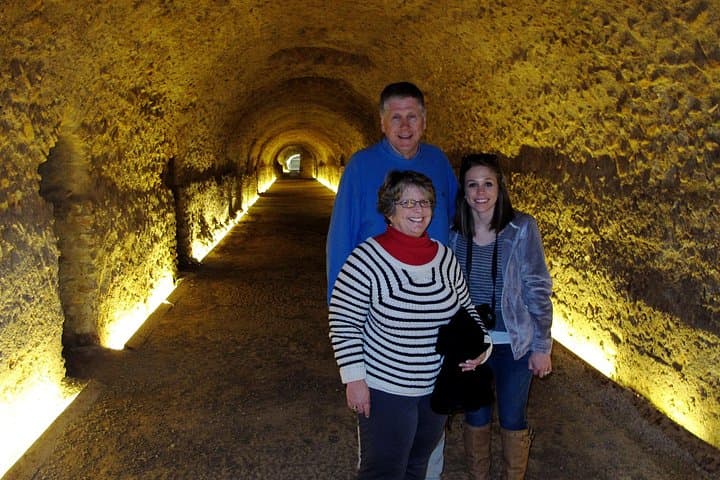
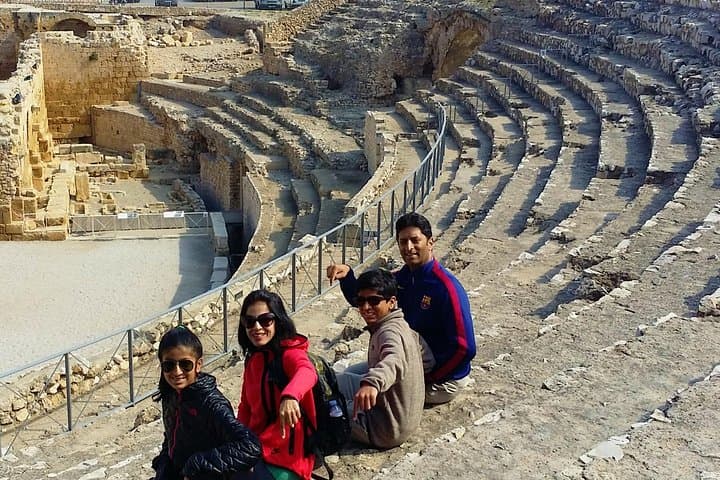
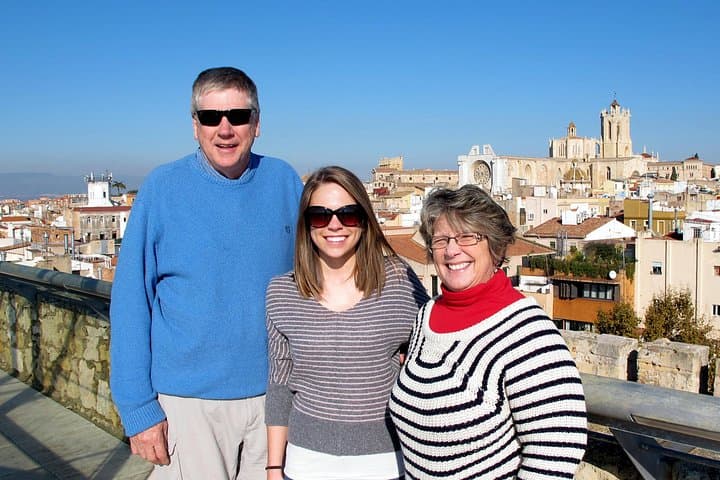
On a sun-struck morning the Mediterranean pushes a cool breeze up against Tarragona’s cliff edge and the ‘Balcony of the Mediterranean’ opens like a stage. Your minivan eases through the old Via Augusta, and two guides—one steering local stories, the other mapping archaeology—set the tempo for an eight-hour sweep through Tarraco’s living ruins.
On a sun-struck morning the Mediterranean pushes a cool breeze up against Tarragona’s cliff edge and the ‘Balcony of the Mediterranean’ opens like a stage. Your minivan eases through the old Via Augusta, and two guides—one steering local stories, the other mapping archaeology—set the tempo for an eight-hour sweep through Tarraco’s living ruins.
Tarragona began as Tarraco, the Roman capital of Hispania Citerior. The city’s brick-and-stone grammar—amphitheatre, circus, walls and aqueduct—speaks to imperial logistics and coastal trade. Geology matters here: the sandstone and limestone quarried at El Mèdol still show tool marks where Roman masons cut blocks for public baths and sewers.
Culturally the medieval quarter grew from that Roman skeleton; narrow lanes, gothic portals and plazas grew around ancient foundations. Local guides point out where Roman tombs line the coastline and how the cathedral sits atop earlier sacred sites, a layered history you can touch and trace.
Practical guidance: expect 8 hours with multiple short walks, some uneven stone and steps. Admission to the circus and amphitheatre is included; lunch is on your own at a recommended plaza or seaside café. Wear supportive shoes, carry sun protection and a small daypack—the coastal sun can be sudden, and the aqueduct walk involves exposed stretches.
This private tour is paced for curious walkers who want context as well as sites—the double-guide format accelerates insights while the included transport returns you to ship or hotel by day’s end.