THE ADVENTURE COLLECTIVE® · Independent discovery and booking for outdoor travel

Spend a restorative half-day visiting Saiko Iyashi-no-Sato Nenba’s thatched-roof village and the quiet Jimba Falls. This guided van tour pairs hands-on cultural experiences with easy nature walks near Mount Fuji.
Spend a restorative half-day visiting Saiko Iyashi-no-Sato Nenba’s thatched-roof village and the quiet Jimba Falls. This guided van tour pairs hands-on cultural experiences with easy nature walks near Mount Fuji.
Sunlight slides down the shoulder of Mount Fuji as the van eases onto the narrow road that traces Lake Saiko. You step out into the low, thatched roofs of Saiko Iyashi-no-Sato Nenba, where every plank and beam leans toward old Japan and a breeze carries the light scent of cedar and dango. The village opens like a living exhibit: artisans at work, kimono sleeves rustling, views of Fuji framed through a rustic gate.
Verified experiences and guided adventures in the surrounding area.
Operated by Shizuoka TaaS Travel · Fujikawaguchiko, Yamanashi
Sunlight slides down the shoulder of Mount Fuji as the van eases onto the narrow road that traces Lake Saiko. You step out into the low, thatched roofs of Saiko Iyashi-no-Sato Nenba, where every plank and beam leans toward old Japan and a breeze carries the light scent of cedar and dango. The village opens like a living exhibit: artisans at work, kimono sleeves rustling, views of Fuji framed through a rustic gate.
The site is a reconstructed farming hamlet salvaged after a 1960s storm, now preserved to show pre-modern mountain life. Geologically, you’re on the northern foothills of Fuji — volcanic soils and old lava terraces shape the shoreline and feed the thick pines. Culture here is tactile: hands-on crafts, traditional snacks, and seasonal festivals that keep local crafts alive.
A short drive along the Gotomegi River brings Jimba (Jinba) Falls, a modest cascade with a clear plunge pool and a history tied to Minamoto no Yoritomo’s hunting expeditions. The falls are intimate rather than dramatic — a spot to cool feet, listen to water push stones downstream, and feel the countryside slow.
Practical guidance: plan a half-day—about four hours—for both stops. Wear sturdy walking shoes for uneven village paths and wet rock at the falls. Bring cash for small craft fees and snacks; many vendors are cash-first. Visit in morning light for the best Fuji views and fewer crowds, and check the Jinba Falls Festival date in late August if you want local music and food. The tour’s gentle terrain makes it suitable for most travelers seeking low-impact cultural and nature immersion.
The guided van tour is approximately four hours, typically covering Saiko Iyashi-no-Sato Nenba and Jimba Falls.
Yes; terrain is gentle and accessible—stroller-friendly in parts—and the tour is rated easy for most fitness levels.
Yes, local operators often offer kimono rental and dressing experiences at the village for photos and craft demonstrations.
No—Jimba Falls involves a short, mostly flat approach and limited rock scrambling if you wish to reach the plunge pool edge.
Shizuoka TaaS Travel operates guided outdoor trips and adventures with an emphasis on safety, stewardship, and memorable experiences.
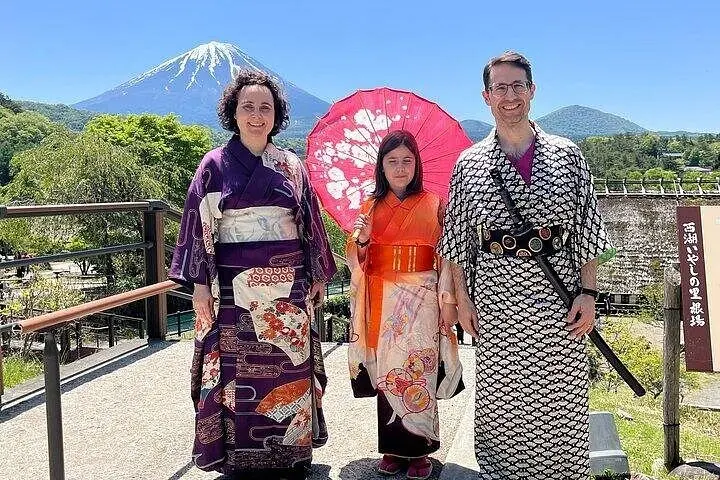
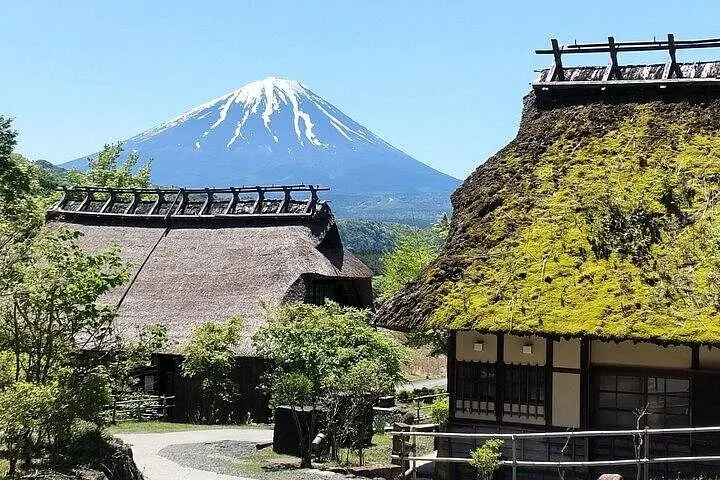
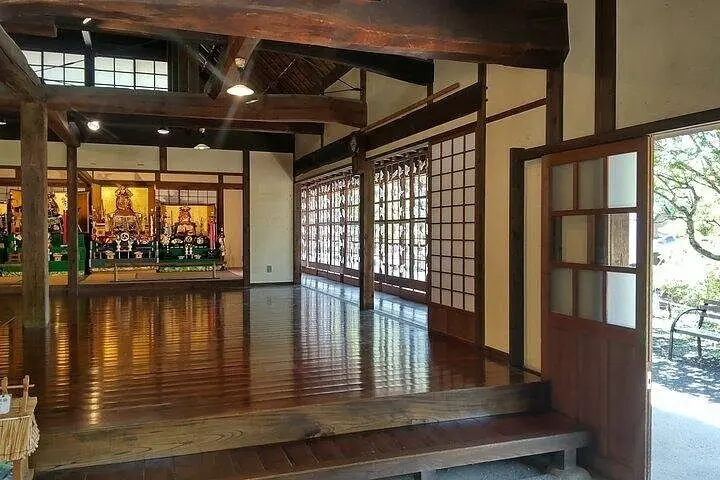
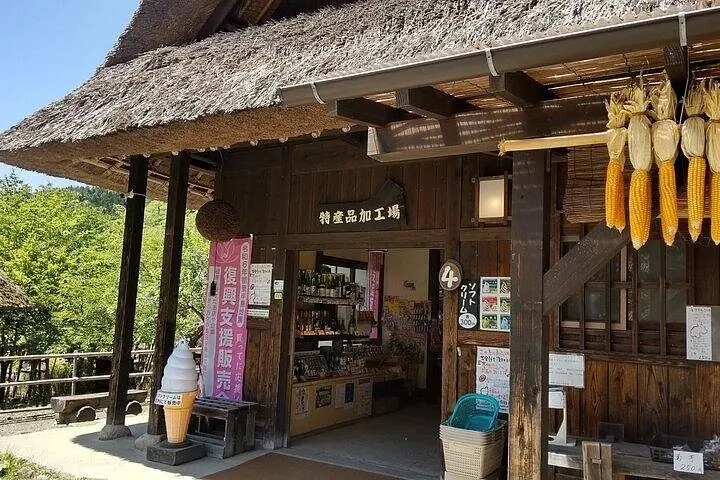
Sunlight slides down the shoulder of Mount Fuji as the van eases onto the narrow road that traces Lake Saiko. You step out into the low, thatched roofs of Saiko Iyashi-no-Sato Nenba, where every plank and beam leans toward old Japan and a breeze carries the light scent of cedar and dango. The village opens like a living exhibit: artisans at work, kimono sleeves rustling, views of Fuji framed through a rustic gate.
Sunlight slides down the shoulder of Mount Fuji as the van eases onto the narrow road that traces Lake Saiko. You step out into the low, thatched roofs of Saiko Iyashi-no-Sato Nenba, where every plank and beam leans toward old Japan and a breeze carries the light scent of cedar and dango. The village opens like a living exhibit: artisans at work, kimono sleeves rustling, views of Fuji framed through a rustic gate.
The site is a reconstructed farming hamlet salvaged after a 1960s storm, now preserved to show pre-modern mountain life. Geologically, you’re on the northern foothills of Fuji — volcanic soils and old lava terraces shape the shoreline and feed the thick pines. Culture here is tactile: hands-on crafts, traditional snacks, and seasonal festivals that keep local crafts alive.
A short drive along the Gotomegi River brings Jimba (Jinba) Falls, a modest cascade with a clear plunge pool and a history tied to Minamoto no Yoritomo’s hunting expeditions. The falls are intimate rather than dramatic — a spot to cool feet, listen to water push stones downstream, and feel the countryside slow.
Practical guidance: plan a half-day—about four hours—for both stops. Wear sturdy walking shoes for uneven village paths and wet rock at the falls. Bring cash for small craft fees and snacks; many vendors are cash-first. Visit in morning light for the best Fuji views and fewer crowds, and check the Jinba Falls Festival date in late August if you want local music and food. The tour’s gentle terrain makes it suitable for most travelers seeking low-impact cultural and nature immersion.