THE ADVENTURE COLLECTIVE® · Independent discovery and booking for outdoor travel

Walk the ramparts of Salah El Din Citadel, visit the alabaster mosque’s sweeping terrace, then lose yourself in the tight lanes of Old Cairo Bazaar. This half-day guided tour pairs clear history with practical tips for first-time visitors.
Walk the ramparts of Salah El Din Citadel, visit the alabaster mosque’s sweeping terrace, then lose yourself in the tight lanes of Old Cairo Bazaar. This half-day guided tour pairs clear history with practical tips for first-time visitors.
You step from the air-conditioned minivan into a sun-steeped courtyard where stone keeps the memory of centuries. The citadel’s ramparts rise above the city like a deliberate line drawn across Cairo’s spread; from the Alabaster Mosque terrace the urban sprawl unfurls, the Nile’s breeze nudging dust motes across the view.
Verified experiences and guided adventures in the surrounding area.
Operated by Egypt Excursions Online · Cairo, Cairo Governorate
You step from the air-conditioned minivan into a sun-steeped courtyard where stone keeps the memory of centuries. The citadel’s ramparts rise above the city like a deliberate line drawn across Cairo’s spread; from the Alabaster Mosque terrace the urban sprawl unfurls, the Nile’s breeze nudging dust motes across the view.
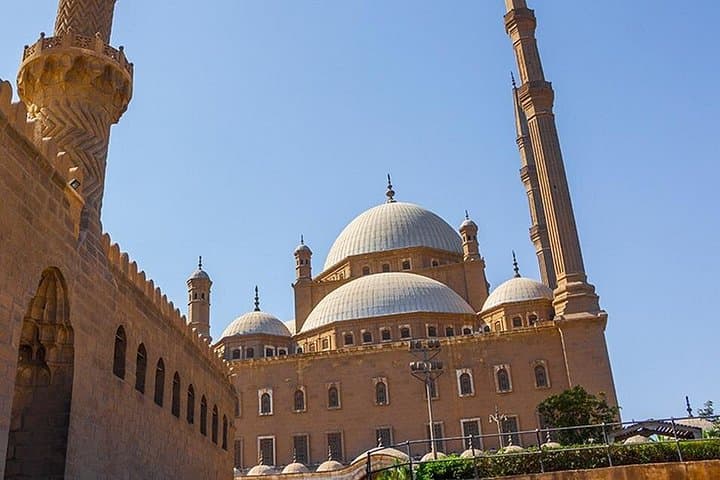
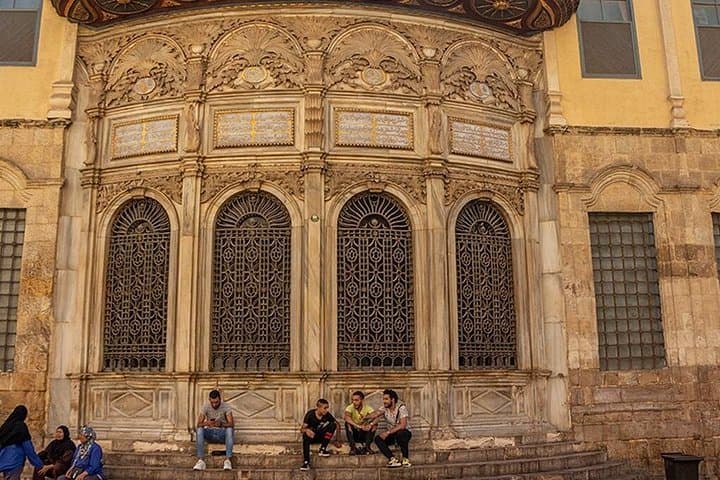
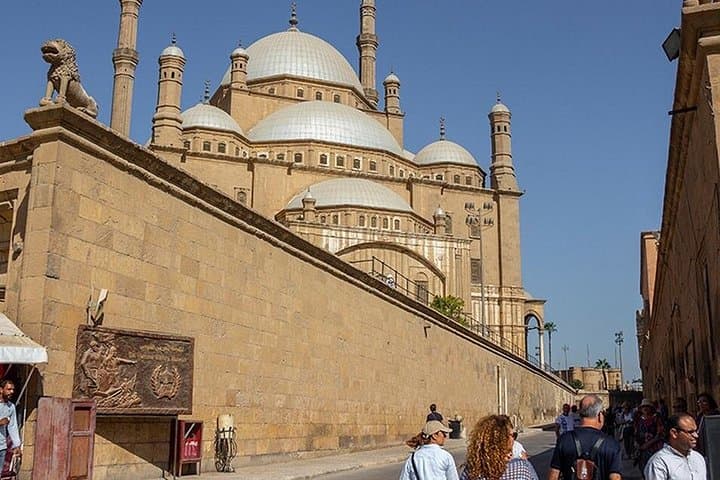
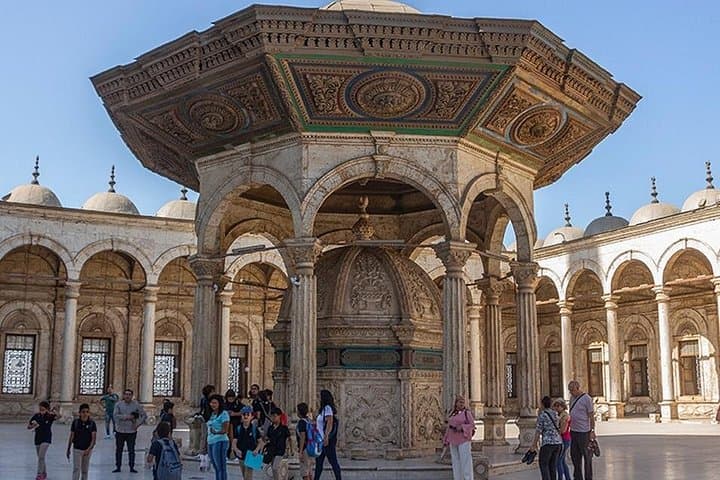
Built by Salah ad-Din in the 12th century, the Citadel became a center of medieval military power and later Ottoman authority. The Alabaster Mosque (Muhammad Ali) dominates the skyline with twin minarets; the complex's masonry tells a practical geological story—local limestone and imported alabaster shaped into fortified walls that weather the city’s heat and occasional windstorms.
Old Cairo’s bazaar is a different pulse: narrow alleys where vendors display brassware, spices, and hand-stitched textiles. The market’s rhythm is cultural negotiation—bargaining is expected, and small shops often pass family traditions down generations.
Practical guidance: the tour runs about six hours with multiple 20–60 minute walking segments on uneven stone and packed dirt; choose the option that includes entry tickets if you want inside access. Wear sturdy walking shoes, bring at least 1–1.5 liters of water, and carry sun protection in summer. Modest dress respects religious sites—shoulders and knees covered—and a light scarf for women is useful for mosque interiors.
Expect moderate crowds around peak hours; mornings and late afternoons offer softer light for photos and cooler walking. Carry small change for market purchases and tip guides if they translate history into context—this tour balances a clear historical narrative with hands-on, sensory encounters of old and new Cairo.
Some booking options include entrance tickets—confirm your selected option; otherwise tickets can be purchased on-site.
Yes, most options include hotel pickup and drop-off by air-conditioned vehicle—confirm your pickup point when booking.
Photography is generally allowed in exterior areas; follow guide instructions for interior spaces and respect any restricted zones.
Yes, the tour is rated easy and suitable for all fitness levels, though there is walking and some stairs that may be challenging for mobility-limited guests.
Egypt Excursions Online operates guided outdoor trips and adventures with an emphasis on safety, stewardship, and memorable experiences.
You step from the air-conditioned minivan into a sun-steeped courtyard where stone keeps the memory of centuries. The citadel’s ramparts rise above the city like a deliberate line drawn across Cairo’s spread; from the Alabaster Mosque terrace the urban sprawl unfurls, the Nile’s breeze nudging dust motes across the view.
You step from the air-conditioned minivan into a sun-steeped courtyard where stone keeps the memory of centuries. The citadel’s ramparts rise above the city like a deliberate line drawn across Cairo’s spread; from the Alabaster Mosque terrace the urban sprawl unfurls, the Nile’s breeze nudging dust motes across the view.
Built by Salah ad-Din in the 12th century, the Citadel became a center of medieval military power and later Ottoman authority. The Alabaster Mosque (Muhammad Ali) dominates the skyline with twin minarets; the complex's masonry tells a practical geological story—local limestone and imported alabaster shaped into fortified walls that weather the city’s heat and occasional windstorms.
Old Cairo’s bazaar is a different pulse: narrow alleys where vendors display brassware, spices, and hand-stitched textiles. The market’s rhythm is cultural negotiation—bargaining is expected, and small shops often pass family traditions down generations.
Practical guidance: the tour runs about six hours with multiple 20–60 minute walking segments on uneven stone and packed dirt; choose the option that includes entry tickets if you want inside access. Wear sturdy walking shoes, bring at least 1–1.5 liters of water, and carry sun protection in summer. Modest dress respects religious sites—shoulders and knees covered—and a light scarf for women is useful for mosque interiors.
Expect moderate crowds around peak hours; mornings and late afternoons offer softer light for photos and cooler walking. Carry small change for market purchases and tip guides if they translate history into context—this tour balances a clear historical narrative with hands-on, sensory encounters of old and new Cairo.