THE ADVENTURE COLLECTIVE® · Independent discovery and booking for outdoor travel

Step into the hush of Santa Croce and walk among Florence’s greats—Michelangelo, Galileo and masterful frescoes by Giotto. This one-hour guided visit pairs dense history with practical tips on dress code, timing, and accessibility.
Step into the hush of Santa Croce and walk among Florence’s greats—Michelangelo, Galileo and masterful frescoes by Giotto. This one-hour guided visit pairs dense history with practical tips on dress code, timing, and accessibility.
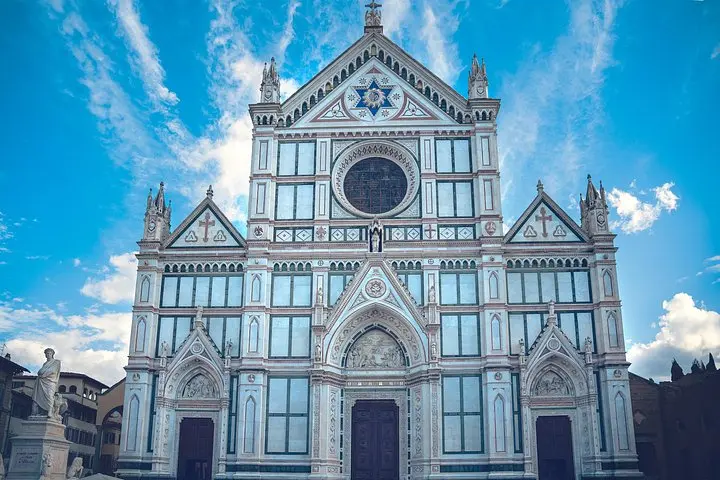
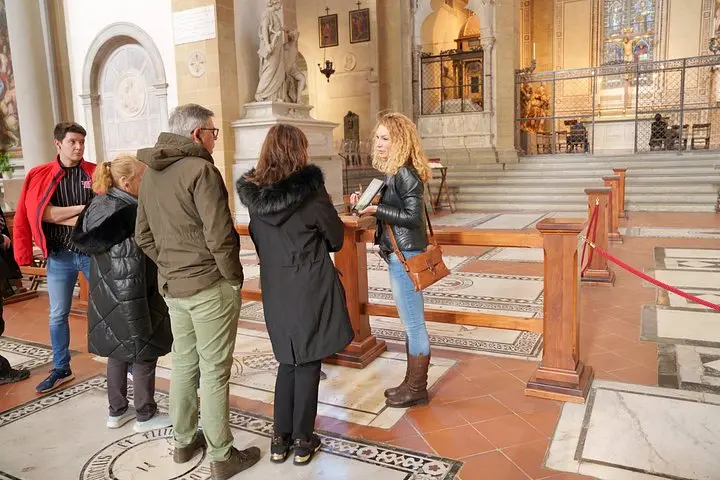
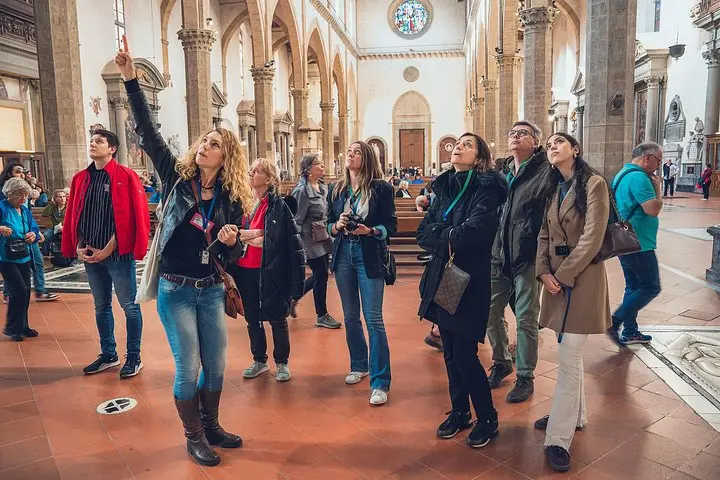
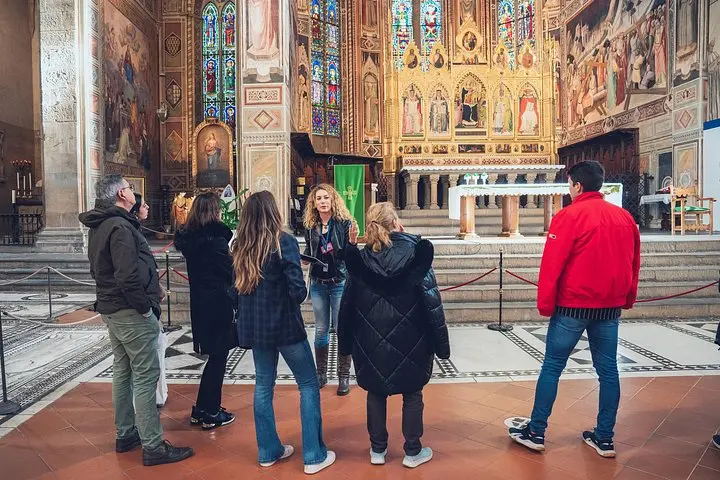
You push open the heavy door and the city noise drops away—stone cool underfoot, light slicing across frescoed chapels. The Basilica of Santa Croce sits at the north end of its wide piazza like a civic ledger: tombs, memorials, and monuments that map Florence's cultural ascent. As you move down the nave, carved sarcophagi and painted scenes keep pace; Giotto’s frescoes gleam in fragments, while Donatello’s crucifix draws a quieter gaze.
Verified experiences and guided adventures in the surrounding area.
Operated by Star Europe Tours · Florence, Tuscany
You push open the heavy door and the city noise drops away—stone cool underfoot, light slicing across frescoed chapels. The Basilica of Santa Croce sits at the north end of its wide piazza like a civic ledger: tombs, memorials, and monuments that map Florence's cultural ascent. As you move down the nave, carved sarcophagi and painted scenes keep pace; Giotto’s frescoes gleam in fragments, while Donatello’s crucifix draws a quieter gaze.
Santa Croce began as a Franciscan church in the 13th century, built with local pietra serena and Carrara marble that reflect Tuscany’s geological story: city-stone meeting mountain-stone. The basilica’s architecture and chapels tell Florence’s civic and artistic history—from Brunelleschi’s refined Pazzi chapel to the graves of Michelangelo and Galileo, reminders of the city’s scientific and creative reach. Outside, the piazza has hosted everything from historic Calcio Storico matches to modern markets—an open-air stage for Florentine life.
Practical notes: tours run about 60 minutes and include entrance; dress conservatively—shoulders and knees must be covered—or entry can be refused. The site is wheelchair accessible but expect modest steps in nearby streets. Arrive early to avoid crowds and to let light fall across key frescoes; late afternoon offers warmer tones for photography. Audio systems are typically provided on guided tours; bring a light jacket during shoulder seasons as the basilica interior stays cool.
Whether you’re tracking art history, architecture, or the human stories in stone, Santa Croce delivers a compact, layered encounter with Florence’s past that rewards close looking and sensible planning.
Yes—shoulders and knees must be covered for both men and women; inappropriate dress can result in refused entry with no refund.
The standard guided visit is approximately 60 minutes and covers the nave, major chapels, tombs, and the monumental cemetery.
The basilica indicates wheelchair access to all areas and surfaces, though nearby streets may have cobbles—contact the operator for specifics and assistance.
Some options pair the Santa Croce tour with a separate wine tasting; if selected, the schedule may start later and requires notifying the operator about allergies or intolerances.
Star Europe Tours operates guided outdoor trips and adventures with an emphasis on safety, stewardship, and memorable experiences.
You push open the heavy door and the city noise drops away—stone cool underfoot, light slicing across frescoed chapels. The Basilica of Santa Croce sits at the north end of its wide piazza like a civic ledger: tombs, memorials, and monuments that map Florence's cultural ascent. As you move down the nave, carved sarcophagi and painted scenes keep pace; Giotto’s frescoes gleam in fragments, while Donatello’s crucifix draws a quieter gaze.
You push open the heavy door and the city noise drops away—stone cool underfoot, light slicing across frescoed chapels. The Basilica of Santa Croce sits at the north end of its wide piazza like a civic ledger: tombs, memorials, and monuments that map Florence's cultural ascent. As you move down the nave, carved sarcophagi and painted scenes keep pace; Giotto’s frescoes gleam in fragments, while Donatello’s crucifix draws a quieter gaze.
Santa Croce began as a Franciscan church in the 13th century, built with local pietra serena and Carrara marble that reflect Tuscany’s geological story: city-stone meeting mountain-stone. The basilica’s architecture and chapels tell Florence’s civic and artistic history—from Brunelleschi’s refined Pazzi chapel to the graves of Michelangelo and Galileo, reminders of the city’s scientific and creative reach. Outside, the piazza has hosted everything from historic Calcio Storico matches to modern markets—an open-air stage for Florentine life.
Practical notes: tours run about 60 minutes and include entrance; dress conservatively—shoulders and knees must be covered—or entry can be refused. The site is wheelchair accessible but expect modest steps in nearby streets. Arrive early to avoid crowds and to let light fall across key frescoes; late afternoon offers warmer tones for photography. Audio systems are typically provided on guided tours; bring a light jacket during shoulder seasons as the basilica interior stays cool.
Whether you’re tracking art history, architecture, or the human stories in stone, Santa Croce delivers a compact, layered encounter with Florence’s past that rewards close looking and sensible planning.