
Explore Santa Cruz Island: Pink Sand, Mangrove Lagoons & Sama-Bangingi Culture
Stand on a shoreline of rare pink sand and paddle into a mangrove lagoon full of stingless jellyfish. This private, eco-conscious half-day tour from Zamboanga City pairs quiet natural beauty with a cultural visit to the Sama-Bangingi community.
An Adventure In Zamboanga City.
Stand on a shoreline of rare pink sand and paddle into a mangrove lagoon full of stingless jellyfish. This private, eco-conscious half-day tour from Zamboanga City pairs quiet natural beauty with a cultural visit to the Sama-Bangingi community.
Read the full experience
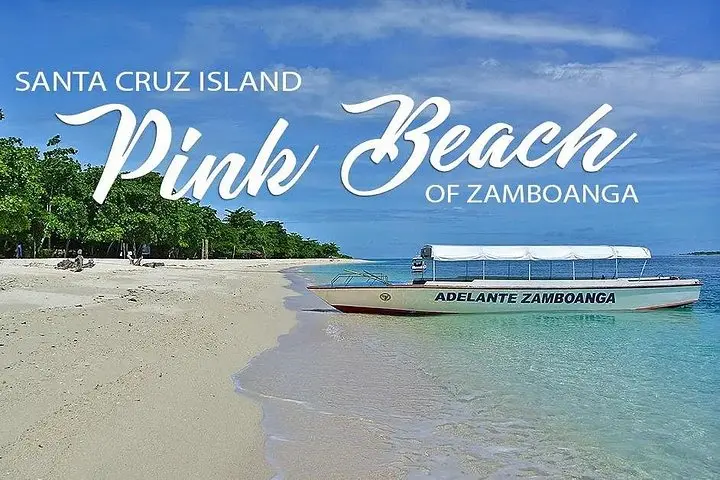
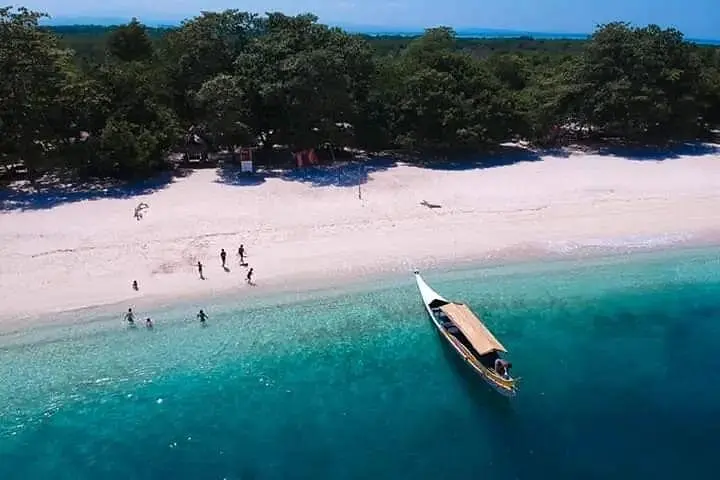
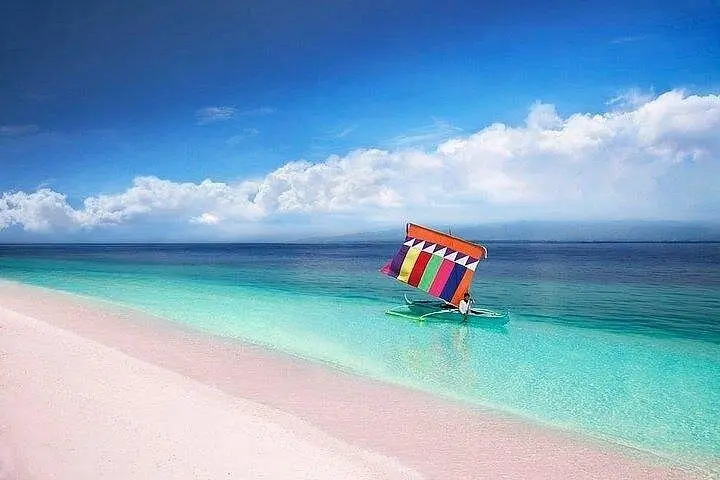
The boat slips away from Paseo del Mar and the city’s hum thins to a horizon of turquoise. Fifteen minutes later a narrow crescent of pink sand appears—soft, cool underfoot where crushed red organ-pipe coral blends with white silica to create one of the Philippines’ rare pink beaches. A mangrove-lined lagoon waits inland, its shallow water cradling stingless jellyfish that drift like translucent coins.
The boat slips away from Paseo del Mar and the city’s hum thins to a horizon of turquoise. Fifteen minutes later a narrow crescent of pink sand appears—soft, cool underfoot where crushed red organ-pipe coral blends with white silica to create one of the Philippines’ rare pink beaches. A mangrove-lined lagoon waits inland, its shallow water cradling stingless jellyfish that drift like translucent coins.
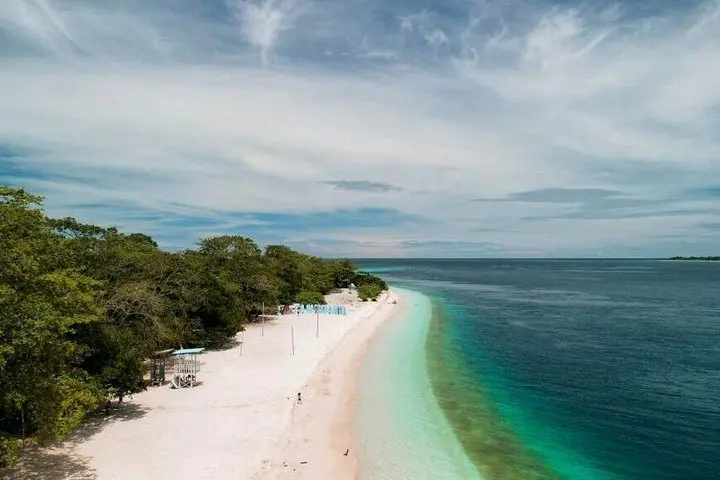
Santa Cruz Island’s landscape is simple but striking: low dunes, scrub, and dense mangroves that trap sediment and shelter juvenile fish. The island sits off Zamboanga City in the Mindanao archipelago and has long been part of local Sama-Bangingi fishing and harvesting routines; visiting offers a chance to meet community members and learn small-scale island life. Geologically, the sand’s color ties directly to coral fragments—fragile, nonrenewable material that reflects the reef’s health.
On tour you’ll move at a relaxed pace—a brief boat transfer, guided shoreline walks, a mangrove boardwalk or shallow wading, and cultural exchange with local hosts. Expect minimal elevation, soft sand underfoot, and short, flat paths through mangrove roots. Daily visitor limits and private-tour options keep crowds low and support conservation.
Practical notes: bring reef-safe sunscreen, a refillable water bottle, and water shoes for uneven coral and lagoon floors. Go early in the morning to avoid midday heat and see clearer water; bring small-denomination Philippine pesos for local purchases. Respect signage and the Sama-Bangingi community—stay on trails, avoid taking coral, and follow your guide’s advice to help preserve the island’s delicate ecosystems.
Frequently asked questions
The crossing from Paseo del Mar is typically about 15 minutes on a motorized banca or small boat depending on sea conditions.
The mangrove lagoon is known for stingless jellyfish; they do not have a stinging capacity like open-ocean species and are safe to observe at a distance.
Yes—operators note the trip is suitable for all fitness levels; infants must sit on an adult’s lap during transport and be supervised near water.
Bring Philippine pesos (small denominations) for any local purchases or donations—card acceptance on the island is unlikely.
About This Experience
CTPH TOUR operates guided outdoor trips and adventures with an emphasis on safety, stewardship, and memorable experiences.
Adventure tips
Recommended gear
- Reusable water bottle: Staying hydrated in tropical heat is critical—refillable bottles reduce waste and keep you comfortable.
- Water shoes: Protects feet from coral, shells and mangrove roots during shoreline and lagoon wading.
- Reef-safe sunscreen: Mineral sunscreen protects skin without harming coral and marine life.
- Light rain jacket or poncho: Short tropical showers can appear any time—keep a packable layer handy during the rainy season.
Photos of the experience
Related adventures & guides
Read the full experience
The boat slips away from Paseo del Mar and the city’s hum thins to a horizon of turquoise. Fifteen minutes later a narrow crescent of pink sand appears—soft, cool underfoot where crushed red organ-pipe coral blends with white silica to create one of the Philippines’ rare pink beaches. A mangrove-lined lagoon waits inland, its shallow water cradling stingless jellyfish that drift like translucent coins.
The boat slips away from Paseo del Mar and the city’s hum thins to a horizon of turquoise. Fifteen minutes later a narrow crescent of pink sand appears—soft, cool underfoot where crushed red organ-pipe coral blends with white silica to create one of the Philippines’ rare pink beaches. A mangrove-lined lagoon waits inland, its shallow water cradling stingless jellyfish that drift like translucent coins.
Santa Cruz Island’s landscape is simple but striking: low dunes, scrub, and dense mangroves that trap sediment and shelter juvenile fish. The island sits off Zamboanga City in the Mindanao archipelago and has long been part of local Sama-Bangingi fishing and harvesting routines; visiting offers a chance to meet community members and learn small-scale island life. Geologically, the sand’s color ties directly to coral fragments—fragile, nonrenewable material that reflects the reef’s health.
On tour you’ll move at a relaxed pace—a brief boat transfer, guided shoreline walks, a mangrove boardwalk or shallow wading, and cultural exchange with local hosts. Expect minimal elevation, soft sand underfoot, and short, flat paths through mangrove roots. Daily visitor limits and private-tour options keep crowds low and support conservation.
Practical notes: bring reef-safe sunscreen, a refillable water bottle, and water shoes for uneven coral and lagoon floors. Go early in the morning to avoid midday heat and see clearer water; bring small-denomination Philippine pesos for local purchases. Respect signage and the Sama-Bangingi community—stay on trails, avoid taking coral, and follow your guide’s advice to help preserve the island’s delicate ecosystems.
Make a day of it nearby.
Verified experiences and guided adventures in the surrounding area.