THE ADVENTURE COLLECTIVE® · Independent discovery and booking for outdoor travel

See Santiago Island’s interior and northern coast in a single day: Assomada’s market, the scrubby slopes of Sierra Malagueta, and the historic Tarrafal camp museum. This practical guide covers what to expect, local context, and tips for the road.
See Santiago Island’s interior and northern coast in a single day: Assomada’s market, the scrubby slopes of Sierra Malagueta, and the historic Tarrafal camp museum. This practical guide covers what to expect, local context, and tips for the road.
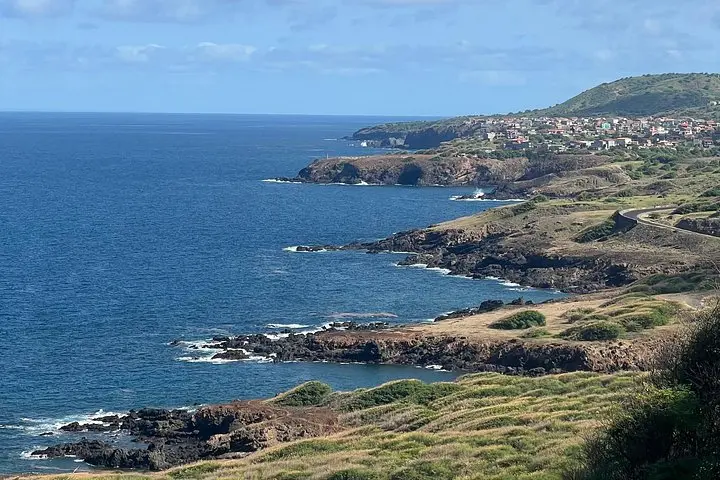
You step off the minivan where the mountain air thins and the view opens—green ridges give way to a ribbon of blue at the island’s northern edge. This one-day circuit across Santiago moves fast: a bustling market visit in Assomada, a roadside stop in Sierra Malagueta’s scrubby highland, then the quiet, solemn grounds of the Tarrafal museum before a final stretch along the coast.
Verified experiences and guided adventures in the surrounding area.
Operated by gitravel · Tarrafal, Santiago Island
You step off the minivan where the mountain air thins and the view opens—green ridges give way to a ribbon of blue at the island’s northern edge. This one-day circuit across Santiago moves fast: a bustling market visit in Assomada, a roadside stop in Sierra Malagueta’s scrubby highland, then the quiet, solemn grounds of the Tarrafal museum before a final stretch along the coast.
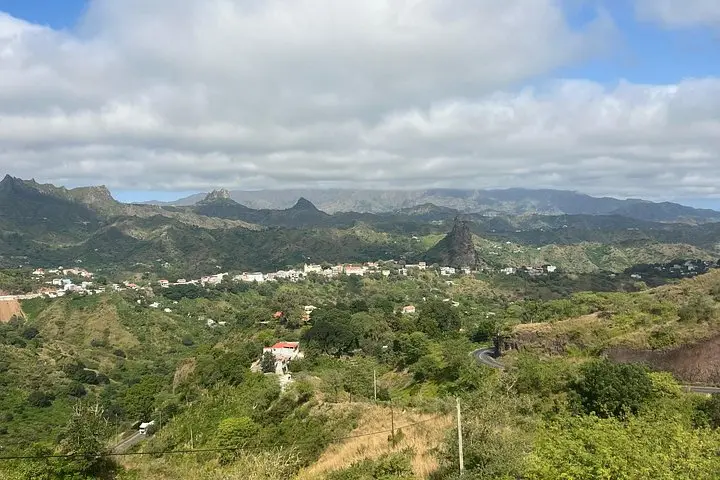
Santiago’s contours are volcanic—basalt ridges carved by centuries of wind and rare rains, producing sharp valleys and plateaus that alternate between parched scrub and surprising agricultural pockets. The island’s history is layered: colonial trade, waves of migration, and the dark chapter of the Tarrafal camp, now a museum documenting political imprisonment from the Portuguese era. Local culture centers on small market towns where produce, crafts and conversation move faster than tourist timetables.
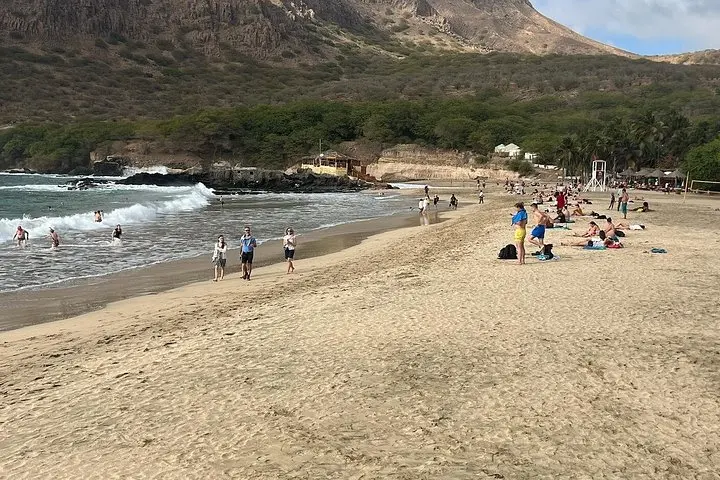
On the road you’ll see roadside vendors, goats picking at scrub, and towns that retain a working, lived-in character rather than a resort sheen. Sierra Malagueta’s trails offer pine and dry-laurel stands—short climbs with rewarding overlooks. Tarrafal’s bay is wind-whipped but scenic, and the museum provides a sober counterpoint that explains much about Cape Verde’s 20th-century politics.
Practicalities: the full loop runs about 8 hours by vehicle with multiple short stops and one museum visit; expect uneven surfaces at viewpoints and busy market lanes. Bring sun protection, refillable water, comfortable walking shoes, and a light layer for coastal wind. Early starts avoid afternoon heat and give better light for photos; plan for cash purchases in smaller towns.
Tours commonly start in Praia or nearby pickup points and complete the loop back toward the south after visiting Tarrafal in the north.
Yes—the itinerary includes admission to the Tarrafal concentration camp museum as part of the day’s visits.
Lunch is usually not included; there are opportunities to buy food in Assomada markets or at local restaurants in Tarrafal—bring cash for small vendors.
The tour notes stroller accessibility for short, flat sections, but some viewpoints and the museum have uneven ground and steps—infants may need to sit on laps.
gitravel operates guided outdoor trips and adventures with an emphasis on safety, stewardship, and memorable experiences.

You step off the minivan where the mountain air thins and the view opens—green ridges give way to a ribbon of blue at the island’s northern edge. This one-day circuit across Santiago moves fast: a bustling market visit in Assomada, a roadside stop in Sierra Malagueta’s scrubby highland, then the quiet, solemn grounds of the Tarrafal museum before a final stretch along the coast.
You step off the minivan where the mountain air thins and the view opens—green ridges give way to a ribbon of blue at the island’s northern edge. This one-day circuit across Santiago moves fast: a bustling market visit in Assomada, a roadside stop in Sierra Malagueta’s scrubby highland, then the quiet, solemn grounds of the Tarrafal museum before a final stretch along the coast.
Santiago’s contours are volcanic—basalt ridges carved by centuries of wind and rare rains, producing sharp valleys and plateaus that alternate between parched scrub and surprising agricultural pockets. The island’s history is layered: colonial trade, waves of migration, and the dark chapter of the Tarrafal camp, now a museum documenting political imprisonment from the Portuguese era. Local culture centers on small market towns where produce, crafts and conversation move faster than tourist timetables.
On the road you’ll see roadside vendors, goats picking at scrub, and towns that retain a working, lived-in character rather than a resort sheen. Sierra Malagueta’s trails offer pine and dry-laurel stands—short climbs with rewarding overlooks. Tarrafal’s bay is wind-whipped but scenic, and the museum provides a sober counterpoint that explains much about Cape Verde’s 20th-century politics.
Practicalities: the full loop runs about 8 hours by vehicle with multiple short stops and one museum visit; expect uneven surfaces at viewpoints and busy market lanes. Bring sun protection, refillable water, comfortable walking shoes, and a light layer for coastal wind. Early starts avoid afternoon heat and give better light for photos; plan for cash purchases in smaller towns.