THE ADVENTURE COLLECTIVE® · Independent discovery and booking for outdoor travel

See Sapporo’s landmarks without the transit hassle on a private minivan tour that pairs history, local food, and easy walks. Ideal for first-time visitors who want efficient access to the city’s highlights in a single day.
See Sapporo’s landmarks without the transit hassle on a private minivan tour that pairs history, local food, and easy walks. Ideal for first-time visitors who want efficient access to the city’s highlights in a single day.
Step off the minivan into a city where cold wind sculpts the streets and red-brick facades hold court. Your day threads from the Old Hokkaido Government Building across the compact grid of Odori Park, past a clock tower that still counts the hours of Sapporo’s rapid growth. The driver parks, doors open, and the city—equal parts postwar planning and northern edge—invites a slow, manageable exploration.
Verified experiences and guided adventures in the surrounding area.
Operated by Carzenplus · Sapporo, Hokkaido
Step off the minivan into a city where cold wind sculpts the streets and red-brick facades hold court. Your day threads from the Old Hokkaido Government Building across the compact grid of Odori Park, past a clock tower that still counts the hours of Sapporo’s rapid growth. The driver parks, doors open, and the city—equal parts postwar planning and northern edge—invites a slow, manageable exploration.
Sapporo’s story is young by Japanese standards: a Meiji-era hub built during Hokkaido’s settlement, with influences from western architects and an economy born of agriculture and later, seafood and brewing. Geologically, the city sits on volcanic plains with the silhouette of Mount Teine and Moiwa reminding you that mountains watch over urban life here. Culture arrives at the table: steaming miso ramen, Genghis Khan lamb grills, and winter’s prize, snow crab. February’s Snow Festival concentrates Sapporo’s winter personality—giant ice sculptures, crowds, and an electric atmosphere.
Practical guidance: this private minivan tour covers multiple stops with limited walking at each—expect short strolls of 15–30 minutes at sites. Bring layered clothing; Hokkaido weather swings, even in summer. Aim for morning starts to avoid midday crowds at Odori and Tanukikoji, and leave appetite space for a ramen or market seafood lunch. Cameras are welcome but keep transactions simple—many shops accept cash more readily than cards. For winter travelers, insulated boots and traction grips matter; in other seasons, a compact umbrella and comfortable walking shoes will do. The itinerary suits travelers who want curated access to Sapporo’s highlights without navigating public transport—efficient, informative, and paced for curiosity.
This tour focuses on guided viewing and short visits; most landmark exteriors and park stops are included, but individual admission fees to museums are typically not covered.
As a private minivan tour, the route can usually be adjusted—confirm specific stop changes with the operator when booking.
Expect short walking segments of 15–30 minutes at each stop; the minivan reduces transit distance between sites.
Meals are not included, though the tour will stop at recommended spots where you can try local ramen, lamb grills, or seafood.
Carzenplus operates guided outdoor trips and adventures with an emphasis on safety, stewardship, and memorable experiences.
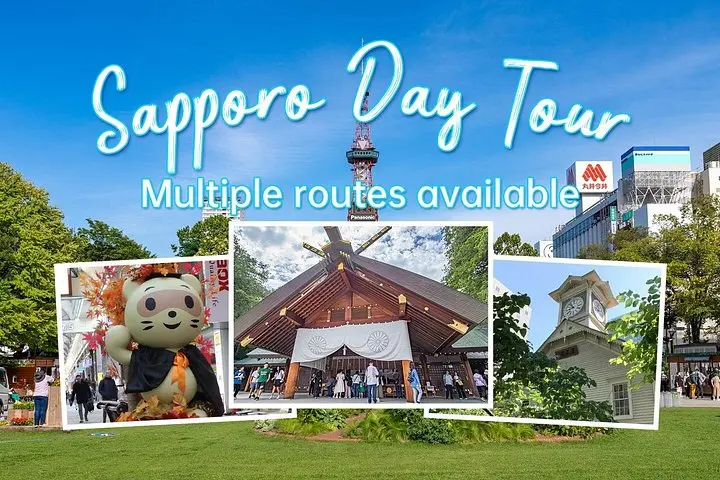
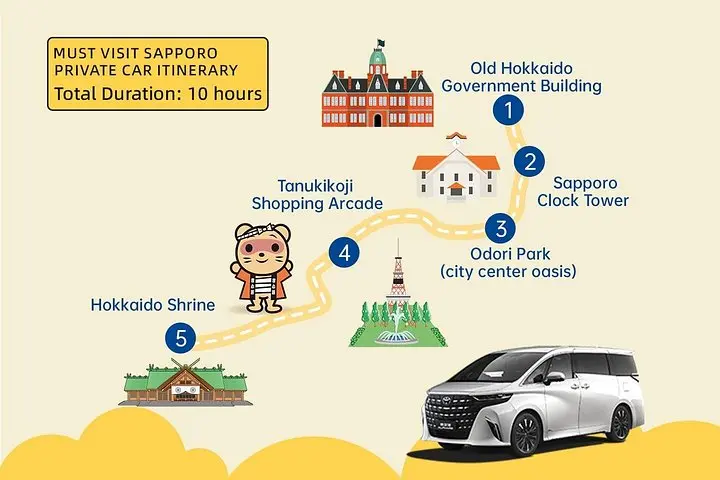
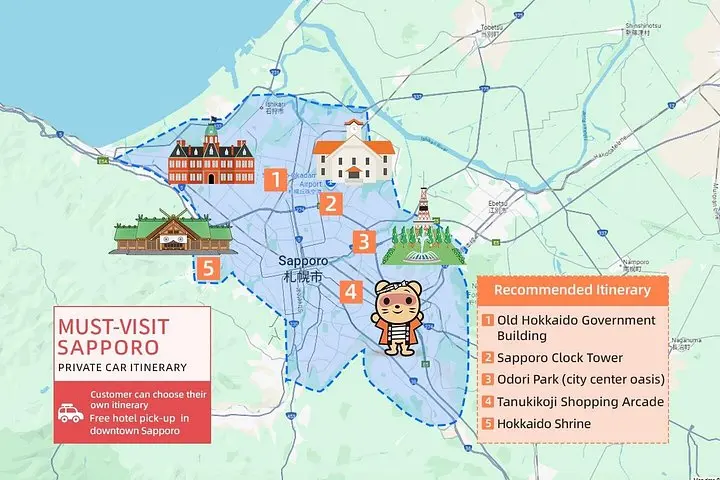
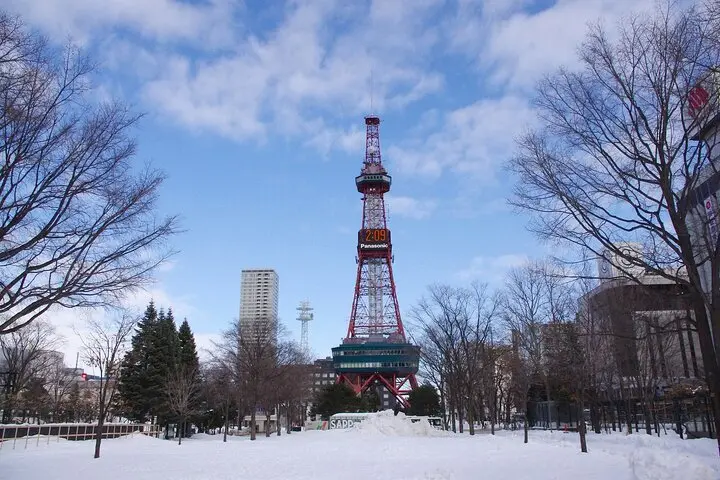
Step off the minivan into a city where cold wind sculpts the streets and red-brick facades hold court. Your day threads from the Old Hokkaido Government Building across the compact grid of Odori Park, past a clock tower that still counts the hours of Sapporo’s rapid growth. The driver parks, doors open, and the city—equal parts postwar planning and northern edge—invites a slow, manageable exploration.
Step off the minivan into a city where cold wind sculpts the streets and red-brick facades hold court. Your day threads from the Old Hokkaido Government Building across the compact grid of Odori Park, past a clock tower that still counts the hours of Sapporo’s rapid growth. The driver parks, doors open, and the city—equal parts postwar planning and northern edge—invites a slow, manageable exploration.
Sapporo’s story is young by Japanese standards: a Meiji-era hub built during Hokkaido’s settlement, with influences from western architects and an economy born of agriculture and later, seafood and brewing. Geologically, the city sits on volcanic plains with the silhouette of Mount Teine and Moiwa reminding you that mountains watch over urban life here. Culture arrives at the table: steaming miso ramen, Genghis Khan lamb grills, and winter’s prize, snow crab. February’s Snow Festival concentrates Sapporo’s winter personality—giant ice sculptures, crowds, and an electric atmosphere.
Practical guidance: this private minivan tour covers multiple stops with limited walking at each—expect short strolls of 15–30 minutes at sites. Bring layered clothing; Hokkaido weather swings, even in summer. Aim for morning starts to avoid midday crowds at Odori and Tanukikoji, and leave appetite space for a ramen or market seafood lunch. Cameras are welcome but keep transactions simple—many shops accept cash more readily than cards. For winter travelers, insulated boots and traction grips matter; in other seasons, a compact umbrella and comfortable walking shoes will do. The itinerary suits travelers who want curated access to Sapporo’s highlights without navigating public transport—efficient, informative, and paced for curiosity.