THE ADVENTURE COLLECTIVE® · Independent discovery and booking for outdoor travel

A short ferry from Yokosuka drops you onto Sarushima, Tokyo Bay’s only natural island, where moss-covered brick forts and tunneled magazines recall Meiji-era coastal defenses. This guided tour blends compact hikes, hidden chambers, and sweeping sea views—perfect for a focused half-day excursion.
A short ferry from Yokosuka drops you onto Sarushima, Tokyo Bay’s only natural island, where moss-covered brick forts and tunneled magazines recall Meiji-era coastal defenses. This guided tour blends compact hikes, hidden chambers, and sweeping sea views—perfect for a focused half-day excursion.
The ferry slips away from Mikasa Pier and the city thins into a wide blue of Tokyo Bay. In ten brisk minutes Sarushima appears: a low green silhouette ringed by sea, its red-brick walls and broken stairways rising like memories out of the surf. The guide leads you off the dock and onto narrow forest paths where moss softens the steps and gulls wheel overhead.
Verified experiences and guided adventures in the surrounding area.
Operated by DeepExperience · Yokosuka, Kanagawa
The ferry slips away from Mikasa Pier and the city thins into a wide blue of Tokyo Bay. In ten brisk minutes Sarushima appears: a low green silhouette ringed by sea, its red-brick walls and broken stairways rising like memories out of the surf. The guide leads you off the dock and onto narrow forest paths where moss softens the steps and gulls wheel overhead.
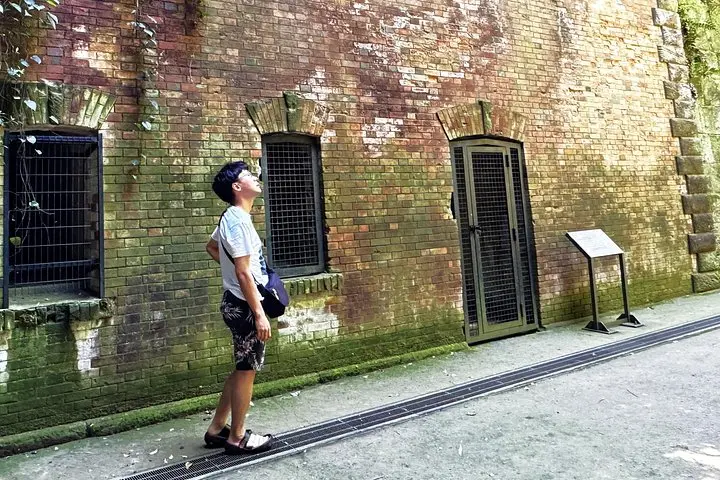
Sarushima’s story is layered—a natural island that became Japan’s coastal sentinel. Samurai-era lookouts gave way to Meiji- and Taisho-era coastal batteries; brick magazines, artillery platforms and tunneled corridors remain, softened by ivy and salt air. Geologically the island is a raised bedrock outcrop shaped by currents and centuries of wave action; culturally it sits at the crossroads of Yokosuka’s naval history and local fishing communities who long regarded the isle as both refuge and fort.
Expect compact walks rather than formal trails: uneven stone, steep steps, and short, damp tunnels where light narrows. The tour balances close examination of military architecture with open viewpoints across the bay—the urban skyline of Yokohama and the shipping lanes beyond make stark backdrops to the ruins.
Practical: arrive early to secure ferry seats, wear closed-toe shoes with grip, and bring a light jacket against sea wind. Photography is compelling but respect cordoned areas—many structures are fragile. The guided format means history is interpreted for you; mobility limitations may make some tunnels and steps difficult. With a short crossing and about 60–90 minutes on the island, this is a dense, walkable glimpse into Japan’s coastal past.
The crossing from Mikasa Pier is about 8–12 minutes each way—short and scenic.
Guided access keeps you on the stable routes; many areas are intact but fragile—follow your guide and posted restrictions.
Yes—physical demands are low, but be prepared for steps, uneven ground, and narrow tunnels that may challenge strollers or limited mobility visitors.
The guided tour typically includes round-trip ferry fare and guided access to the island’s main ruins and tunnels; check your booking details for any additional inclusions.
DeepExperience operates guided outdoor trips and adventures with an emphasis on safety, stewardship, and memorable experiences.
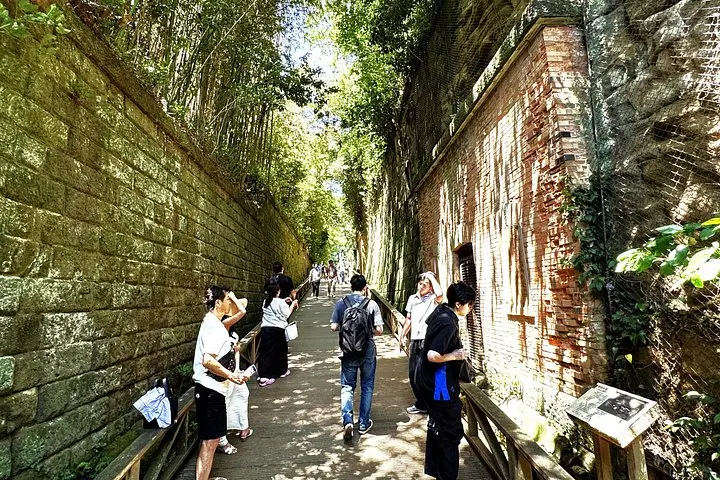
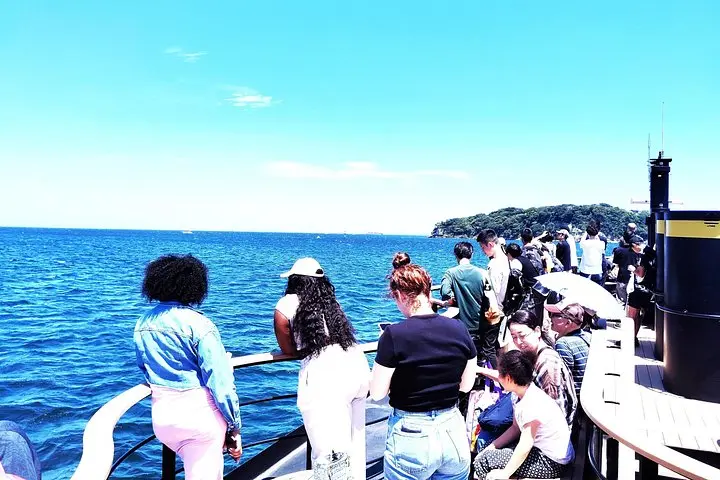
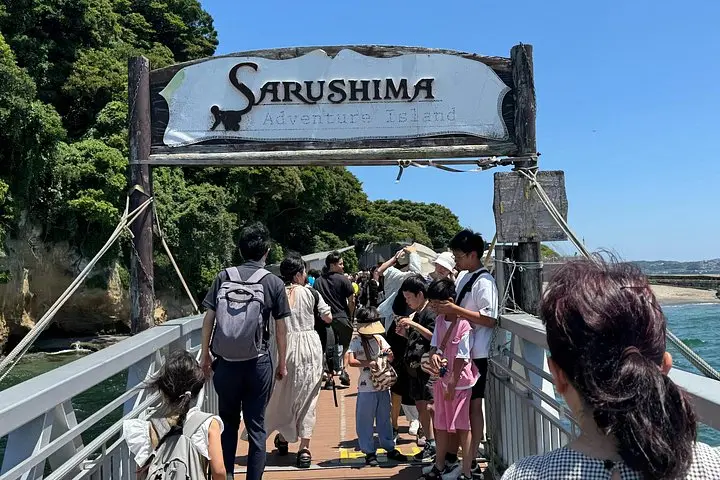
The ferry slips away from Mikasa Pier and the city thins into a wide blue of Tokyo Bay. In ten brisk minutes Sarushima appears: a low green silhouette ringed by sea, its red-brick walls and broken stairways rising like memories out of the surf. The guide leads you off the dock and onto narrow forest paths where moss softens the steps and gulls wheel overhead.
The ferry slips away from Mikasa Pier and the city thins into a wide blue of Tokyo Bay. In ten brisk minutes Sarushima appears: a low green silhouette ringed by sea, its red-brick walls and broken stairways rising like memories out of the surf. The guide leads you off the dock and onto narrow forest paths where moss softens the steps and gulls wheel overhead.
Sarushima’s story is layered—a natural island that became Japan’s coastal sentinel. Samurai-era lookouts gave way to Meiji- and Taisho-era coastal batteries; brick magazines, artillery platforms and tunneled corridors remain, softened by ivy and salt air. Geologically the island is a raised bedrock outcrop shaped by currents and centuries of wave action; culturally it sits at the crossroads of Yokosuka’s naval history and local fishing communities who long regarded the isle as both refuge and fort.
Expect compact walks rather than formal trails: uneven stone, steep steps, and short, damp tunnels where light narrows. The tour balances close examination of military architecture with open viewpoints across the bay—the urban skyline of Yokohama and the shipping lanes beyond make stark backdrops to the ruins.
Practical: arrive early to secure ferry seats, wear closed-toe shoes with grip, and bring a light jacket against sea wind. Photography is compelling but respect cordoned areas—many structures are fragile. The guided format means history is interpreted for you; mobility limitations may make some tunnels and steps difficult. With a short crossing and about 60–90 minutes on the island, this is a dense, walkable glimpse into Japan’s coastal past.