THE ADVENTURE COLLECTIVE® · Independent discovery and booking for outdoor travel

Visit Europe’s largest salt mine and watch Carpathian village life unfold in a single day. This eight- to ten-hour tour from Bucharest combines subterranean microclimates with mountain culture and practical travel comforts.
Visit Europe’s largest salt mine and watch Carpathian village life unfold in a single day. This eight- to ten-hour tour from Bucharest combines subterranean microclimates with mountain culture and practical travel comforts.
You step off an air-conditioned minivan into a hush that feels engineered: the Slănic salt mine’s two vast caverns hold a steady, cool breath that seems to push out the heat of the day. Salt-faced walls gleam under soft lights; the air carries the faint, mineral tang that has drawn visitors for centuries and, today, claims a reputation as one of Europe’s largest therapeutic sites.
Verified experiences and guided adventures in the surrounding area.
Operated by KPM Romania Tours · Slănic, Prahova County
You step off an air-conditioned minivan into a hush that feels engineered: the Slănic salt mine’s two vast caverns hold a steady, cool breath that seems to push out the heat of the day. Salt-faced walls gleam under soft lights; the air carries the faint, mineral tang that has drawn visitors for centuries and, today, claims a reputation as one of Europe’s largest therapeutic sites.
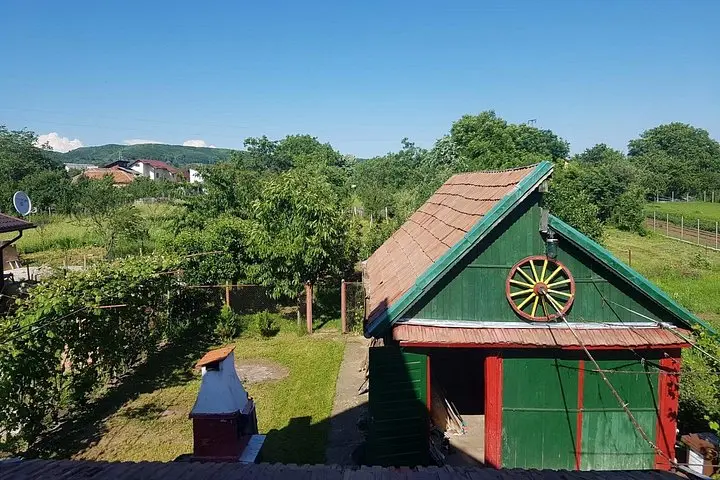
Carved and expanded since the 17th century, the mine sits in Prahova County within a landscape shaped by salt tectonics—thick evaporite deposits folded and uplifted by the Carpathians' slow push. Above ground, narrow country lanes thread through highland villages where painted wood, hand-stitched linens and stacked hay bales describe generations of mountain life.
The day generally runs 8–10 hours from Bucharest, combining museum-style explanation inside the mine with guided walks and stops in living villages where hosts demonstrate food, craft and household traditions. Expect flat, paved paths and stair access inside the mine; the interior’s microclimate holds a constant cool temperature and stable pressure year-round.
Practical edge: bring a light jacket for the mine, comfortable shoes for village paths, and a camera for low-light interiors and roadside panoramas. The tour usually provides bottled water and transport; it’s wheelchair- and stroller-accessible in several areas, but check specific mobility needs ahead of booking. Start early to maximize the time in villages and leave room to stop for local snacks—cheeses, smoked meats and honey that still taste of the high pastures. This is a cultural-geo day that balances quiet subterranean awe with the measured rhythms of Carpathian village life.
The tour listing indicates admission for the main salt-mine visit is included; confirm the exact entry points with your operator at booking.
The tour runs approximately 8–10 hours and typically departs from Bucharest with pick-up options—check your booking confirmation for pickup details.
The listing notes wheelchair-accessible transportation and some accessible areas, but access inside older mine sections or village houses may be limited—ask about specific accessibility needs.
Bottled water is provided; village stops offer local food but options may be basic—carry snacks and expect regular restroom stops at village establishments or facilities near the mine.
KPM Romania Tours operates guided outdoor trips and adventures with an emphasis on safety, stewardship, and memorable experiences.
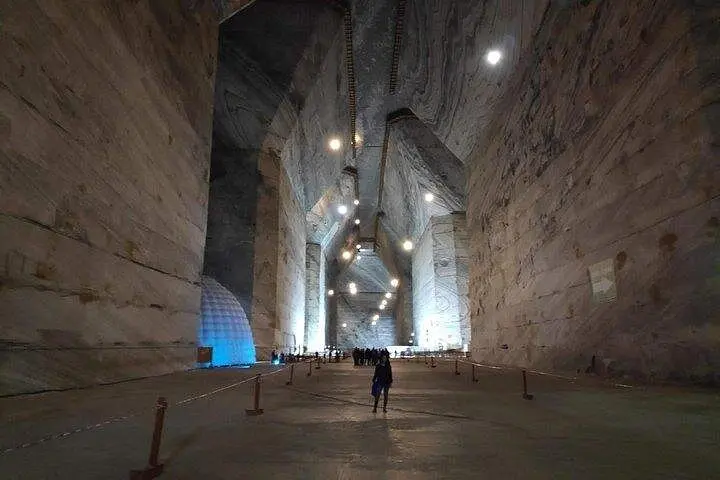
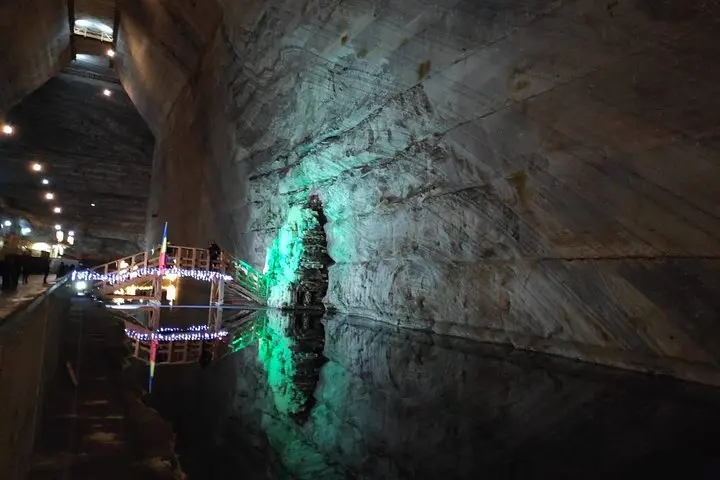
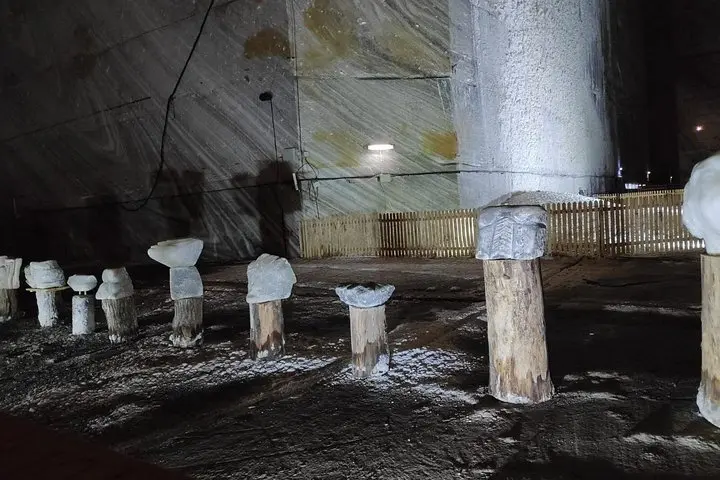
You step off an air-conditioned minivan into a hush that feels engineered: the Slănic salt mine’s two vast caverns hold a steady, cool breath that seems to push out the heat of the day. Salt-faced walls gleam under soft lights; the air carries the faint, mineral tang that has drawn visitors for centuries and, today, claims a reputation as one of Europe’s largest therapeutic sites.
You step off an air-conditioned minivan into a hush that feels engineered: the Slănic salt mine’s two vast caverns hold a steady, cool breath that seems to push out the heat of the day. Salt-faced walls gleam under soft lights; the air carries the faint, mineral tang that has drawn visitors for centuries and, today, claims a reputation as one of Europe’s largest therapeutic sites.
Carved and expanded since the 17th century, the mine sits in Prahova County within a landscape shaped by salt tectonics—thick evaporite deposits folded and uplifted by the Carpathians' slow push. Above ground, narrow country lanes thread through highland villages where painted wood, hand-stitched linens and stacked hay bales describe generations of mountain life.
The day generally runs 8–10 hours from Bucharest, combining museum-style explanation inside the mine with guided walks and stops in living villages where hosts demonstrate food, craft and household traditions. Expect flat, paved paths and stair access inside the mine; the interior’s microclimate holds a constant cool temperature and stable pressure year-round.
Practical edge: bring a light jacket for the mine, comfortable shoes for village paths, and a camera for low-light interiors and roadside panoramas. The tour usually provides bottled water and transport; it’s wheelchair- and stroller-accessible in several areas, but check specific mobility needs ahead of booking. Start early to maximize the time in villages and leave room to stop for local snacks—cheeses, smoked meats and honey that still taste of the high pastures. This is a cultural-geo day that balances quiet subterranean awe with the measured rhythms of Carpathian village life.